Superbugs to the rescue of Bronkhorstspruit Dam
Bronkhorstspruit uses superbug to fight invasive superweed.
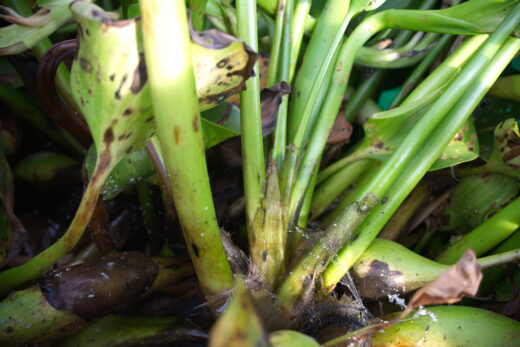
The Megamelus scutellaris or known as the water hyacinth planthopper proves that dynamite does come in small packages.
About 35 000 of these minuscule superbugs have been released every second week since October 2022 by Bronkhorstspruit Catchment Management Forum (BCMF) members and supporters into the Bronkhorstspruit Dam in an attempt to reduce and control the spread of water hyacinth. (Streeknuus reported on this matter in the November 27, 2022, issue).
Water hyacinths are regarded as one of the most invasive and problematic plants worldwide, creating a dense mat of leaves across the water’s surface, hindering sunlight to plants and animals below.
Across many South African dams attempts such as herbicides and mechanical removal have not been impactful enough to curb the growth of these South American aquatic weeds, thus biocontrol agents like these bugs were introduced to help fight the fight.
According to Paddy Waller, the director of BCMF, biological control or biocontrol has been used effectively against invasive species for over 100 years.
ALSO READ: Educator from eMbalenhle faces assault charge
Biocontrol is the use of living organisms, such as insects or pathogens, to control invasive species populations. It levels the playing field by reintroducing some of the specialist natural enemies that help control the invasive species in its native range,” said Waller.
According to him, biological control of water hyacinth offers sustainable, environmental and long-term control. It is the only feasible method to provide some level of control to infestations that cover huge areas, is difficult to access and or do not warrant the high cost of physical or chemical control.
Biocontrol will not eradicate the hyacinths, but with a sufficient population of agents, this invasive plant species can be brought under control.
“The population size of agents required to curb hyacinth is extensive and takes many months, possibly years, which requires that the release programme is a long-term strategy.
“One needs to address the cause of the proliferation of invasive aquatic plants, which means public and private entities need to reduce the level of nutrients entering the river catchments,” said Waller.
ALSO READ: Residents hear suspected cable thieves in open field on outskirts of Secunda
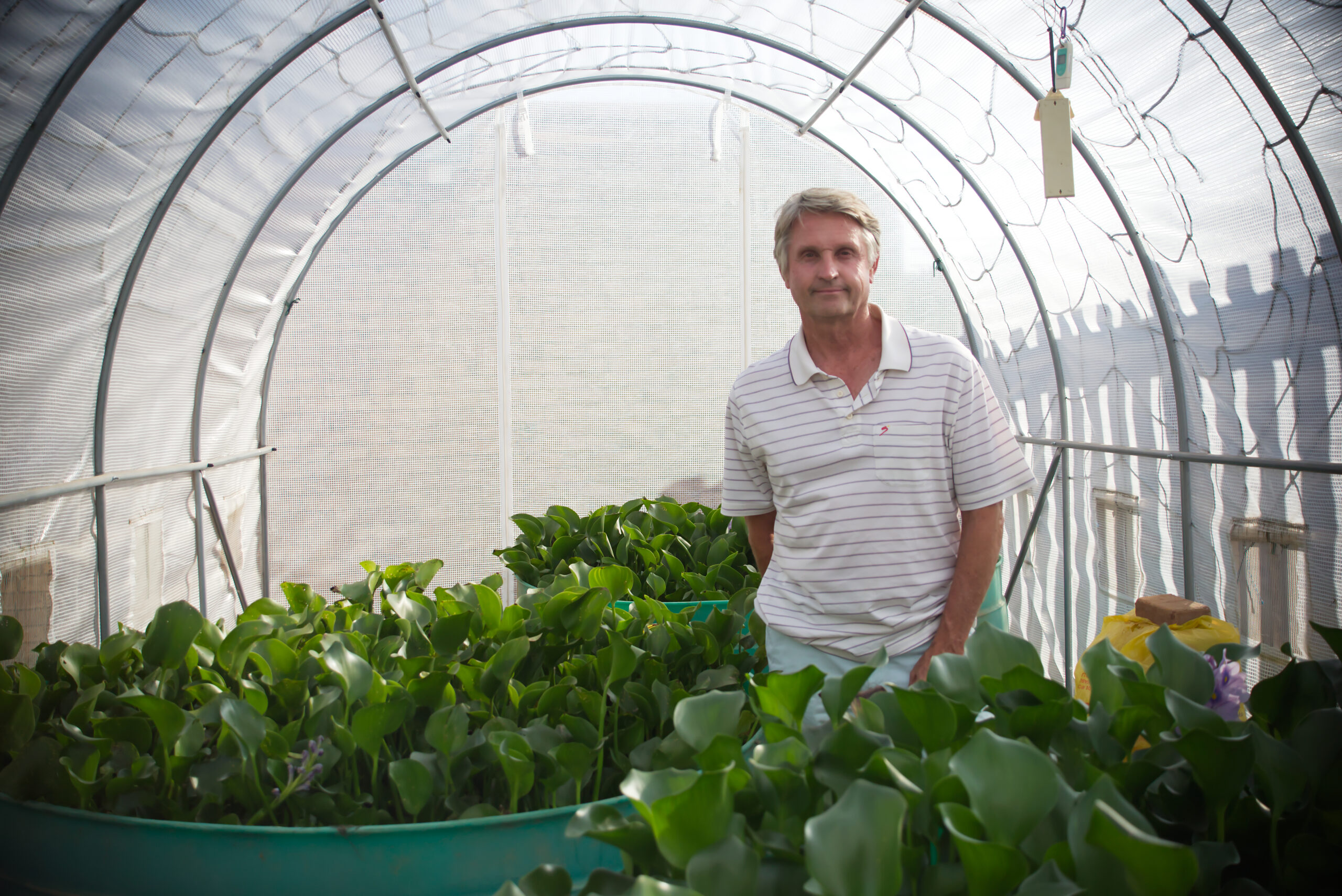
Currently, Bronkhorstspruit has four rearing stations with permits obtained by the government. These consist of a greenhouse tunnel with growing pools/water tanks containing water hyacinth upon which agents are placed and grown. Each station costs around R15 000 to R20 0000 to erect.
“Other costs include labour and consumables to maintain the station, plus the cost of the fuel to travel to various release points in the dam and river,” said Waller.
The water hyacinth planthopper develops from an egg, through five nymphal instars, to an adult solely on water hyacinth and produces multiple overlapping generations per year.
Insects range between 2mm to 4mm in size and come from the insect family of planthoppers.
Their job is to pierce the plant tissue causing cell damage. This reduces the plant buoyancy and leads to the tissue rotting.
“The only snag currently is to see if the insects can survive our harsh winters, especially when frost occurs, killing the leaves and stems of the plant, which eradicates their food source,” said Waller.
The BCMF, one of the main drivers of this initiative, is a non-profit company registered in 2018 and was formed by private citizens to fight the polluters in the Olifants River upper catchment area.
It follows the Department of Water and Sanitation guidelines for river catchment forum operations.
“The BCMF’s role in this is to build partnerships and networks and promote consensus on water management issues surrounding land use in an empowering, democratic and transparent manner,” said Cara Stokes, BCMF chairperson.
Their main focuses are sewage control, alien invasive plants and animals, water abstraction, littering of rivers, heavy metals and silting, herbicides and pesticides, wetland rehabilitation and constructed wetlands.