Pylons fall onto N4, cause power outage in Ward 100 too
Ward councillor says the collapse of these power lines is another example of the devastating impact of scrap metal theft, which has gone unchecked for far too long.
On the morning of April 10, the residents of the City of Tshwane woke up to a widespread power outage in large parts of Pretoria North and East, including the areas around Cullinan.
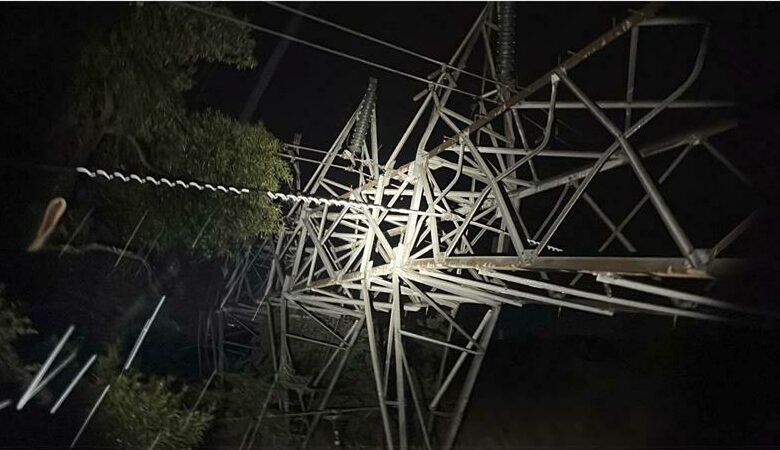
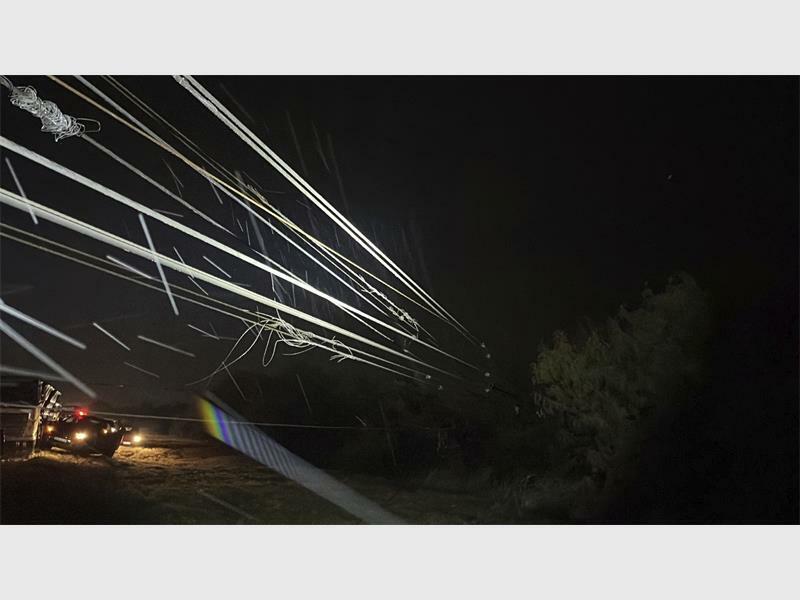
The catastrophic collapse of an Eskom 132kv high-voltage overhead power line between the Solomon Mahlangu and Simon Vermooten off-ramps at about 21:00 on April 9 caused widespread carnage and damage to the N4 highway and Eskom infrastructure.
A sudden storm burst associated with severe winds and heavy rain was initially thought to have caused the structural failure of various electricity pylons, bringing down the high-voltage overhead cables onto the N4.
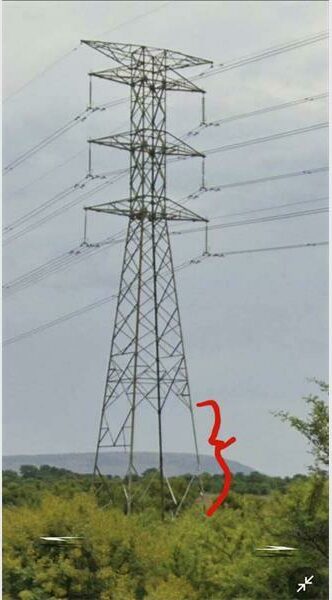
It is believed that three pylons which were vandalised, toppled over and the weight of the cables then caused five more to fall.
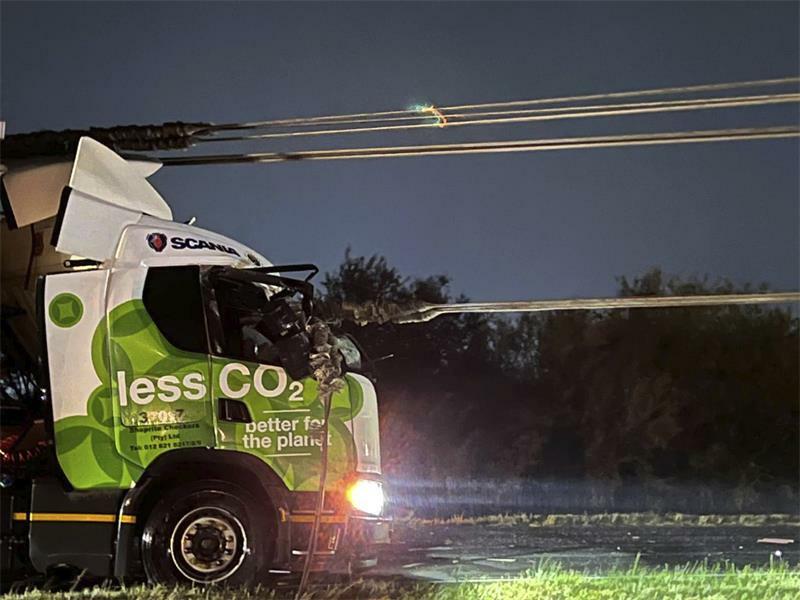
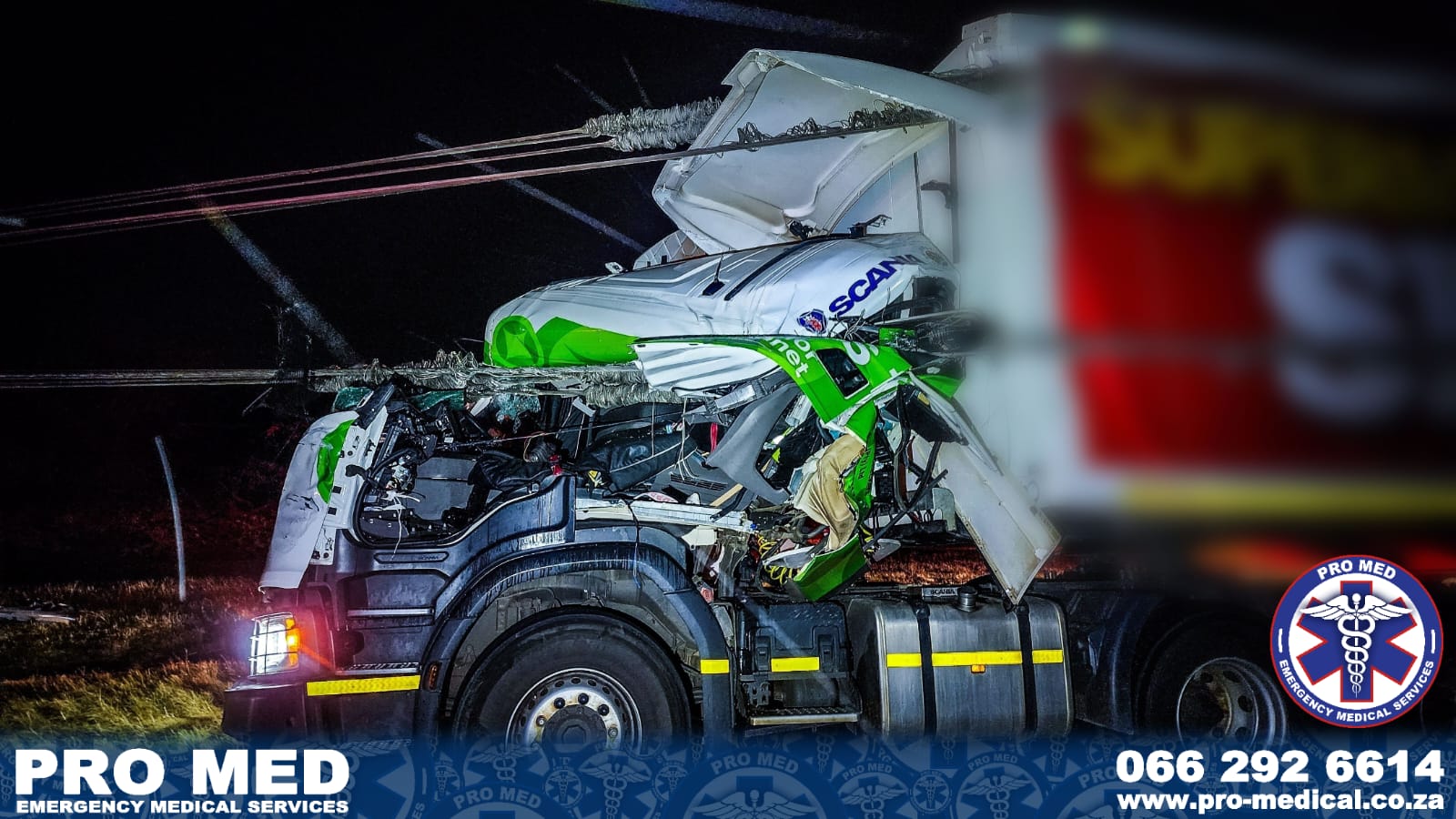
The carnage and debris trapped two heavy trucks and various passing vehicles. The N4 was immediately closed for nearly 24 hours – causing traffic disruptions and mayhem.
People were injured in the incident, but the emergency services and the police were quickly on the scene to assist them. By the time of going to print, the number of casualties and injuries was still unknown.
Meantime, the possibility of power switching is considered to give all affected residents some hours during which they will have access to electricity, but there is no definite time yet of restoration. Eskom, the City of Tshwane personnel and the management were also quick to react.
When we went to print, massive power outages were still experienced in multiple suburbs, with over 2 500 forming part of Ward 100 (714 in Glenway Estate and 2 500 in Mamelodi) and areas such as Donkerhoek.
According to Clr JB Bekker from Cullinan, the City of Tshwane’s electricity teams worked tirelessly to assess the extent of the damage and looked at potential repair options, both for the line as a whole and parts of the network.
This was a major incident because Njala is one of the main infeed substations from a key Eskom power station into the City of Tshwane.
This line takes power from the Njala Substation to various minor substations, from these substations to mini-subs and, ultimately, into your home. Back-feeding from alternative substations made it possible to restore power to some areas.
Experts, officials and the public believe foul play was at work because scrap metal thieves stripped, stole and damaged key structural elements of the pylons – an act that could be seen as sabotage of essential infrastructure.
“Jeopardising and potential collapse of any Eskom power lines due to vandalism, theft and sabotage of Eskom’s electrical infrastructure is a stark reminder of the vulnerability of the country’s power supply.
“South Africa has long been plagued by the scourge of scrap metal theft, which has caused significant damage to infrastructure, including electricity and communication networks.
“The theft of electrical cables, transformers, and other equipment is a notable contributor to power outages and has cost the country billions of rand in repairs and replacements.
“The collapse of the power lines on the N4 highway is another example of the devastating impact of scrap metal theft, which has gone unchecked for far too long.
“The incident also highlights the importance of regular maintenance and inspections of critical infrastructure such as power lines and pylons. Authorities must ensure all critical infrastructure is adequately maintained,” Bekker said.
According to him, the collapsed power lines on the N4 was a tragedy that caused significant damage to infrastructure, injured people and left thousands without electricity.
“The incident is a reminder of the vulnerability of critical infrastructure to criminal activities. It is time for authorities to take urgent action.”
Both sides of the N4 have since been reopened for traffic.
Photos: Pro Med Medical Services