Foreign nationals were warned to comply or pack up in Enyokeni, Standerton
A child in Rooikopen allegedly fell ill from expired items bought at a tuck-shop.
The community of Enyokeni township in Standerton is up in arms, demanding that foreign nationals who own tuck-shops must either comply with the laws of owning a business in South Africa or close shop.
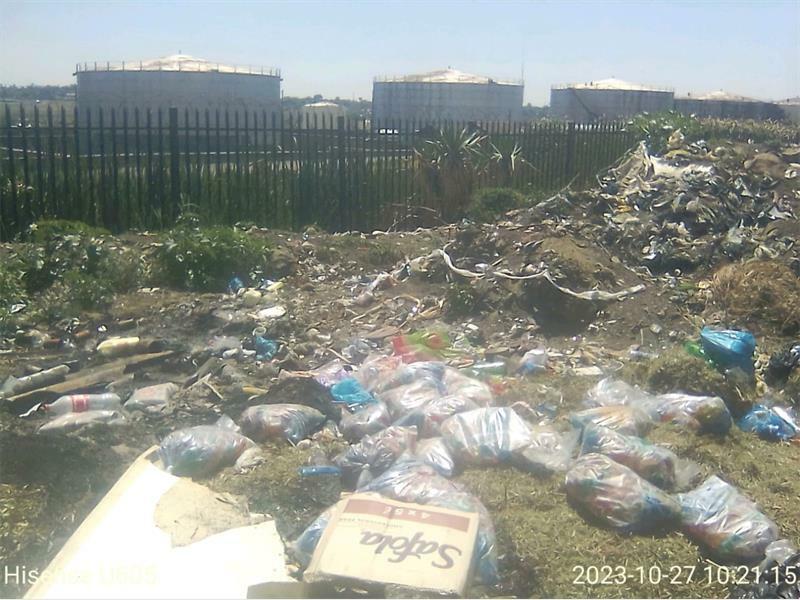
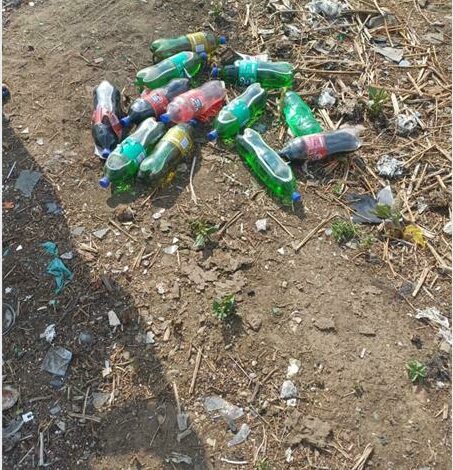
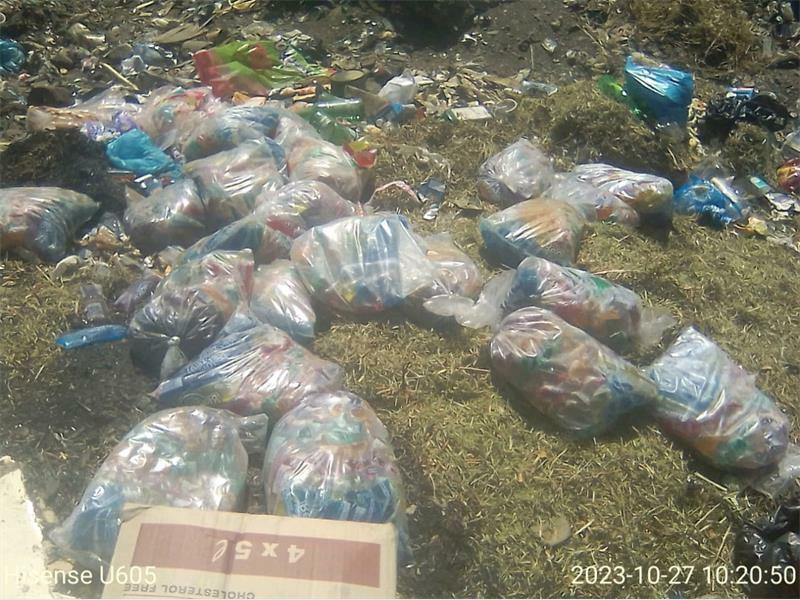
This comes after the community found expired ice lollies, soft drinks, biscuits and edible sweets on a nearby dumping site. This angered the community, as it could endanger the lives of children living in the community.
Community leader Pheelo Moloto told the Standerton Advertiser he received a phone call from a concerned resident who saw a bakkie dumping expired food in a corner of the township.
Moloto says he told the concerned resident to burn the expired food quickly before schools were out, as children could see it and want to eat it.
“We tracked down the bakkie and questioned the driver, who was cagey about information about where the expired food came from,” said Moloto.
He is concerned about the health of children. Local primary school learners recently had runny tummies after they allegedly bought and ate pinkish-looking snacks.
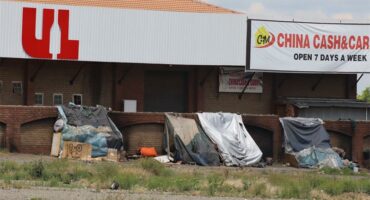
“We have established that Ethiopians own most of the tuck-shops in our township. We believe this is a sort of cartel. In the CBD, Pakistani nationals own the shops,” said a disgruntled Moloto.
He said the residents gave the foreign nationals a month to do things right.
“We don’t want to loot or resort to violence as we are working with law enforcement to help us with this crisis that continues to plague communities in the country,” added Moloto.
He claims a child in Rooikopen allegedly fell ill from expired items bought at a tuck-shop.

“They rushed the child to hospital and we are awaiting lab results to determine what caused the child to be sick. The tuck-shop has been closed.
Moloto told the Standerton Advertiser the community is angry that children’s lives are in danger, yet trade at tuck-shops continues without being monitored.
He said many of the tuck-shops are unhygienic as some owners sleep in their shops and have toilets inside.
“We have consulted with health inspectors to help with the mess in which we find our townships. They have not heard our cries and do not take us seriously.”
Moloto agreed that having tuck-shops within the community helps the residents, but they want the owners to sell products that will not make their customers ill. According to Moloto, some items sold at the tuck-shops are counterfeit brands or self-manufactured.
ALSO CHECK: MEC promises to investigate injuries to young mother from eMzinoni
He pointed out that razor blades from a certain brand bought from a specific foreigner look similar to the ones he usually buys at the supermarket, but looking close up, you can see the differences.
“The ones sold at the tuck-shop are fake,” claimed Moloto.
He said the tuck-shop owners received an ultimatum to mend their ways. Moloto pleaded with the community to abstain from violence and xenophobia, as there are peaceful ways to address the problem.
“We want to be reasonable and invite Home Affairs, law enforcement and health inspectors to step in. The leaders in the township are calling for calm, but the attitude of the culprits is not helping to defuse the situation,” concluded Moloto.
There has been a nationwide outcry and allegations of the sale of expired food at different tuck-shops around the country.
Home Affairs minister Aaron Motsoaledi recently called an audit on all foreign tuck-shops and condemned owners not complying with the Occupational Health and Safety Act.
The deaths of children in Soweto and the West Rand have cast the spotlight on the dangers of the continued sale or consumption of counterfeit goods.
A similar incident also happened closer to home in one of Standerton’s neighbouring towns, eMbalenhle, a year ago.
Thato Makofane (9) and her big brother Keamoketswe Makofane (13) mysteriously died within a short time of each other after they shared a packet of instant noodles for breakfast on November 9 last year.
The forensic results showed the siblings died from Terbufos poisoning. Terbufos is a chemical compound used in insecticides and nematicides.
It is part of the chemical family of organophosphates and is a clear, colourless pale-yellow or reddish-brown liquid sold commercially as granules.
No one has yet been held liable for the children’s deaths, but their mother had told Standerton Advertiser’s sister newspaper, Ridge Times, the noodles were of a specific brand bought at a tuck-shop the morning of their deaths.
According to Tax Justice South Africa and the SA Revenue Service, this industry has cost the country billions of Rands.