DWS encourages wise water use as water levels continue downward trend
Grootdraai Dam decreased from 99.6% to 99.4%.
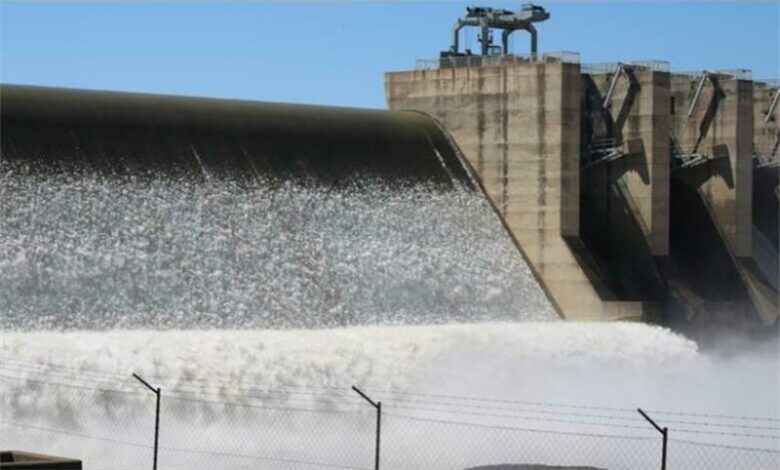
The Department of Water and Sanitation (DWS) encourages the public to use water wisely and sparingly as water levels continue to drop in Mpumalanga.
According to spokesperson Themba Khoza, the downward trend is cause for concern, especially as the province is in the dry winter season. The DWS therefore calls for intensified water conservation.
The latest DWS weekly State of Reservoirs report released on June 15 shows that water levels continue to drop in the listed dams and Water Management Areas (WMA) of Mpumalanga.
According to the report, the average water levels in the listed dams slightly dropped from 99.7% to 99.6%. In the water management areas, the Limpopo-Olifants WMA slightly dropped from 101.3% to 101.2%, and the Inkomati-Usuthu WMA also recorded a slight decline from 99.3% to 99.2%.
In terms of water levels in the three districts of the province, Ehlanzeni remained unchanged at 100.5% while Gert Sibande and Nkangala recorded declines from 98.9% to 98.6% and from 100.5% to 100.4%, respectively.
Only two listed dams recorded some improvements in water levels in the province. Driekoppies Dam in Ehlanzeni District slightly increased from 100.5% to 100.6%, and Nooitgedacht Dam in Gert Sibande District increased from 100.1% to 100.3%.
Most of the listed dams in the Gert Sibande District recorded declines in water levels, except for Nooitgedacht Dam, which slightly increased from 100.1% to 100.3%.
The dams which dropped in water levels include Grootdraai from 99.6% to 99.4%, Vygeboom from 100.5% to 100.3%, Jericho from 97.2% to 96.3%, Westoe from 74.4% to 72.9%, Morgenstond from 99.8% to 99.6%, and Heyshope from 101.1% to 101.0%.
The Lowveld and Ehlanzeni District recorded an equal split between dams, which recorded declines and those which remained unchanged in water levels. The only exception being Driekoppies Dam, which recorded a slight improvement from 100.5% to 100.6%. All the listed dams are still above 100%.
Dams which recorded unchanged levels include Kwena at 100.6%, Witklip at 100.4%, Da Gama at 100.3%, Inyaka at 100.1%, and Klipkopjes at 100.2%.
The listed dams which recorded declines in water levels, include Blyderivierpoort dropping from 100.8% to 100.7%, Buffelskloof from 100.5% to 100.3%, Longmere from 101.1% to 100.2%, Primkop from 101.3% to 100.6%, and Ohrigstad from 100.1% to 100.0%.
It was a mixed batch in the Nkangala District, with Witbank Dam increasing from 99.4% to 99.7% and Rhenosterkop Dam dropping from 100.7% to 100.5%. Middelburg and Loskop dams remained unchanged at 98.5% and 100.9%, respectively.
The department reminds all water users that South Africa is a water-scarce country and that long-term water security depends on the collective commitment to using water responsibly and efficiently.
Every litre saved today helps to protect scarce water resources and secure water availability for future generations.
The department therefore urges all water users to actively participate in water conservation initiatives and play their part by using water sparingly, promptly repairing leaks on their properties, and reporting burst pipes and water losses on municipal bulk infrastructure to the relevant water services authorities.
Through responsible water use and active water conservation efforts, communities can also help safeguard the sustainability of vital water resources.