Keep your children safe during the Covid-19 pandemic
Help your children articulate how they feel. Are they experiencing headaches? Dizziness? Trouble sleeping? You want them to feel safe and confident enough to open up the moment something doesn't feel right.
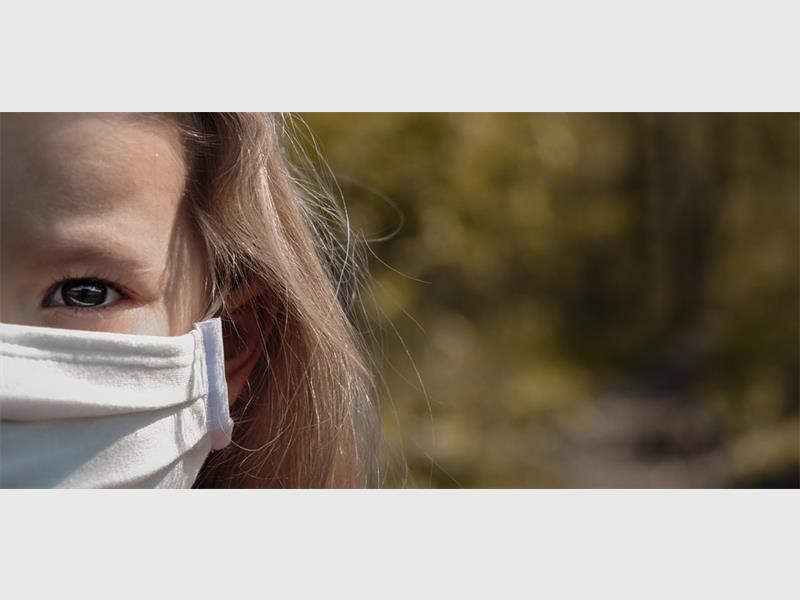
These are challenging times – and not just for adults. Children are also affected.
Here are eight ways to help your children adapt to our new normal, safely. The Covid-19 pandemic, and the national lockdown that aims to reduce the spread of coronavirus disease, is a tricky period to navigate, especially for parents of young children. Face masks, social distancing, frequent hand-washing: these new and essential health and safety measures are anything but child-friendly.
“Covid-19 is a sneaky disease in that it spreads by taking advantage of things we do naturally, many times a day,” said Aline Hall, Clinical Quality Specialist: Mother & Child at Mediclinic Southern Africa.
“Touching our faces and each other, coughing or sneezing without covering our mouths and noses – we do these things without knowing it. Now we must think before we act.? Talk to your children before assuming they will adapt to this new reality. Teaching your children why it’s so important to wash their hands, for example, or why they need to wear and look after their masks at all times, starts with explaining how this virus spreads from person to person and gets into your body.”
Covid-19 is spread through droplets – being in close contact with an infected person who is coughing or sneezing; or through contact, touching a surface that is contaminated and then touching your face, specifically your eyes, nose or mouth. Communication is everything, says Hall.
“Empower and encourage your children to discuss with you how their school is adapting to the new cleaning and social-distancing regulations, or if their friends are wearing or not wearing masks. This will help you to help them understand their risk. This will also help them, and you, to pick up on any early warning signs.
Help them articulate how they feel. Are they experiencing headaches? Dizziness? Trouble sleeping? You want them to feel safe and confident enough to open up the moment something doesn’t feel right.
Here are a few practical tips to reduce your risk:
- Wash hands regularly with soap and water.
- Do not touch your face, eyes, nose and mouth – even if you are wearing a mask.
- Always wash or sanitize your hands before putting on your mask and after you have removed it to prevent contaminating it.
- Never touch the inside of the mask.
- If you use public transport, keep the seats on either side of you empty, if at all possible.
- Open the windows when you are sitting in a taxi or bus – good ventilation reduces the risk of infection if other people are coughing or sneezing.
- Try to maintain a distance of at least 1,5m between yourself and the next person.
- Any mask you wear should be washed daily with soap and water. Remember to wash your hands after washing the mask. Masks should never be shared.
A new way of living requires a new way of talking about our health and safety, and Hall concluded, “If you help your children stick to healthy hygiene habits and teach them how safety measures keep them safe from germs, you can empower them to take charge of a healthier future.”