Tips for parents to know when to call for emergency assistance
Children under the age of five are at particular risk for injuries, but all age groups are at risk.
It is vitally important for parents and caregivers to familiarise themselves and know when to call for professional assistance in life-threating situations.
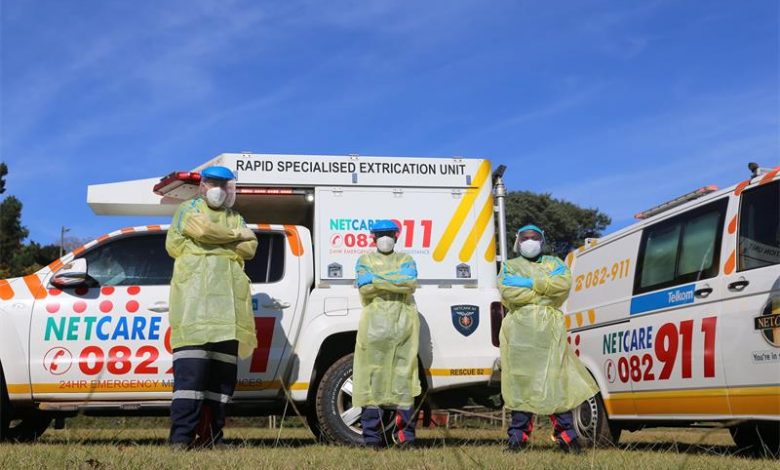
According to Netcare 911 Emergency Rescue Service, if a child is not breathing, start cardiopulmonary resuscitation (CPR) immediately and get someone to call emergency services.
If you’re alone, take your child with you to the phone – don’t leave her alone, and don’t even consider driving the child anywhere as you can’t drive and do CPR at the same time.
When to call for help:
• If your child is in great pain, call an ambulance and get your child assessed by a doctor as soon as possible.
• If there’s any chance of a spinal or neck injury, don’t move your child; paramedics are equipped to immobilise and transport your child.
• If you’re in a panic or your child is hysterical, rather let the paramedics come to you.
Children under the age of five are at particular risk for injuries, but all age groups are at risk.
Statistically, more boys than girls die from injuries, the most sustained in traffic accidents. Drowning, burns, falls and poisoning are also on the list.
Not surprisingly, young children sustain most of the injuries in or around their homes.
These are easy steps to help prevent this from happening:
• Many serious injuries can be prevented if parents or caregivers supervise children properly and keep their environments acceptably safe.
• Young children are at risk on or near roads; children should not play on or near the road, and should always have someone older with them when they are near or crossing a road.
• Wearing a helmet when on a bicycle, motorcycle or quad bike is non-negotiable, and especially for your children.
Children must be securely strapped into an age-appropriate child restraint seat when being transported in a vehicle.
• Children can drown in less than two minutes and in a very small amount of water, even in a bathtub. Never leave them alone in or near water.
• Burns can be prevented by keeping children away from fires, cooking stoves, hot liquids and hot foods.
• Falls are a major cause of injury for little ones. Stairs, balconies, roofs, windows, and play and sleeping areas should be made safe by using barriers with safe vertical bars to protect children from falling.
• Medicines, poisons, insecticides, bleach, acids and liquid fertilisers and fuels (like paraffin), should be stored out of children’s sight and reach.
• Young children like to put things in their mouths, so to prevent choking, small objects, such as coins, nuts and buttons should be kept out of their reach.