Being a furry parent 101
Your pet's well-being relies on more than just cuddles. Diet, regular check-ups and safety should never be an afterthought
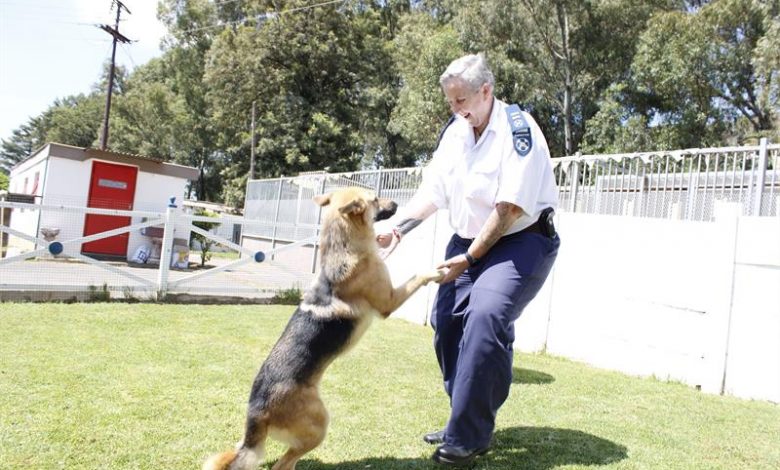
South Africans love their pets. The booming luxury pets-goods industry is more than enough evidence to show that people in this country spoil and treat their pets as members of their families. However, when the pandemic hit, many of those pet owners had no other choice but to surrender their beloved fur babies to rescue centres. Animal shelters are overwhelmed by unwanted or abandoned animals; with that said, whether you are a new fur parent or fostering, the health and well-being of your pet can be improved with a few adjustments.
Even though most pets have fur or feathers, they still get cold during the winter months. Manager of the Roodepoort/ Krugersdorp SPCA, Mandy Cattanach said different breeds react differently to the cold. “A Husky would like the cold, but a Chinese Crested would freeze. Pets should be allowed to sleep inside, summer and winter. During winter short-hair dog would appreciate comfortable well-fitting jerseys. But do not leave the same jersey on for the entire winter,” she explained. “Take off the jersey during the day when it is warm, wash it often and make sure it is not rubbing on any part of your dog’s body.”
Pets that are kept outside require warm kennels or places to sleep. Rabbits, for instance, should be placed in enclosed warm areas, and they need straw to keep themselves warm. Mandy said outside aviaries should have screens which are closed at night to protect birds from the cold.
Karin Donald, owner of Kitti Kazz Kitten rescue in Muldersdrift, echoed Mandy’s sentiments. She said just as humans get the flue or common cold in winter, so do cats and kittens. “In cats it’s called Feline Herpes Virus (FHV) or snuffles. Most cats carry the virus in the nerve cells but not all cats develop symptoms of this upper-respiratory infection. FHV can be transmitted to other animals or to humans, and is highly contagious to other cats.” She revealed that triggers that set off the virus include stressful situations such as travelling, illness or any changes to their normal environment, “… or simply just by being cold”.
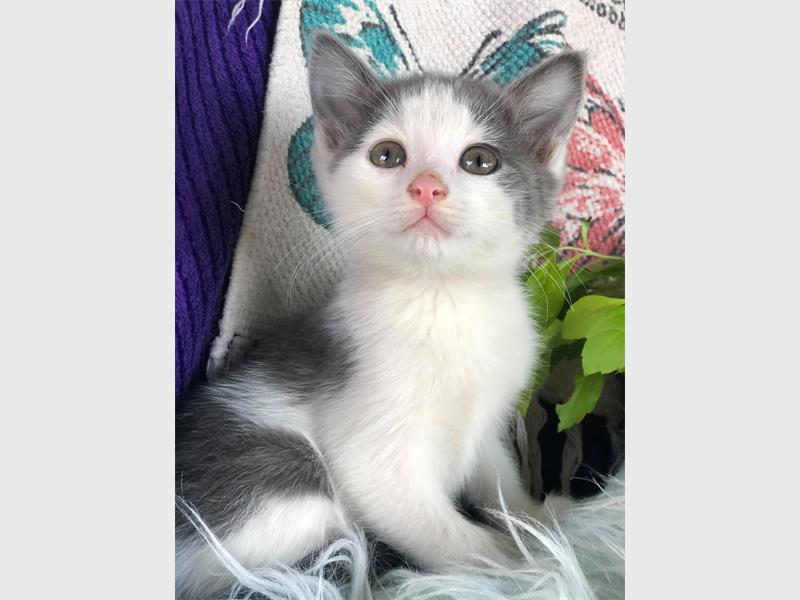
According to Karin, adding colloidal silver liquid in the cats’ water bowls helps keep them healthy throughout the year. Crushed lysine tablets mixed into their food are also amazing products that helps prevent illness. “Snuffles can be easily treated by a vet with antibiotics. It should never be left untreated. It can be fatal in kittens,” she advised.
Many of us have heard the phrase ‘adopt, don’t shop’ in reference to pet ownership. That’s because many animals are often bred to be sold or to be used in dog fights. Rescue centres often have volunteers that can foster animals temporarily until they can be re-homed. Adoption means welcoming a furry family member into your home. Karin said, “We do not support breeders as we are the ones who have to look after all the unwanted or abandoned animals in the streets”.
Whether you are fostering or have just adopted, your pet’s diet relies heavily on you. If your pet is doing well on a specific brand of food, do not change it. Ensure that they are eating the right food for their age. “Puppies need puppy food. Don’t feed your dog maize meal or bones, as these cause health problems. Cats need a well-balanced diet. Birds must be given a variety of food, not just sunflower seeds,” Mandy said.
Ultimately, pets need a lot of love, care and attention. Puppies need to be trained and taken outside regularly, whereas kittens need a litter tray.