From rural beginnings to specialised medicine
Dr Simphiwe Mandlesilo, a neurologist at Life Flora Hospital, shares his story of resilience, dedication and achievement.
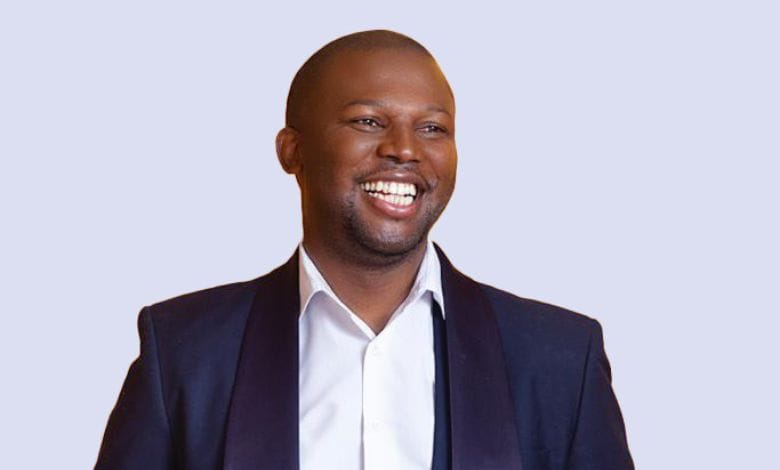
With every patient treated and every life improved, neurologist specialist Dr Simphiwe Mandlesilo has beaten all odds to realise his dream.
Hailing from Bizana, a small rural town in the Eastern Cape, Dr Mandlesilo says his journey to becoming one of South Africa’s few black neurologists was worth the weight in gold. He says his lack of resources did not deter him from achieving his goals.
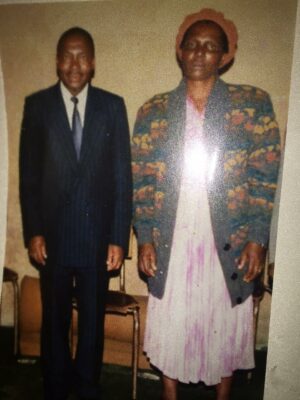
“I grew up in extreme poverty in a family of eight. My dad was a pastor. Back in the day, as a child, you had to find your way out of things. There were no resources, few role models or even support,” he reflects.

“However, I always dreamt of being a doctor. The socioeconomic issues in my town did not stand in my way, and what was a game changer for me was the teachers that we had. They would always plant good seeds in us.
“I fell in love with neurology when I first studied the nervous system in high school. Neurology is a rare speciality with few doctors in South Africa, and there are even fewer black neurologists. I knew that giving my all to my schoolwork was the only way I would achieve my dreams,” he says.
At the age of 16, Dr Mandlesilo matriculated with exceptional marks that earned him a bursary from the Eastern Cape Department of Health to study medicine in Cuba.
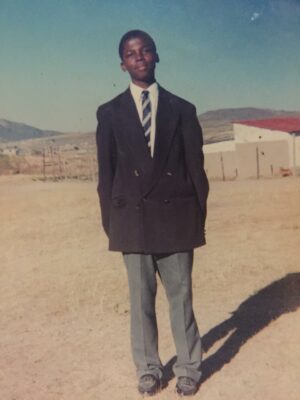
“I was only 17 years old when I left for Cuba in 2000, where I stayed for six years. Being in a foreign country was not easy, especially because I had to study medicine in Spanish,” he said.
He claimed that the Cuban people’s generosity made him feel welcome. He returned to South Africa in 2007 and attended the University of Cape Town for two more years.
“I only qualified as a doctor in 2009. I then had to do two years internship, a year of community service, and complete my Masters at the University of Witwatersrand alongside my fellowship of four years.”
According to Dr Mandlesilo, securing a position as a neurologist proved to be a significant challenge. However, his unwavering determination and perseverance ultimately paid off, enabling him to begin training in neurology in 2015.
Dr Mandlesilo’s practice is at Life Flora Hospital. He finds immense joy in witnessing patients regain their independence, walking out of the hospital with smiles on their faces after overcoming paralysis.
Difference between neurologists and neurosurgeons
People often confuse the difference between neurologists and neurosurgeons. Dr Mandlesilo says even though the two are quite related and work hand in hand, there’s still a difference.
“The main difference between a neurologist and a neurosurgeon is that neurologists diagnose and manage nervous system conditions without surgery, while neurosurgeons treat them with surgery and other therapies.”
He says brain conditions that a neurologist would treat would be strokes, epilepsy, chronic headaches, brain tumours and infections, just to name a few. After consulting with a patient, a neurologist would then refer them to neurosurgeons for surgery if required.
When to consult a neurologist
You should consult a neurologist when you or your loved one experiences any problems related to the nervous system. The ideal way is to first consult a general practitioner and then get a referral. Common symptoms would be chronic headaches, movement or mobility problems, epilepsy, seizures, vision problems, numbness, dizziness, etc.
World Stroke Day: Dr Mandlesilo urges swift action and prevention
October 29 marked World Stroke Day, a global awareness campaign aimed at reducing the devastating impact of stroke. Dr Mandlesilo emphasises the importance of swift action and prevention in combating this debilitating condition.
He stresses the crucial role of the ‘fast’ method in identifying stroke symptoms:
• Face: Ask the person to smile or show their teeth. Is one side of their face drooping?
• Arm: Have them close their eyes and hold their arms out for 10 seconds. Does one arm drift?
• Speech: Repeat any sentence. Is their speech slurred, or are they using the wrong words or unable to speak?
• Time: Get to the nearest emergency unit immediately if you observe any of these symptoms
To reduce the risk of stroke, Dr Mandlesilo recommends the following preventative measures:
• exercise regularly
• don’t smoke
• eat a balanced diet
• take medications as directed
• know your risks
Common risk factors include:
• high blood pressure
• smoking
• obesity
• high cholesterol
• harmful use of alcohol
• stress
• diabetes
His life outside of work

Beyond his medical accomplishments, Dr Mandlesilo is a devoted family man who cherishes time with his loved ones.
“I enjoy spending time with my family indoors,” he shares.
Dr Mandlesilo is also a pastor, currently running a church. He is furthering his theological studies at the University of North West and is the author of a book called Confessions of a Pastor’s Kid.