10 Key benefits of dry ice cleaning for substation equipment
Discover how dry ice cleaning enables substations to maintain efficiently, safely, and sustainably—boosting reliability while cutting downtime and risks.
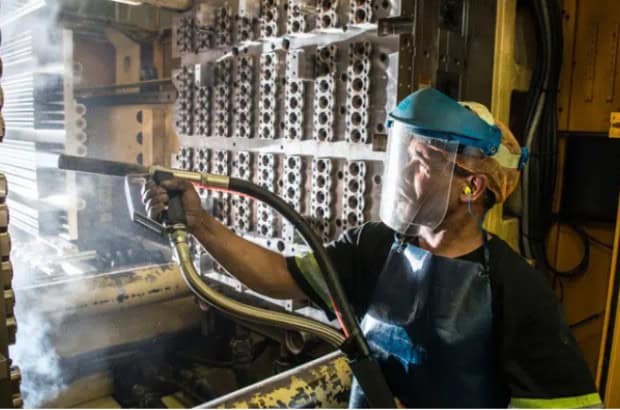
Keeping substation equipment clean is a critical step in protecting performance, extending asset life, and preventing costly outages. As South Africa’s power demand grows while infrastructure ages, utilities and private operators are looking for more efficient ways to maintain essential components.
Dry ice cleaning is a powerful solution, offering a modern approach that reshapes how substations manage contamination, corrosion, and downtime.
1. Non-abrasive cleaning that protects sensitive components
Dry ice blasting lifts grime without scraping surfaces, allowing teams to clean insulators, breakers, and switches without risking mechanical wear. It’s a gentle process that protects coatings and reduces the likelihood of micro-damage that often accumulates with harsher methods.
2. No moisture introduced
Substations and water simply do not mix. Dry ice sublimates on impact, moving from solid to gas without leaving moisture behind. This makes cleaning electrical equipment much safer while minimising the risk of flashovers caused by residual dampness.
3. Reduced downtime
Because equipment often stays in place during dry ice blasting, crews move faster while avoiding lengthy shutdown procedures. Substations can return to service in a shorter time, which supports grid reliability and keeps industrial operations running smoothly.
4. Superior contaminant removal
Dry ice reaches stubborn pollutants such as carbonised dust, grease, and oil films that typically cling to conductor hardware and insulators. As the pellets hit the surface, they create micro-explosions that lift contaminants while preserving the underlying material.
5. Environmentally friendly
In addition to eliminating chemical solvents, dry ice cleaning leaves no secondary waste. The CO₂ used is often captured from industrial processes, which means the method supports sustainability initiatives while keeping disposal requirements minimal.
6. Improved safety for maintenance teams
Crews work with a process that requires no toxic chemicals, reduces contact with live equipment when used during controlled outages, and lowers exposure to airborne particulates. The result is a safer working environment along with easier compliance with safety standards.
7. Better insulation performance
Clean insulators shed contamination more effectively, which lowers leakage currents and reduces the risk of flashovers during wet or dusty conditions. For substations in rural, coastal, or industrial areas, this extra level of protection strengthens long-term reliability.
8. Extends equipment lifespan
Removing pollutants that trap heat or accelerate corrosion allows assets to work closer to their intended operating conditions. Substation components run cooler and more efficiently, which helps extend service life while delaying expensive replacements.
9. Precise cleaning for complex geometries
Dry ice can access tight corners, complex busbar arrangements, and areas where brushes or cloths can’t reach. This precision supports thorough maintenance in substations with dense configurations or older layouts that demand extra care.
10. More affordable over time
While the initial investment may seem higher than traditional cng, tleanihe long-term savings stack up. Operators cut downtime, reduce wear, limit waste handling, and prevent failures that typically lead to costly repairs or power outages.
Final Thoughts
Dry ice cleaning is reshaping how South African substations maintain the backbone of the grid. It blends efficiency with safety while offering a smart, future-focused way to care for critical infrastructure.
For operators looking to strengthen performance and reliability, it offers a compelling path forward.