100 ROSA robotic assisted knee replacements reached
"The technology allows for greater precision in matching the patient's natural balance of the knee, assisting in the restoration of each patient's own unique alignment between the knee, hips, and ankles, which is essential to their comfort and mobility."
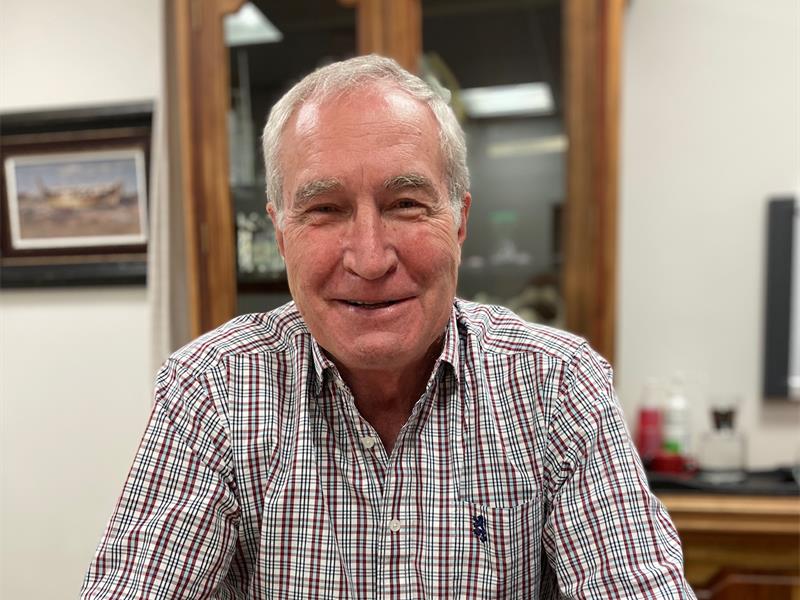
On Wednesday, November 2 Dr Pieter Botha, an orthopaedic surgeon at Netcare Pinehaven Hospital, completed his 100th robotic assisted knee replacement.
To date, accredited orthopaedic surgeons at the hospital have performed 156 robotic assisted knee replacements using the cutting-edge ROSA surgical system. The hospital is the first in Africa to complete this many knee replacements using ROSA technology.
Dr. Botha explained that while using the robotic system, the surgeon maintains complete control at all times. The system serves as an assistant, providing objective data about the patient’s unique anatomy to assist the surgeon in making decisions during the procedure.
“The technology allows for greater precision in matching the patient’s natural balance of the knee, assisting in the restoration of each patient’s own unique alignment between the knee, hips, and ankles, which is essential to their comfort and mobility.”
“The experience that Dr Botha and his team have already gained in this advanced knee replacement surgery option is an asset to our patients,” said Constance Majeke, general manager of Netcare Pinehaven Hospital, “and a growing number of ROSA robotic assisted procedures have been performed at the hospital by fellow orthopaedic surgeons Dr Attie Cloete and Dr Graeme Davis.”
3D precision alignment
“A joint is a dynamic mechanical system, and when performing a knee replacement, very careful alignment is required to allow for range of motion as well as knee balance. Even the most experienced surgeons will occasionally see small deviations from the intended alignment, and the software in the robotic assisted ROSA system helps to reduce this margin even further,” he explained.
Another advantage of the system is that no MRI or other preoperative imaging is required. The surgeon maps the anatomical landmarks of the knee using the system’s stylus, and this data, along with hip and ankle movements, assists the surgeon in planning and performing a personalised procedure for each individual.
“Correct alignment and balance can improve recovery times and is associated with improved patient reported outcome measurements (PROM) around the world. Physiotherapy and occupational therapy are critical after a knee replacement to improve surgical outcomes.”
The team strives to provide the best possible experience and clinical outcome for each patient, from making an informed decision about the procedure and preparing for the operation, to post-operative therapy, information sharing, and outcomes measurement to track progress and recovery.
“This ongoing programme is collecting local anonymized clinical data and contributing to the ever-expanding body of international research to support and improve outcomes for knee replacement patients worldwide, including those who undergo surgery with robotic assisted technology,” Dr. Botha added.
“We would like to thank Drs Botha, Cloete, and Davis for completing the rigorous training required to gain accreditation to offer robotic assisted surgery at Netcare Pinehaven Hospital. This expands the options for patients in the West Rand and further afield who require knee replacements,” Majeke concluded.