Sewage destroying Kloofendal ecosystem
The replacement of sewerage system in then Kloofendal Nature Reserve is at least 20 years overdue.
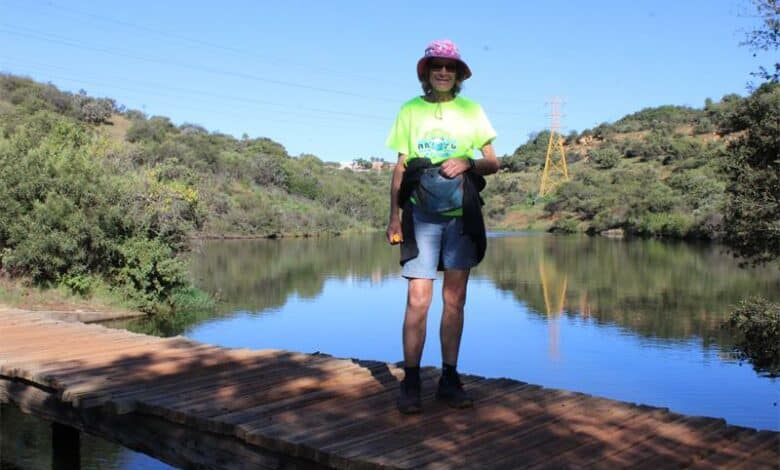
A relaxing stroll through the Kloofendal Nature Reserve loses its charm abruptly when one approaches the dam, and the overwhelming stench of raw sewage assaults the senses.
It is no secret that the sewerage system, which runs through the reserve, is past its shelf life, as admitted by Johannesburg Water.
Also read: Ongoing sewer problems plague Kloofendal Nature Reserve
The Roodepoort Record visited the dam on April 10 with Friends of Kloofendal (FRoK) committee member Karin Spottiswoode, who revealed that, after years of nearly weekly sewage spillages, the dam, which should be the centre of life for the local wildlife, is eerily quiet.
“All the sewage ends up in the dam,” says Karin, adding that, due to the recent heavy rains, the smell – eye-watering as it is – is much less than it was.
The small herd of mountain reedbuck that call the reserve home have long ago opted to stop watering at the dam, rather making use of a stream further up. Bird life is limited mostly to insect-eaters, which find more than enough sustenance in the abundance of flies and other insects that call the dam home.
A terrapin, known for its preference for brackish water, swims about lazily, while three others bask on a rock at the water’s edge. It is frankly surprising that anything manages to survive in the dam.
Also read: Concern over Reedbuck deaths at Kloofendal
Questions regarding the frequent sewage spills and the state of the sewerage sent by the Record to Johannesburg Water communications officer, Nolwazi Dhlamini, weeks ago, remain unanswered.
While the FRoK acknowledges that Johannesburg Water generally adheres to its 48-hour response times for reported blockages, the buildup of contamination in the dam is a concern, threatening the ecosystems both in the dam and downstream of it.
Roodekrans Neighbourhood Watch chairperson Andreas Oberlechner, who is well-known for his ongoing battle to protect waterways throughout the West Rand, says that while the entity does what it can, the budget required to replace the infrastructure, which is at least 20 years overdue, is simply not available.
“The situation is becoming more dire by the day,” he says, adding that soon, even the temporary fixes employed by Johannesburg Water will likely become irrelevant, as the system moves closer to being completely overwhelmed.