Baby beggars at intersections: Don’t give them money
More and more women are begging at intersections with babies in their arms.

“The only way to stop people from using children to garner sympathy while begging at traffic lights is to stop giving them money.”
This, according to Honeydew CPF chairperson Jon Rosenberg in response to a complaint from a Little Falls resident during the CPF Sector 3 public engagement event on June 11.
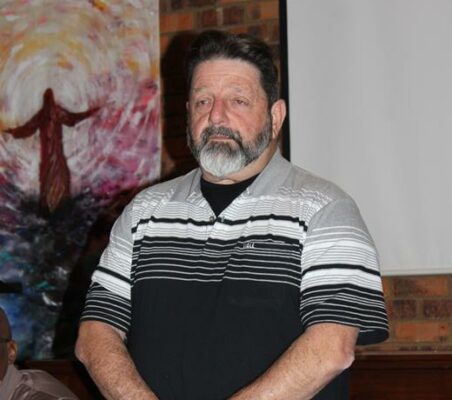
Rosenberg admits that his comment may not be popular, but insists it is the only way.
“I agree that begging with a child on a street corner all day amounts to child abuse,” he says.
“Unfortunately, the reality is that these people would not be begging at the traffic lights if it were not worth their while. People are giving them food and money, and thus they are encouraged to return, child in tow, day after day.”
“This is a city-wide problem,” says JMPD’s Superintendent Cedric Lehonono, adding that it seems to be a racket, where people are, in most cases, being paid to beg at traffic lights with children.
“We do intervene where we can,” he says. “These people are mostly foreigners.
Also read: Vagrancy fuels crime in Northside
“The biggest problem we face is that, when we remove a displaced person from the streets, we are obliged by law to place them in housing.
“In most cases, we’ll take them to a state-run shelter where they have access to social workers, counselling, food, hot showers, and warm beds. These facilities also have rules.
“It is completely voluntary; thus, we cannot compel them to remain at the shelter. In most cases, they opt not to stay, and you are likely to find the person begging at the same spot again the next day.”
Honeydew police’s operational manager Lieutenant Colonel Andrè Lamprecht voiced his agreement, adding that the shelters often have very limited capacity.
Also read: Street cleanup to combat crime
“We take the men to Dan Street Shelter for Men in Florida, and the women and children to a facility in Hillbrow.”
Roseberg adds that the CPF, police, JMPD, and Home Affairs conduct operations from time to time aimed at moving displaced persons off the streets and into shelters.
“Unfortunately, the success rate is quite low,” he concludes.