Scorpion sting course equips participants with lifesaving knowledge
Expert Jonathan Leeming busts myths and teaches science-based first response at Kloofendal Nature Reserve.
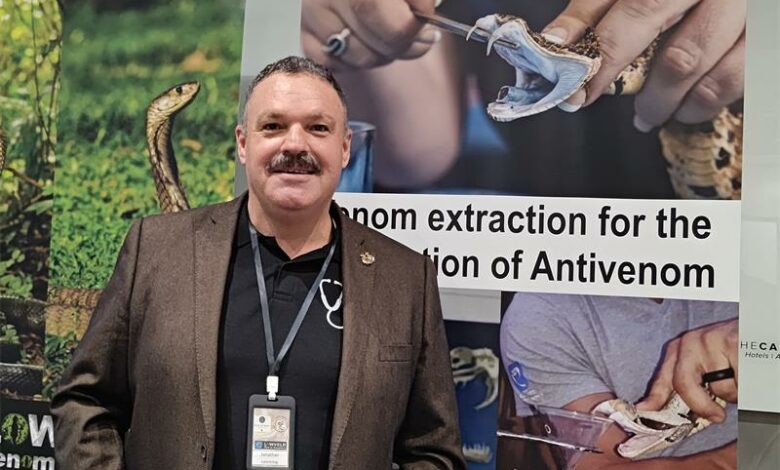
Jonathan Leeming, Southern Africa’s leading authority on spider bite and scorpion sting first response, recently facilitated a course at Kloofendal Nature Reserve, unpacking how to respond safely and effectively to scorpion stings.
Leeming says that there is a lot of misinformation out there about scorpions and scorpion stings.
He explains that the course not only addresses this misinformation but also offers a new science-based first response framework that reduces the chance of being stung by a scorpion, and if there is a sting, ensures the best possible outcome for stings in humans and animals.
The content of the course is based upon his latest book, Essential Scorpion Sting First Response.
“Southern Africa is home to the world’s least venomous scorpion as well as the 12 most venomous scorpions in the world,” he says.
One of the key lessons introduced participants to the ‘Venomosity Rule of Thumb’, which helps people distinguish between more and less venomous scorpions found in Southern Africa.
According to Jonathan, scorpions with large pincers and thin tails are generally weakly venomous, while those with small pincers and thick tails tend to be more venomous. He stresses, however, that identifying venomous species is only one aspect of effective first response, as several other factors can influence the severity of a sting.
Participants also learned about the symptoms of scorpion stings, expected timeframes for reactions, when to seek professional medical care, appropriate first aid measures, the role of antivenom, emergency contacts and the importance of taking leadership during a scorpion sting emergency.
One of the common areas of misinformation, Jonathan says, is home remedies.
“Once the patient has been stung by a scorpion, there is nothing that is applied externally that will be of any benefit.
“I don’t believe we can reduce the chance of being stung by a scorpion to absolute zero. However, we can reduce the risk of being stung to equivalent or less than driving a car, drinking alcohol or stepping out of the bath.”
The course included an interactive workshop following the presentation, after which participants completed a multiple-choice assessment. Everyone who completed the course received a certificate, along with educational resources to help raise awareness in their own communities.
The next course at the reserve will take place on August 16.
Those interested can book online and find more information at www.scorpions.co.za/events or contact Jonathan via email at info@jonathanleeming.com.