Retired horticulturist keeps his passion alive with flourishing Clivias
Retired horticulturist turns decades of experience into a colourful Clivia passion, sharing his knowledge and helping a new generation of growers bloom.
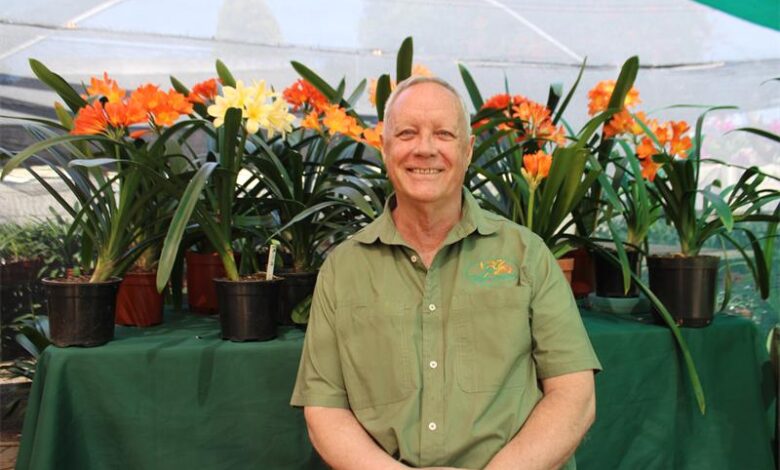
After four decades of working with plants, retirement has given Pieter le Roux the freedom to turn his home into a place where his lifelong passion continues to bloom.
The retired horticulturist has spent the past 30 years growing Clivias at his home, carefully nurturing the colourful plants and experimenting with different varieties.
For Pieter, growing Clivias is more than a retirement hobby. It is an extension of a career that began in 1974 when he joined the railways as a horticulturist.
He spent 40 years working in horticulture before moving into the position of environmental manager, but his love for plants never faded.
“I retired in 2015, but I never stepped away from the plants,” he said.
His love for gardening can be traced back to his childhood, when he would spend time visiting his late aunt, who was passionate about gardening.
“I loved spending my time with her and getting my hands dirty in her garden,” he recalled.
His particular fascination with Clivias began about 30 years ago when a friend gave him a packet of seeds and encouraged him to grow them. “I did, and it was successful,” he said.
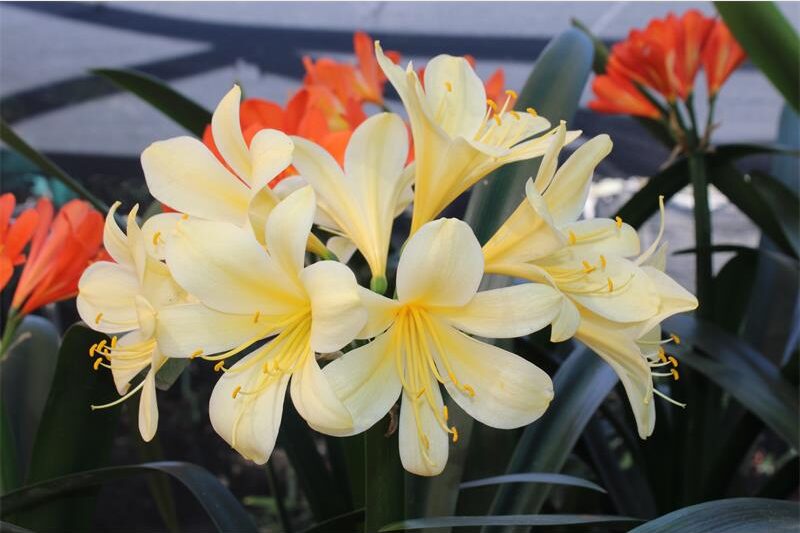
Over the years, Pieter has built up an impressive collection of Clivias in different colours and varieties. Some he sells to fellow plant enthusiasts, allowing his passion to reach other gardens.
Walking into his home, it is difficult not to notice the Clivias. Their vibrant colours immediately catch the eye, creating an atmosphere that feels peaceful and inviting.
But his interest in Clivias goes beyond simply growing the plants. Pieter also hand-pollinates them, carefully crossing existing colours in an effort to produce new and distinctive varieties.
He said it is a process that requires immense patience.
“They usually bloom from August through September and go out of season after that. From seed to flower is not something that happens overnight.
“Once a cross has been made and the plant produces seed, it can take up to four years from seed to flower before seeing the results. You must have a love for the flowers and look after them properly.”
Pieter has also passed his knowledge and experience on to his right-hand man, Michael Miya, who has worked alongside him in growing and caring for the Clivias.
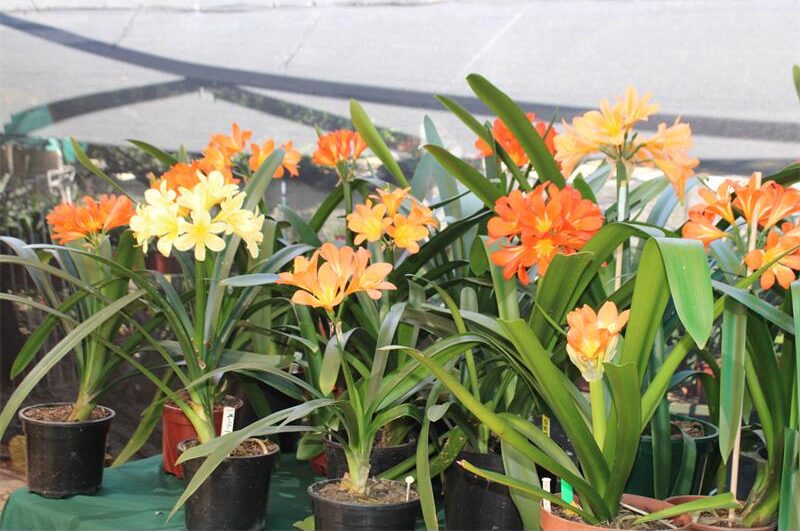
Together, the pair have produced hundreds of flowers, with their dedication earning recognition at competitions hosted by the Johannesburg Clivia Club.
Michael recently placed third in one of the club’s competitions – an achievement that reflects the knowledge and skills he has gained through working alongside Pieter.
The partnership has also opened new opportunities for Michael, who went on to start his own business based on the work and knowledge he developed through growing Clivias.
“I call my flowers Mahala Clivias, not because they are free, but because they signify the love and support I received from the Johannesburg Clivia Club members who gave me free seeds when I started,” he said.
“This hobby gave me a sense of purpose and, most importantly, patience about life in general. I love nature and the fact that it never disappoints. What you carefully put into the soil is what you get.”
Pieter continues to share his passion with other people in the community and has started an educational group to teach others about the flowers.
His passion will soon reach a wider audience when he appears on the popular kykNET programme Kwêla, as part of its collaboration with the Roodekrans Neighbourhood Watch’s Love Your Neighbourhood series, which celebrates interesting and inspiring members of the community.