Finding hope after breast cancer
Nearly two decades of voluntary service show how emotional support and shared experience help women rebuild their lives after surgery.
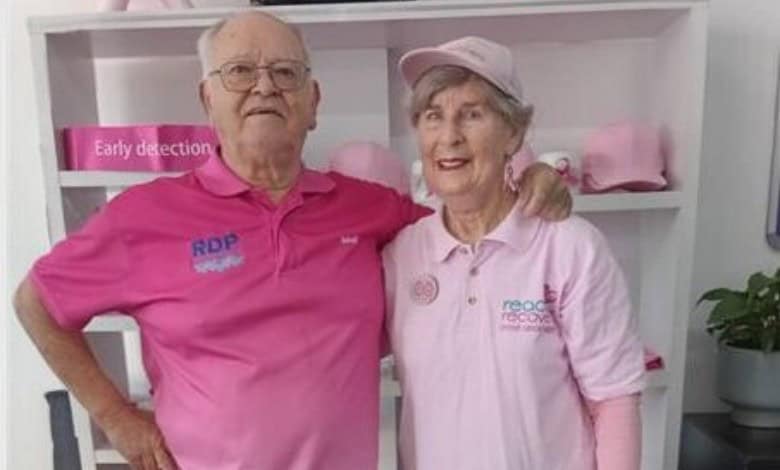
A breast cancer diagnosis at 59 changed how Sandra Strydom sees herself, her family and the future, prompting her to share why early detection matters.
“Will I die young?” That was the immediate question Sandra asked herself when she was diagnosed with breast cancer in 2005.
Having worked as a nurse, she remembered patients who had undergone radiation treatment decades earlier.
The memories fuelled her fears as she faced the possibility of cancer treatment herself. Nearly 21 years later, the mother of three and grandmother of two is sharing her experience during Breast Cancer Awareness Month to encourage early detection and remind others that life continues after a diagnosis.
Strydom, who was born and raised in the Western Cape, moved to Gauteng with her husband in 1973. Her breast health journey had started much earlier.
At 17, a small lump in her left breast was removed and found to be benign. At 42, another lump in her right breast was also benign.
She continued attending regular mammograms, but in 2005, she was diagnosed with breast cancer after a cyst in her left breast became cancerous, according to Strydom.
The diagnosis brought uncertainty, compounded by conflicting advice from friends about whether surgery was the right choice. Once she had made peace with the decision, she found calm in her faith and trust in her surgeon.
“I was calm and knew I was in the hands of God. I trusted the experienced surgeon,” she said.
Strydom underwent surgery and aggressive chemotherapy, followed by Herceptin infusions every three weeks for a year. She also took hormonal suppressant medication for five years.
Treatment brought physical challenges. Her hair began falling out after her second chemotherapy session, and she chose to have it shaved off and wear colourful scarves. Fatigue, sensitive eyes and brain fog forced her to slow down and rest more often.
Her family helped her through the difficult period. Her husband drove her to treatment, while her daughters took over cooking and other household responsibilities. Friends offered companionship and thoughtful gestures that helped her feel cared for.
With their support, she was even able to continue the family’s annual holiday. The experience also changed how she viewed herself and the time she had been given.
Previously, she would celebrate her family’s birthdays enthusiastically without focusing much on her own. Now, she celebrates her birthday with renewed appreciation.
“Now I celebrate my birthday with enthusiasm and passion because I am worth it,” she said. She marked her first year in remission with a hot-air balloon ride and walked the Camino de Santiago after five years in remission. Strydom’s experience has also given her a deeper understanding of the importance of early detection.
The death of a friend whose breast cancer spread reinforced the need to seek medical attention and receive appropriate treatment.
She continues to attend regular mammograms and follow-up appointments with her oncologist. Having chosen not to undergo breast reconstruction, she said wearing a correctly fitted breast prosthesis helped restore her dignity.
For the past 18 years, she has volunteered with Reach for Recovery, visiting patients after breast cancer surgery to offer encouragement, practical advice and reassurance.
She understands how frightening a diagnosis can be and wants patients to have someone who will listen to their questions and share their feelings without judgment. She also wants to challenge the misconception that breast cancer is always a death sentence.
For people who notice changes in their breasts, her advice is to seek medical attention rather than allow fear to prevent them from taking the first step. Changes do not necessarily mean cancer, but they should be checked by a healthcare professional.
To those currently undergoing treatment, she encourages them to take each day as it comes, break difficult days into manageable moments and keep looking forward. “There is always hope,” she said.
Her journey has taught her to embrace life with greater purpose, and she hopes her story will encourage others to do the same.
“Life is a song, just sing it.”