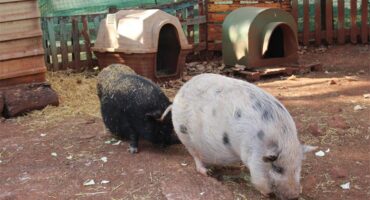
Families camp out at Joburg Zoo in celebration of Earth hour
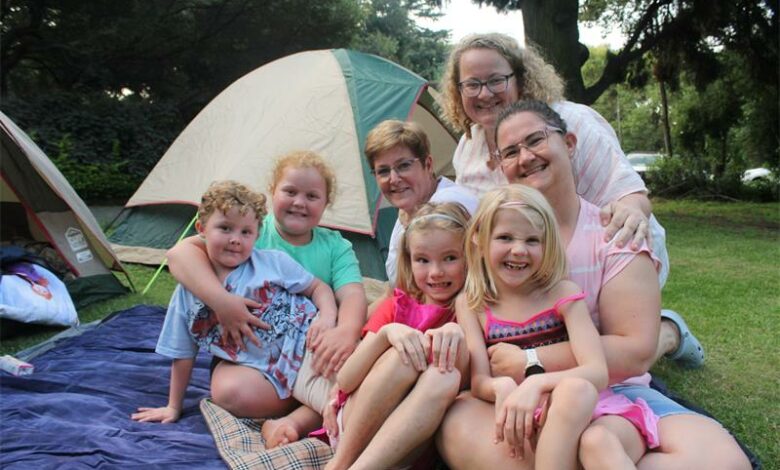
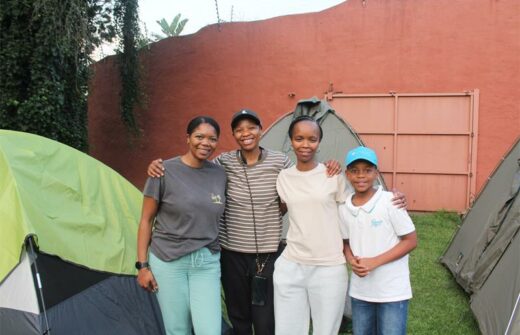
Who can say they have gotten to camp out at the Joburg Zoo? Families spent a lively evening with each other and the animals at the zoo while celebrating Earth hour.
Can you imagine the sounds of lions roaring, elephants trumpeting, and spider monkeys shrieking, all under the starry night of Johannesburg?
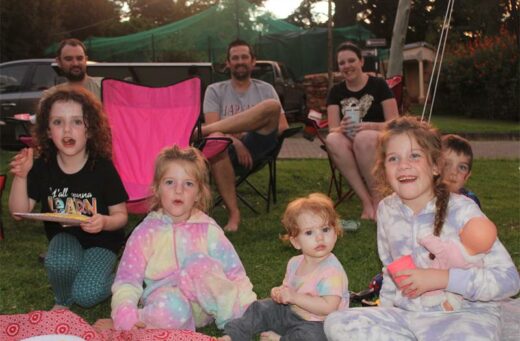
Families made their way to the Johannesburg Zoo to experience a campout and celebrate the significance of Earth hour.
As eager campers pitched tents, rolled out sleeping bags, and folded out their chairs (just don’t forget your toilet paper), visitors had a special opportunity to experience the zoo at night. Those who were awake, such as the lions, rhinos, and monkeys, could be seen enjoying the cool nighttime breeze.
Read more: Community volunteers dedicate time to restore Zoo Lake
You could even see the flamboyance of flamingoes sleeping together, and, yes, many with only one leg on the ground.
Earth hour is observed across the world on March 28 from 20:30 to 21:30. It invites millions worldwide to switch off non-essential lights and ‘Give an hour for Earth’.
Organised by the World Wildlife Fund (WWF) since 2007, this 20th-anniversary event promotes action against climate change and biodiversity loss by dedicating 60 minutes to positive environmental activities, such as sustainable living or connecting with nature.
Kirsten Schuijt, director general of WWF International, said Earth hour is a powerful reminder of the urgency to act while we still can.
“It is not just about switching off lights; it’s about switching on a global movement for change. By engaging individuals, communities, and businesses, we can create a collective force that drives real impact and inspires hope for a sustainable future.”
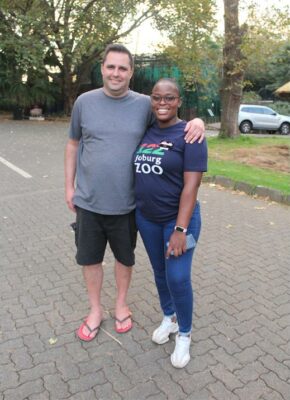
Nthai Mvula, from the zoo, said they would like to continue to foster a love for aimals for generations to come.
Also read: Johannesburg City Parks and Zoo condemns the poisoning and deliberate damage of trees
The zoo is also part of a movement called reverse the red (RTR), a co-ordinated global effort led by the International Union for Conservation of Nature (IUCN) and supported by the World Association of Zoos and Aquariums.
The initiative aims to raise awareness about conservation, emphasising that it is not only the responsibility of conservationists, but of everyone, often starting with simple actions like not littering.
As part of RTR, the zoo started the ‘Adopt an Animal’ initiative this year, inviting individuals, corporations, schools, clubs, and families to get involved and contribute to the care and enrichment of the animals.
The R600 fee supports not only the animals, but also contributes towards the protection of endangered species.
The following is a list of reverse the red animals that can be adopted at the Johannesburg Zoo:
• Southern ground hornbill,
• Wattle crane,
• Chimpanzee,
• Spider monkey,
• Lar gibbon,
• Buff checked gibbon, and
• Black and white ruffled lemur.
Follow us on our Whatsapp channel, Facebook, X, Instagram, and TikTok for the latest updates and inspiration!