
The link between booze and HIV
ROSEBANK – The non-governmental health organisation, Soul City Institute, has warned South Africans about the growing use of alcohol by young women between the ages of 15 to 24, which has resulted in high-risk sexual behaviour and increased HIV infections.
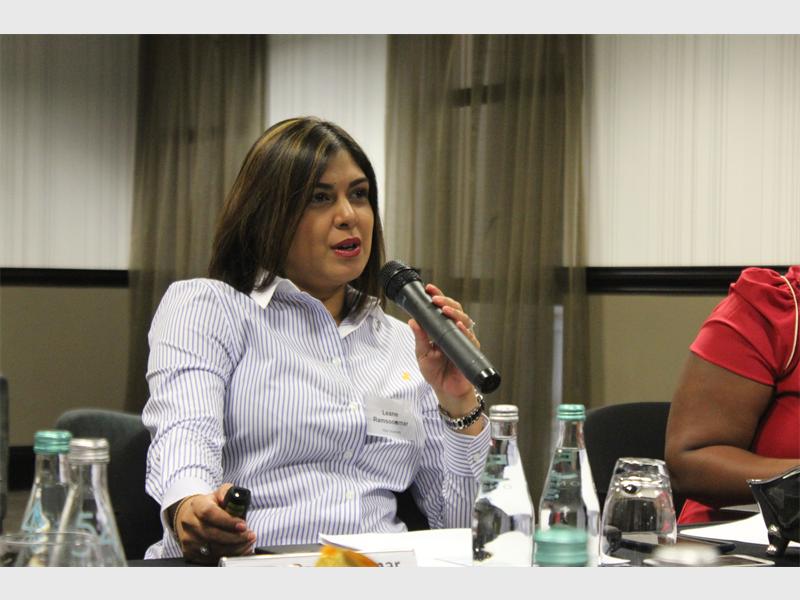
Dr Leane Ramsoomar, a lecturer at the School of Public Health at Wits University, was commissioned by the institute to compile a literature review on alcohol in the context of HIV among young women in South Africa.
Ramsoomar spoke at a briefing hosted by the institute in Rosebank about her research on the subject and her findings that were a serious cause for concern.
“Alcohol is a formidable threat to public health,” said Ramsoomar.
“Women’s exposure to HIV via alcohol use includes several factors such as increased vulnerability to HIV, sex work, gender-based violence abuse and transactional sex.”

Ramsoomar said previous research had established that alcohol use was associated with HIV infections in sub-Saharan Africa; and that women in the 15- to 24-year-old age group ‘bear the brunt of the pandemic’ because they have an eight times higher prevalence than their male peers.
She explained that although women drink less than men on average, women’s lives were more at risk due to alcoholism – whether they abused alcohol themselves or were mistreated by an intoxicated male partner.
“Alcohol use influences choices around sex, diminishes effective skills for consistent and correct condom negotiation, and inhibits sound judgement,” Ramsoomar continued.
“Sexual risk behaviours like unprotected sex, incorrect/inconsistent condom use after heavy drinking or multiple partners are main mediators between alcohol and HIV.”
Spokesperson for Soul City Institute, Savera Kalideen, reiterated the negative impact that substance abuse and HIV infections have on our society, but also proposed a few plausible solutions.
“Interventions that need to be adopted include developing integrated alcohol-sexual risk reduction policies, responsible beverage services and effective implementation of education policies that keep girls in school,” said Kalideen.
“There is also a need to engage men in activities that foster respect for women, their reproductive health and other rights.
“Furthermore, education and employment opportunities need to create a situation wherein more women gain control over educational choices and economic income in the home.”
Details: www.soulcity.org.za