Annual Gender Imbizo for young women and mothers of disabled children in Alex
ALEX – Young women have too often been the victims of South Africa's unrestrained crime problem; but given the opportunity, their lives are bursting with potential.
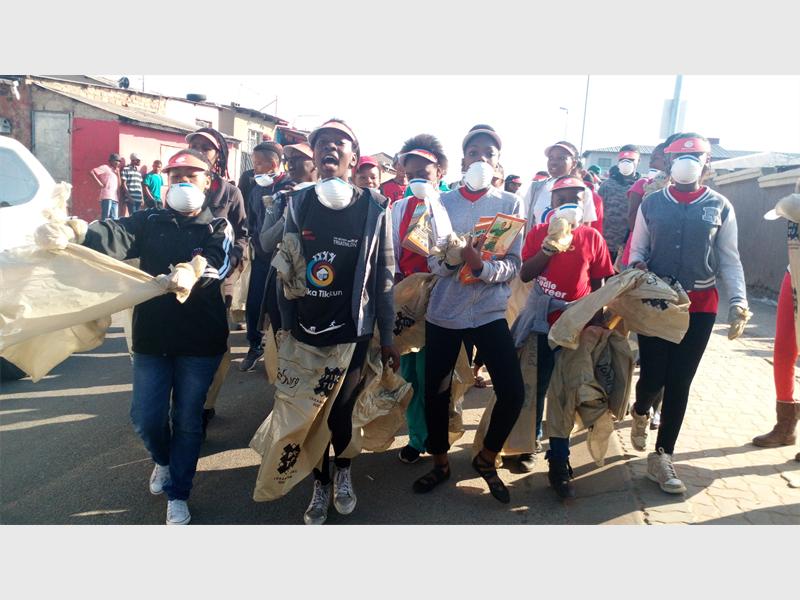
Afrika Tikkun’s Empowerment Programme will host its Annual Gender Imbizo for young women and mothers with disabled children on 19 August at the Phuthaditjaba Centre in Alex.
Women’s Month addresses issues around women equality and women-related abuse.
This year’s event will tackle these issues and attempt to find solutions.
The key issue being raised at the imbizo is that without adult supervision, the youth is vulnerable not only to child neglect but to trafficking and other forms of violence.
After two incidents of attempted child kidnapping, young girls from Hillbrow started raising awareness about the interlinked problems of child kidnapping and child neglect.
In Alex, women and young girls have been very vocal about the dangers and crimes taking place in their community and are calling for a serious intervention. Their lobbying and awareness efforts have largely been targeted at men and boys and as part of these efforts, they will offer self-defense sessions for women.
Makhoaphe Letsie, advocacy campaigns and communications coordinator for Africa Tikkun, said there is a serious need for an intervention in the township and it needs to happen urgently.
“Kidnapping, rape, child abuse, women abuse and all kinds of domestic abuse towards women and children is an issue that many of these townships face. Sometimes kids grow up in broken homes and sometimes don’t know how and where to go to seek help when faced with issues.
“This imbizo aims to create a safe space for everyone, a place where issues can be put on the table and we, as a collective, can come up with solutions,” explained Letsie.
“You can do something to support these young women’s advocacy efforts by joining them at their Annual Gender Imbizo, where they will be engaging with women on key issues affecting families and communities.”
Edited by Stacey Woensdregt