Natural environment preservation a priority says iHlathi Melrose-Birdhaven Conservancy
MELROSE – The conservancy is not opposed to densification but advocates rather for the preservation of the natural environment.
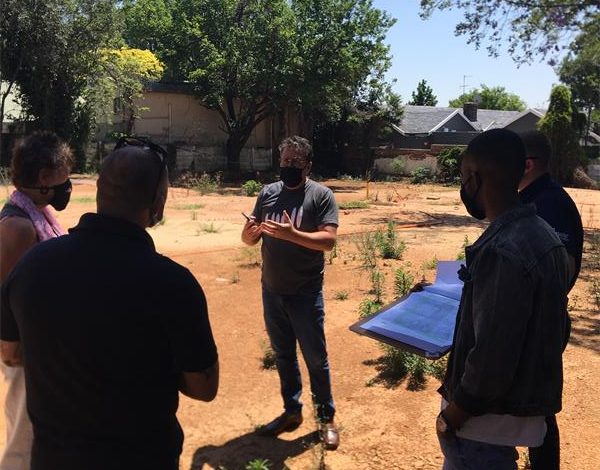
The year 2020 has been an unusual year for everyone. From the iHlathi Melrose-Birdhaven Conservancy’s view it was a crucial year for Johannesburg because right before the pandemic, in February, the Nodal Review was approved by the council. Chairman Markus Scheuermaier explained that the review is an all-encompassing policy that has been largely opposed by residents, heritage and environmental associations, such as iHlathi, to no avail.
The chairman said supporters argue that the Nodal Review will ‘undo Johannesburg’s spatial apartheid’, by allowing densification across the entire city. Most of Melrose-Birdhaven, for example, is to be replaced by high-density housing; but, in the South African context, densification generally means giving unfettered rights to developers, turning existing neighbourhoods into gated communities, and privatising the public realm.
Scheuermaier continued, “Now, the conservancy is not opposed to densification – in fact, our large stands in the northern suburbs are a historical anomaly that came about from apartheid policies, which prevented most Joburgers from moving there. But it does not make sense either that our neighbourhoods should be levelled – densification can be done in a sensible manner, for example, by retaining trees, by designing street-facing housing, and by not giving over all space to parking.”
He said the Nodal Review has no material controls, however, and the conservancy and other civic organisations are already battling unscrupulous developers all over. In Melrose-Birdhaven, for example, more and more illegal demolitions are happening – while the Council does at times intervene, the provincial heritage authority has for all purposes given up. All while water, power, and road infrastructure in the area is being stretched to its limits.
“But we must carry on. In Johannesburg, we have one major asset – our expansive urban forest, one of the largest on the planet, and one major challenge – the rapid degradation of our climate, which may turn the highveld into dryland in no time (the current rains notwithstanding). We must do all we can to keep our city liveable, and preserve the natural environment that we have all created over time.”
Scheuermaier added that along with the Johannesburg Urban Forest Alliance, the Johannesburg Heritage Foundation, the different resident associations of Melrose-Birdhaven, “We will continue to press for a recognition of our urban forest, which gives so much character to our neighbourhoods; after all, Johannesburg is one of the signatories of the international Cities4Forests initiative, which does impel our Council to protect our trees.”
Post your comments on Facebook at Rosebank Killarney Gazette
Related articles:
Clean up Greenside and get to know your neighbours
Pridwin Prep learners clean up the streets on #WorldEnvironmentDay