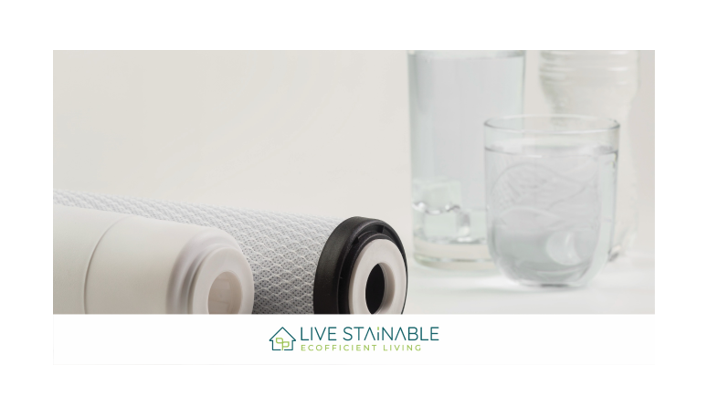
Water filtration can be described as the process of removing or reducing a concentration of particulate matter, including suspended particles, bacteria, algae, parasites, viruses and fungi, as well as any other undesirable chemical or biological contaminants from contaminated water to produce clean and safe water for a specific purpose, be it for drinking, medical or pharmaceutical use.
Filtration systems for drinking water usually include a five-stage filtration process: sediment, mechanical, chemical, mineral, and bacterial. A water filter removes impurities in several ways: by using a fine physical barrier or through a chemical or biological process. Filters can cleanse water to different extents and for different purposes, whether it’s for the safe use of ponds or swimming pools, agricultural irrigation, drinking water, etc. Filters use sieving, adsorption, ion exchanges, biofilms and other processes to remove unwanted substances from the water, making it possible to remove much smaller particles than would be caught otherwise.
Drinking water filtration systems have been used as long as 2 000 years ago by the Mayan. During the 19th and 20th centuries, water filters for domestic water production became popular and were usually divided into slow sand filters and rapid sand filters called mechanical filters. Mechanical filtration was an industrial process that depended on the addition of aluminium sulphate prior to the filtration process. The filtration rate for mechanical filtration was typically more than 60 times faster than slow sand filters.
You might also be interested in Solar Panels
The use of home water filtration and treatment was mainly used where tap water was assumed as microbiologically unsafe to drink with high sediment in the water or unpleasant tastes or odours. Several technologies have been developed for sanitising water. Chlorine is used most frequently in central treatment because of its relatively low cost, although ozone with a small chlorine dioxide residual is gaining acceptance.
With distribution networks following the central treatment often being old and have dead ends or areas with very low flow, residual chlorine levels can become ineffective at preventing the growth of microorganisms, and recontamination of the treated water is possible. Modern types of water filters include media filters, screen filters, disk filters, slow sand filter beds, rapid sand filters, cloth filters and biological filters such as algae scrubbers. Filters for home use include granular-activated carbon filters (GAC) used for carbon filtering, depth filter, metallic alloy filters, microporous ceramic filters, carbon block resin (CBR), microfiltration and ultrafiltration membranes.
Some filters use more than one filtration method – a multi-barrier system. Some common substances that filtration does not remove are arsenic, bacteria, chlorides, fluoride, nitrates, perchlorates, pharmaceuticals, sodium and viruses. Portable water filters are often used by hikers, aid organisations during humanitarian emergencies, or the military. These are usually small, portable and lightweight and mainly filter water either by working through a mechanical hand pump or using a siphon drip system to force water through. These filters work to remove bacteria, protozoa and microbial cysts that can cause disease.
Don’t miss out on the latest Geyserwise specials!!
Avoidance of fibre shedding in the filtration process is imperative, therefore nonwoven fabrics made from continuous fibres, as well as their composite combinations are usually used in microfiltration as media. Membrane filters are highly efficient in filtering submicron contaminants in water but have a limited filtrate holding capacity. Nano fibre nonwoven fabrics are widely used as viral removal filters in membrane water filtration systems.
They play two roles in the composite filter structure: they act as a separate prefilter to separate out larger particles and they provide depth filtration to the membrane to improve the particle holding capacities. This extends the lifetime of the membrane filtration system.
For more information, visit Livestainable’s website: https://www.livestainable.co.za/.