
Norwood SAPS ‘Basadi Operation’ saw women in blue lead
Norwood Police Station shone the light on women's empowerment while combating crime through 'Basadi Operation'.
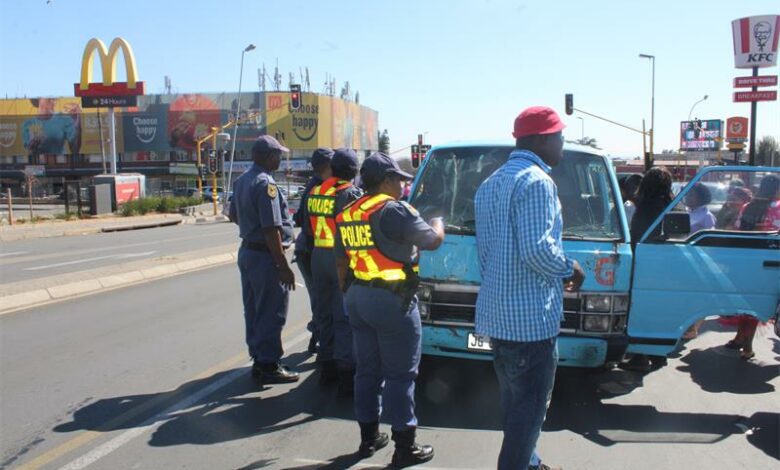
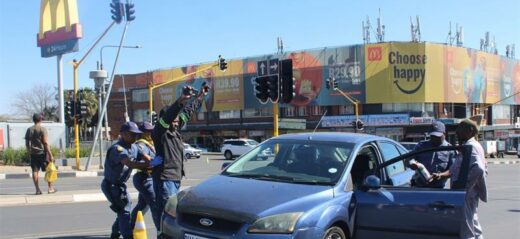
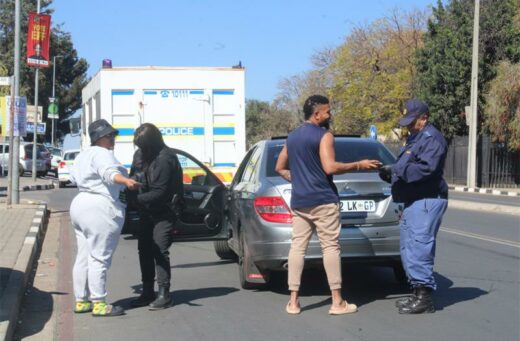
Norwood Police officers combined crime prevention with a powerful message of women’s empowerment during their Basadi Operation roadblock on August 22 at Louis Botha Avenue, Highlands North.
Several women in blue were on high visibility while enforcing the law and interacting with motorists, and conducting stop and searches.
Warrant Officer Eric Masotsha explained that the operation aimed to:
- Highlight the achievement and leadership of women within the SAPS and law enforcement.
- To combat crime by addressing crime through searches for illegal items and apprehension of wanted suspects.
- To raise awareness about issues such as gender-based violence (GBV) and domestic violence.
Three undocumented foreign nationals were arrested after failing to identify themselves during the roadblock, whereas one suspect was released after his documents were submitted to the police as proof of identification and were verified.
Crime statistics
Housebreaking leads the household crime list in South Africa.
Read more: Norwood SAPS’ Operation ‘Basadi Roadblock’ brought three undocumented foreign nationals to book
On August 26, Statistics South Africa (SA) said that according to the latest Governance, Public Safety and Justice Survey (GPSJS), housebreaking remained the most experienced crime affecting South African households in 2024/25.
The statistician-general said, despite this, perceptions of safety have improved slightly.
“The survey shows that 81.0% of people aged 16 and older felt safe walking alone in their neighbourhoods during the day in 2024/25, compared with 80.4% in 2023/24,” said the statistician-general.
Households are most affected by housebreaking.
The latest report on crime in South Africa showed that housebreaking or burglary had consistently been the most common crime experienced by households in South Africa, followed by home robbery.
Male-headed households and those living in KZN were most affected.
Over the year (2024/25), an estimated 1.5m incidents of housebreaking occurred, representing 5.7% of all households in the country.
Housebreaking was one of the least-reported household crimes to the police, with only about 43% of affected households reporting to the police, almost the same proportion as the previous year.
Theft of personal property and consumer fraud dominate personal crimes.
Theft of personal property was the most common crime in 2024/25.
A total of 1.2m people were affected, down from 1.3 million in 2023/24. Thefts were most likely to affect males and people living in metro areas.
Also read: Policewomen take charge
An estimated 1.3m incidents of personal theft took place, affecting about 1.2m individuals, which equated to 2.6% of the population aged 16 and older.
However, most victims chose not to report these crimes: 69% chose not to report, while only 31% reported some or all incidents to the police.
@caxtonjoburgnorth Police Station officers conduct an operation on Louis Botha Avenue in Highlands North. #Police #Rosebank
♬ original sound – Caxton Joburg North – Caxton Joburg North
Consumer fraud showed a different trend; incidents rose sharply from 552 000 in 2023/24 to 811 000 in 2024/25.
Encouragingly, the share of victims reporting to police increased from 30.7% to 34.9%.
How individuals tried to stay safe
The proportion of adults aged 16 and older who felt safe walking alone in their neighbourhoods during the day declined from 85% in 2020/21 to 80.4% in 2023/24, before edging up slightly to 81% in 2024/25.
Fewer South Africans reported feeling safe when walking after dark: only 36.1% in 2024/25, up marginally from 34.9% the previous year, but still below the 39.6% recorded in 2020/21.
Provincial differences were notable: Limpopo recorded the highest proportion of people who felt safe walking alone both during the day (97.2%) and at night (64.2%). Western Cape residents, however, were the most likely to feel unsafe in the daytime (31.4%), while Mpumalanga had the highest share who felt unsafe at night (73%).
Those aged 16 years and older are also taking active steps to protect themselves against crime.
The share of people who did something to guard against crime rose from 39.9% in 2023/24 to 43.3% in 2024/25. Walking only during safer hours was the most common precaution (29.9%), followed by installing physical protection measures such as burglar doors (28.7%).
Nearly 80% individuals said these measures made them feel safer.
Follow us on our WhatsApp channel, Facebook, X, Instagram and TikTok for the latest updates!