
Reading starts at home, says expert, as new report exposes SA literacy crisis
Only 30% of young learners can read at grade level. Education leaders gathered in Johannesburg as experts urged urgent action at school and at home.
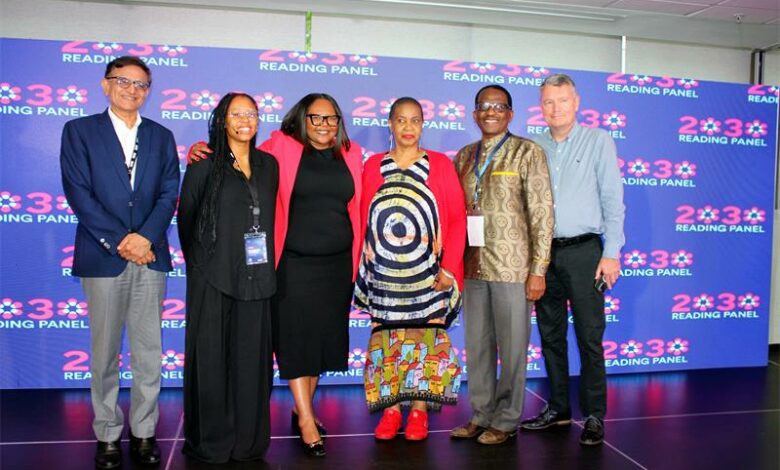
A sense of urgency filled The Venue in Melrose Arch on February 24 as education leaders, academics and civil society organisations gathered for the 2030 Reading Panel to confront South Africa’s growing literacy crisis.
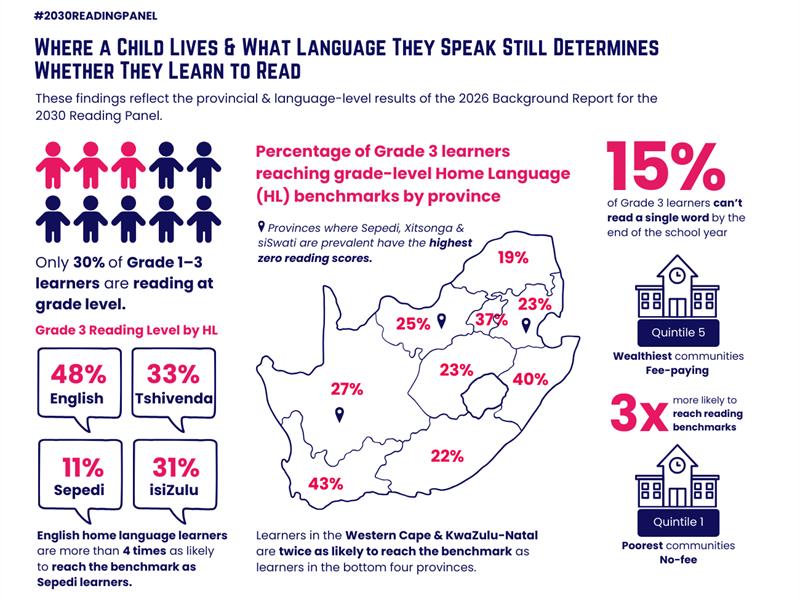
At the centre of discussions was the Department of Basic Education’s Funda Uphumelele National Survey, which revealed that only 30% of learners in Grades 1 to 3 are reading at grade level in their home languages. Even more alarming, 15% of Grade 3 learners scored zero in reading assessments, meaning they were unable to decode a single word after three years of formal schooling.
Read more: Valuable 500 Africa Summit calls for action on disability inclusion
The report highlights three key interventions that have shown positive results: providing quality learning materials, deploying unemployed youth as teaching assistants and offering structured coaching for teachers.
While grade repetition has shown learning benefits, especially in Grade 1, it consumes 8% of the national education budget, raising concerns about sustainability and resource efficiency.
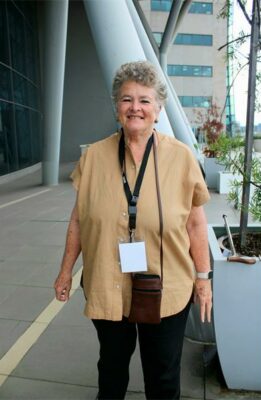
According to education expert Professor Mary Metcalfe, while classroom interventions are essential, lasting change will only happen if families and communities play a more active role in supporting early reading.
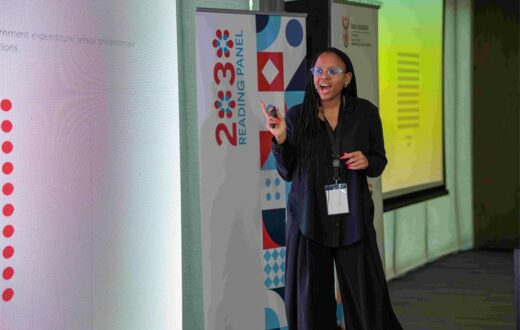
“Children learn to read by interacting with text, and that cannot happen only at school,” she said. “Many children grow up in homes where there are few books and limited exposure to reading, which makes learning much harder.”
Metcalfe explained that children develop reading skills through regular practice and engagement. She encouraged parents to read newspapers with their children, tell stories, discuss pictures and involve them in writing and drawing activities.
Also read: Thousands of South African children with disabilities still locked out of school
“Reading should be enjoyable and part of everyday life. Parents do not need expensive resources. Simple interactions help children understand that the symbols on the page carry meaning and can be both fun and informative.”
She added that provinces implementing comprehensive literacy programmes, combined with teacher support and access to reading materials, are already seeing improvements, although progress remains slow overall.
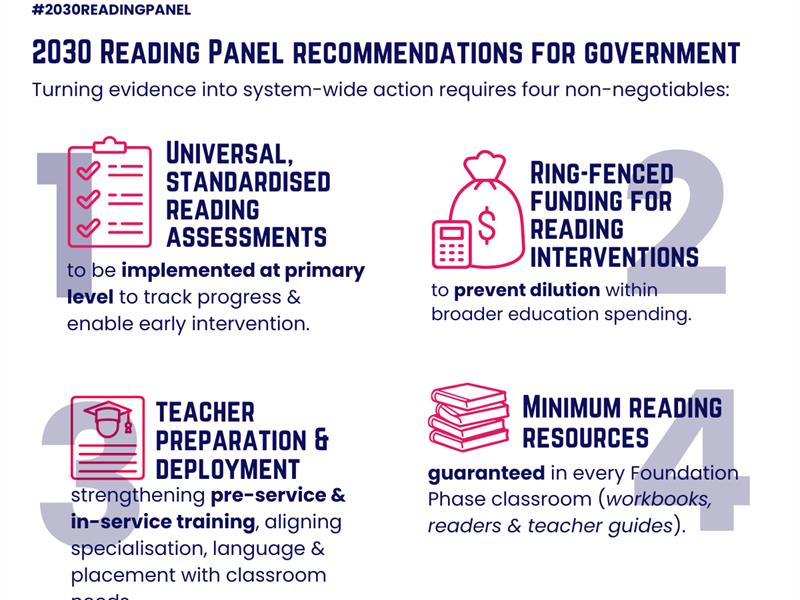
“If we want children to read with understanding by Grade 4, we must start early and work together. This is not only a school’s responsibility. Homes, communities and government all have a role to play.”
As South Africa works towards its 2030 literacy goals, the message is clear: without urgent, coordinated action, millions of children will continue to fall behind before they have even begun.
Follow us on our Whatsapp channel, Facebook, X, Instagram and TikTok for the latest updates and inspiration!