Childline Gauteng helps in research on sexual violence survivors
A study co-researched by Childline Gauteng saw sexual violence survivors speak out about their experiences of the criminal justice system and the importance of psychosocial services.
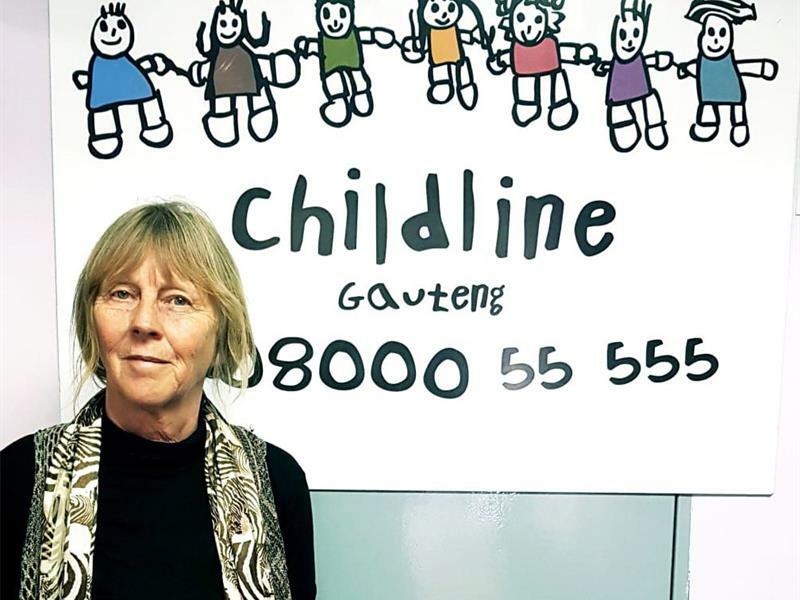
Childline Gauteng in Parktown is paving the way for a society that provides justice for rape survivors and is safer for all. Director at Childline Gauteng, Lynne Cawood said through findings from a research study they undertook with independent researcher, Dr Marinda Weideman in December 2021, through a grant from the Solidarity Fund, they sought to find out how they can improve their services to victims of violence.
Cawood said the research article presents a breakdown of the perpetrators, survivors seeking help and their experiences with medical facilities, the police, and the courts.
“The purposes of this study were to investigate the perceptions of survivors on the efficacy of the criminal justice system (CJS) in respect of reported cases of sexual and gender-based violence, with a view to identifying the factors that contribute to low conviction rates and developing recommendations for the improved performance of the CJS,” said Cawood.
In the article, Dr Weideman stated that quantitative and qualitative data collection methods were used. These included a desk-top review; 28 in-depth interviews with subject experts and the police; and a survey completed by 207 adult survivors of sexual and gender-based violence (SGBV), or adults representing children who had experienced SGBV and were receiving, or had received, counselling support from Childline Gauteng.
Almost all the perpetrators were men (99%) most of whom were known to the survivors (79%). 47% of the perpetrators were family members. All age groups were represented among the perpetrators: 21% were child perpetrators, defined as persons aged 18 and younger; 27% were youth (aged 19 to 35); and 39% were older men. The ages of the remaining 12% are unknown.

Most (80%) of the survivors/caregivers (eventually) reported the incident(s) to the police. Survivors’ experiences with the police were often positive. For example, all respondents were assisted in a language they ‘understood well’, and most described the police as helpful (81%) and kind (82%). However, 18% described the police as ‘unkind’, while 16 participants said the police were abusive.
Those who attended medical facilities gave positive assessments of their experiences and the services delivered; 79% waited for less than 30 minutes to be assisted (54% were assisted immediately); 88% said that health officials adequately explained the processes and procedures (thereby reducing their fear and confusion); 96% described health officials as being kind and helpful; and 97% said they were treated with respect.
The findings presented in this article suggest that a low number of SGBV cases reach the courts because of a chain of attritional factors that include families and communities that dissuade or prevent survivors from speaking out or laying charges; not reaching medical facilities, or reaching them too late; poor or extensive police investigations, communication or follow-up; and an alienating (particularly for children) legal system that (despite many commendable improvements) still does not adequately take into the account the effects of trauma or socio-economic deprivation.
Details: To read the study in detail: https://www.developmentaid.org/news-stream/post/165868/sexual-violence-survivors
Related articles: