African media takes stand against climate disinformation at the Goethe-Institut
Leaders in African journalism tackle the rise of climate change disinformation threatening public trust and climate action.
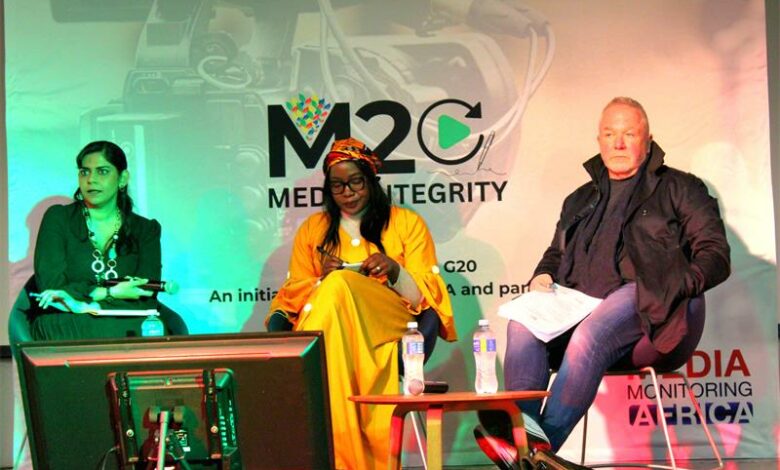
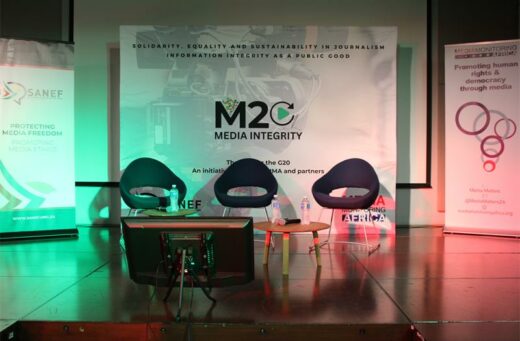
The Goethe Institut in Parkwood hosted a pivotal gathering that brought together journalists, international experts, and media organisations on July 24, to confront one of the greatest challenges of our time – not just climate change itself, but the disinformation that surrounds it.
The event, Fighting Climate Disinformation: Information Integrity for Climate Change and the Role of African Media, was organised by Media Monitoring Africa alongside the South African National Editors’ Forum, the Forum on Information and Democracy, the International Press Institute, and BrandSA.
It delivered a strong message: the climate crisis is as much an information crisis as it is an environmental one.
As the devastating consequences of climate change become impossible to ignore, false narratives and misleading information are spreading rapidly, amplified by artificial intelligence, social media algorithms, and vested interests.
Also read: Parktown North comedian Costa Carastavrakis brings new show to Melrose Arch
These disinformation campaigns aim to erode public trust in science, weaken support for climate policies, and delay meaningful action. Africa, which bears a disproportionate burden of the climate emergency, is particularly vulnerable. Without reliable information and investigative reporting, communities risk being left in the dark about both the causes and the solutions to the climate challenges they face.
The discussions throughout the day focused on how African journalists and media houses can reclaim the narrative. Speakers emphasised that reporting must go deeper than surface-level facts to expose who benefits from fossil fuels, greenwashing, and corporate manipulation.
There was a strong acknowledgement that the media lacks resources and often struggles to cover the complexities of climate science, yet its role in shaping public understanding and pushing for accountability is more critical than ever. Journalists, many of whom face harassment, legal battles, and restricted access to information, were praised for their resilience and dedication.
Also read: Local poet wows the Duchess of Sussex
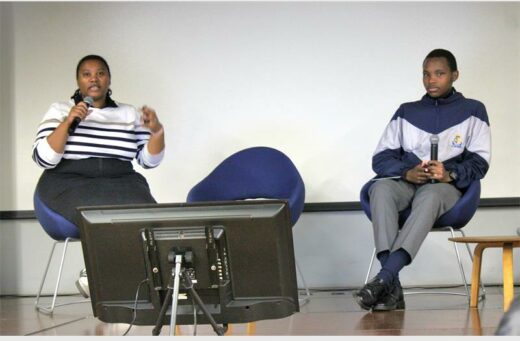
A recurring theme of the event was the role of young people in combatting climate disinformation. Studies shared during the dialogue revealed that youth who have media literacy skills are better equipped to discern credible information and avoid manipulation.
Yet the lack of access to these skills creates an information divide that leaves many young people misinformed and disengaged. To address this, panellists urged governments and civil societies to incorporate climate education and critical thinking into school curricula, while businesses were encouraged to fund initiatives that build digital resilience among learners.
The conversation extended to global efforts, particularly the G20’s focus on information integrity and Brazil’s push for an international initiative to combat climate disinformation.
The event’s participants called for social media platforms to take accountability for the harmful content they amplify, while supporting credible voices such as scientists and investigative journalists. They also discussed the urgent need for financial support for independent media and stronger partnerships with environmental and scientific institutions.
Also read: Sewer pipe replacement project will be completed
Despite the many challenges, the dialogue ended with a sense of determination. Participants agreed that accurate, trustworthy reporting is a powerful tool for change, capable of bridging the gap between science and society. In the words of one speaker: “If we lose the battle for truth, we lose the battle for the planet.” It is a reminder that the fight against climate change cannot succeed without an equally strong fight for information integrity.
Follow us on our Whatsapp channel, Facebook, X, Instagram and TikTok for the latest updates and inspiration!