Electoral stakeholders target online disinformation ahead of local government elections
Representatives from PIIE, IEC, and Moxii Africa gathered to identify likely misinformation and disinformation narratives before they gain traction.
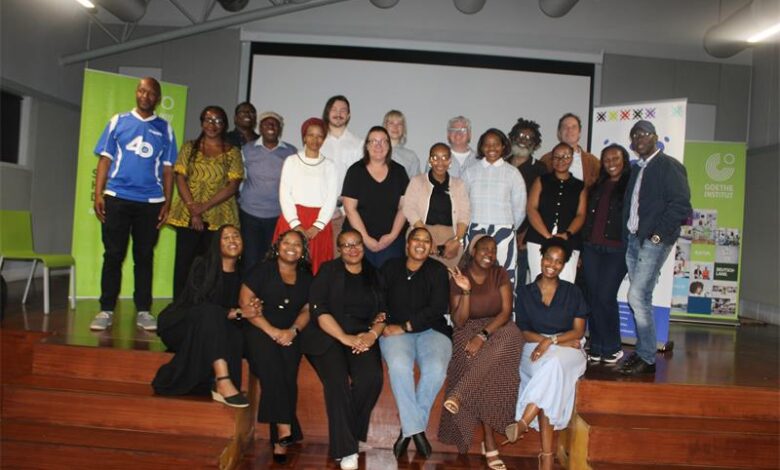
As South Africa heads towards the local government elections, electoral stakeholders have hosted a pre-bunking workshop to tackle anticipated online misinformation and disinformation.
The Partnership on Information and Integrity in Elections (PIIE) hosted the session on September 1 at the Goethe-Institut South Africa to get ahead of contested narratives.
Read more: Polish community and dignitaries honour Warsaw Flights heroes in Melrose
The session brought together representatives from the Electoral Commission of South Africa (IEC), PIIE members and other relevant partners to jointly identify likely misinformation and disinformation narratives before they gain traction, and to develop practical, coordinated approaches for responding to them.
Community building and engagement programme manager Ntsako Manganyi presented feedback collected from July 31 to August 31 from Real 411, an evidence-first tool used to monitor media in real time, report digital harms, visualise trends and turn data into action for journalists, educators and communities.
Trend analysis revealed that 184 complaints were received since July 31, averaging 46 complaints weekly, with 60% related to elections.
Manganyi said recurring disinformation narratives included political collusion claims, fraudulent IEC recruitment posts, unverified corruption accusations and legitimate scrutiny blended with speculation.
Also read: Bramley community unites to clean-up Organic Market informal settlement
He added that across the monitoring period, three distinct but increasingly connected narrative trends emerged, with elections and the IEC featuring consistently, intersecting with migration narratives and AI-generated political content.
IEC project manager Anele Ngwenya announced that the commission has expanded its digital team.
“One of the reasons why we focused on tackling misinformation and disinformation is because it moves at platform speed; it doesn’t move face to face. Capacitating our organisation with a team that can be proactive in communicating is less expensive than fixing a crisis.”
Ngwenya said capacity expansion, establishing a WhatsApp channel and promulgating a disinformation code of conduct were some of the key focus areas for the upcoming election.
The code of conduct for disinformation will soon be promulgated, aiming to give practical effect to the constitutional rights to freedom of expression and political participation, foster an informed, credible and diverse information environment, and provide guidance to political parties, candidates and other influential actors on standards of conduct.
Moxii Africa junior data scientist Keamogetswe Sere noted that the organisation will compile weekly social media brief reports to monitor, analyse and provide insights into online conversations and emerging trends during the election period.
“Through social media listening and data analytics, we can track public sentiment and also detect misinformation and disinformation.”
Follow us on our Whatsapp channel, Facebook, X, Instagram and TikTok for the latest updates!