
Roundtable highlights abuse of women journalists
At a recent roundtable, SA media leaders demanded accountability from tech giants over harassment, bias, and AI abuse.
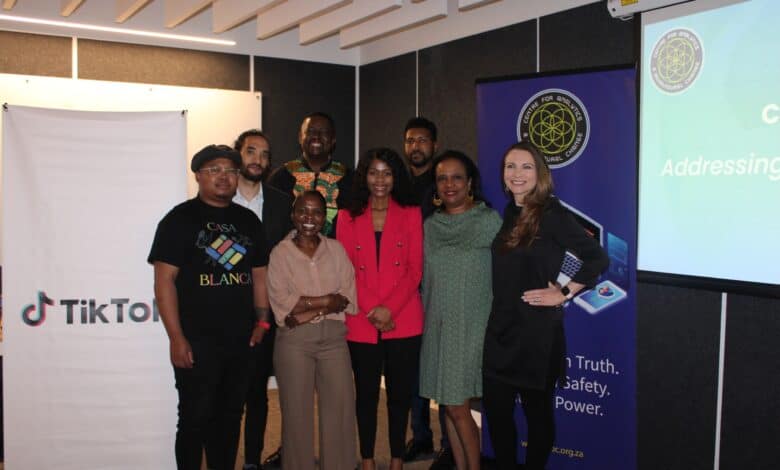
The Centre for Analytics and Behavioural Change and TikTok hosted a roundtable workshop at We Work Rosebank on tech-facilitated gender-based violence on October 7. The roundtable highlighted how South Africa’s growing digital culture has opened new avenues for gender abuse, from online harassment and doxxing, to the non-consensual sharing of intimate images.
With representatives from several media houses in attendance, editors and senior journalists raised concern over the rising online intimidation of women in the media, warning that it threatens both personal safety and press freedom as the country heads into a heated 2026 election season.
Read more: Women urged to break free from inherited money beliefs
Speaking at the dialogue, Reggy Moalusi, executive director of the South African National Editors Forum (SANEF), said online attacks against women journalists are becoming more co-ordinated and personal. “The trend is simple: Target the woman. Whether you are a politician, journalist, or public figure, if you’re female, the abuse begins.
“We have journalists whose home addresses were posted online with threats of violence. They report cases to the police, but nothing happens. It’s exhausting and dangerous.”
Moalusi said the issue has become deeply personal for editors and reporters, who continue to face harassment without effective legal or institutional protection. He criticised both law enforcement and tech companies for their slow response to the problem. “We have had endless talks with platforms like X and TikTok, as well as with government departments, but little has changed. We need to see accountability, not just conversations.”
Also read: Award-winning women entrepreneurs redefine leadership
He also warned that artificial intelligence (AI) is quietly amplifying bias in journalism and content moderation systems. “AI tools still reproduce gender stereotypes. Ask it for an image of a stupid journalist, and it won’t give you a man. That’s part of the problem. We are programming inequality into the future.”
Responding to these concerns, Duduzile Mkhize, outreach and partnerships manager at TikTok, said the platform recognises the real emotional and reputational harm caused by online harassment and is working to strengthen user protections. “No one can be creative if they don’t feel safe. Our goal is to balance freedom of expression with the prevention of harm.”
Mkhize explained TikTok’s community guidelines, which prohibit bullying, hate speech, sexual exploitation, and incitement to violence, using a combination of AI technology and human moderators to identify and remove harmful content.
Follow us on our WhatsApp channel, Facebook, X, Instagram, and TikTok for the latest updates!