Councillor calls out city, stating that action without follow-up is not a solution
According to Ward 103 councillor Lynda Shackleford action by authorities to address problematic properties is pointless with proper follow-up.
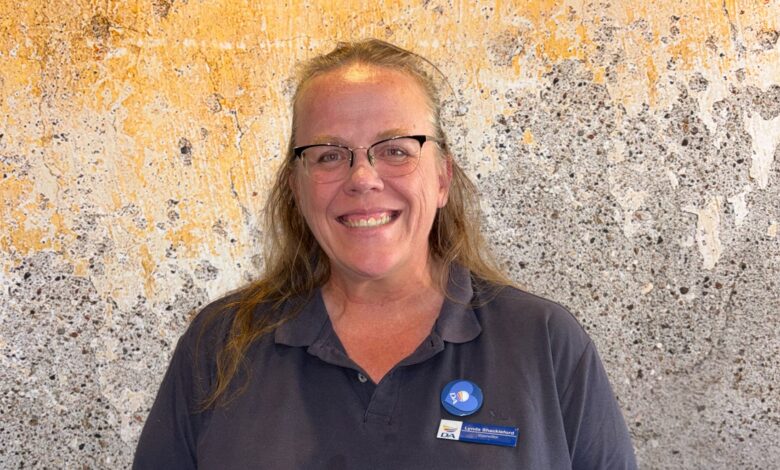
Ward 103 councillor Lynda Shackleford has welcomed the City of Johannesburg’s renewed focus on problematic properties. Still, she warns that enforcement without follow-through risks repeating the same failures residents have endured for years.
Speaking after a series of high-profile operations in her ward, Shackleford said many of the properties targeted were already known to residents, councillors, and multiple city departments. “These properties didn’t suddenly appear. Some have been reported repeatedly for over a year through various channels, including environmental health, development planning, SAPS, and billing. The frustration is that the same problems keep resurfacing.”
Read more: Ward 103 councillor sets ambitious infrastructure goals for 2026 after a year of hardships
Shackleford explained that while the city has the authority to enter properties under certain legislation and disconnect services, the lack of consistent monitoring allows services to be reconnected within days. “You disconnect water or electricity, and a week later it’s back on. Without follow-up, enforcement becomes temporary, and residents are left feeling unsafe and unheard.”
She raised concerns about the way some operations were planned, noting that ward councillors were not always informed, despite holding detailed histories of affected properties. “We don’t need to run operations, but we should be looped in. We know which properties have active complaints, which ones involve vulnerable owners, and which have a long paper trail.”
According to Shackleford, the impact of neglected and illegally occupied properties is visible on the ground. Overgrown gardens, damaged gates, and signs of forced entry often correlate with spikes in crime. “These properties become hiding places. Residents are afraid. Some of the individuals involved are dangerous, and people worry about retaliation if they report issues.”
Also read: The challenges Lynda Shackleford faces as a councillor of ward 103
She also pointed to what she described as a double standard in enforcement. “If a household owes a few thousand rand, they are disconnected regularly. Yet some properties owe hundreds of thousands or even millions, and nothing happens for years. Residents see that disparity.”
Shackleford is calling for a centralised tracking system for problematic properties, integrating billing, environmental health, development planning, and law enforcement data, along with a protected whistleblowing mechanism for residents. “I’m not opposed to action. I am worried about action without structure. If this is just a reaction to media pressure, we’ll be back here in six months having the same conversation.”
Follow us on our WhatsApp channel, Facebook, X, Instagram and TikTok for the latest updates and inspiration!