
Gauteng education struggles to keep pace with learner growth
Rapid migration, overcrowded classrooms, and teacher shortages are placing a strain on Gauteng’s schools, with officials warning that infrastructure development is not keeping up with demand.
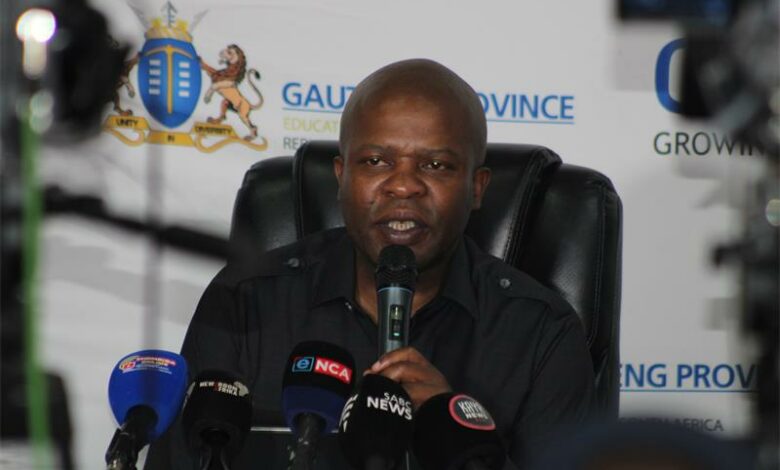
The Gauteng education system is facing mounting pressure as rapid population growth continues to stretch infrastructure, staffing, and resources across the province.
Addressing the media at Bryanston High School, Gauteng Education MEC Lebogang Maile presented the provincial outlook on education and outlined the education department’s 2025 to 2030 Strategic Plan.
He said learner enrolment in Gauteng had increased dramatically over the past three decades, rising from 1.4m learners in 1995 to more than 2.8m in 2026, largely due to urbanisation and migration into the province. While access to education has improved significantly, the rapid growth has created serious infrastructure challenges.
Read more: Gauteng education system strains under enrolment surge
According to the department, 723 schools in Gauteng are experiencing overcrowding, with a shortage of more than 5 500 classrooms across primary and secondary schools. “Only 48 schools were built or refurbished between 2015 and 2024, which has not kept pace with rising enrolment,” Maile said.
He added that ageing infrastructure, temporary classrooms, and insufficient funding continued to place a strain on the education system. Maile said, “The 2026 school readiness audit identified deficits of tens of thousands of desks and chairs across schools in the province, with procurement still underway to address the backlog.” He elaborated that the teacher shortages are also affecting learning outcomes, particularly in mathematics, science, and technology subjects.
“The province currently faces an estimated shortage of 370 specialised teachers, while large class sizes are contributing to educator burnout and reduced individual learner support.”
He added that early childhood development was highlighted as another critical area of concern.
“Many [early childhood development] centres remain unregistered and operate from informal structures that do not meet health and safety standards, limiting access to government subsidies. Learning outcomes remain uneven, particularly in literacy and numeracy, and research shows that a significant proportion of learners struggle to read for meaning in the early grades, which affects performance in later years.” Despite these challenges, he highlighted that Gauteng achieved a record 89.06% matric pass rate in 2025, with the highest bachelor pass rate in the province’s history.
Also read: Department of Basic Education publishes 2026 school calendar
However, Maile warned that improving foundational skills in primary school remains essential to sustaining long-term academic success. The department’s five-year strategic plan aims to address these issues through expanded infrastructure, improved teacher support, strengthened technical education programmes, and greater integration of technology into teaching and learning.
Maile emphasised the importance of partnerships with communities, private organisations, and civil society in improving the education system. “We rely on collaboration with stakeholders and the media to ensure accountability and progress in delivering quality education,” he said.
Follow us on our WhatsApp channel, Facebook, X, Instagram and TikTok for the latest updates and inspiration!