Gauteng education system strains under enrolment surge
Overcrowded classrooms, teacher shortages, and infrastructure backlogs remain major challenges, despite record matric results and rising education budgets.
The Gauteng education system is under growing pressure as rapid population growth continues to outpace school infrastructure, leaving thousands of learners without adequate classroom space.
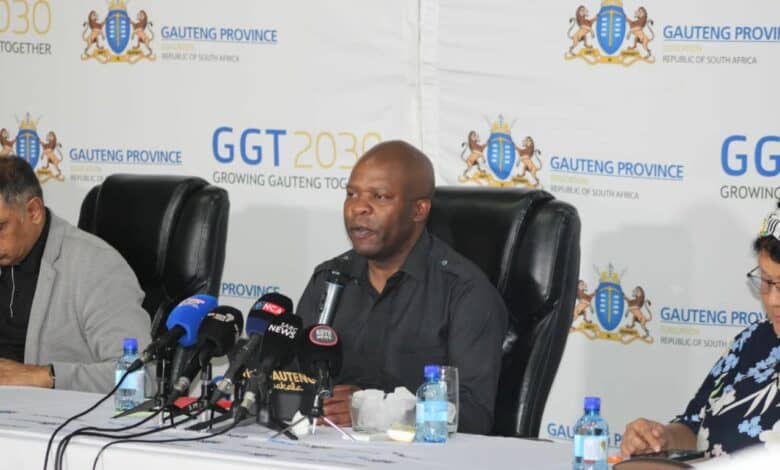
Speaking during a media briefing at Bryanston High School on April 12, Lebogang Maile outlined the province’s education outlook and the department’s 2025–2030 strategic plan.
Read more: KFC backs potential of 200 young people with R5m in education fees
He said Gauteng currently faces a shortage of at least 200 new schools and more than 5 500 classrooms, driven largely by migration into the province. “Annual demand continues to exceed school delivery,” Maile said, “resulting in overcrowding, infrastructure strain, and placement challenges at the start of each academic year.”
Learner numbers in the province have more than doubled since 1995, growing from about 1.4 million learners to over 2.8 million in 2026.
This growth has placed significant pressure on school resources, with some township and inner-city classrooms accommodating 60 to 70 learners per teacher.
Despite these challenges, Gauteng achieved a historic milestone in 2025, recording an 89.06% matric pass rate, the highest in the province’s history.
However, Maile warned that the results mask deeper issues in early education. “Weak literacy and numeracy foundations remain a silent crisis that affects performance in later grades.”
Also read: The Independent Institute of Education launches the new Emeris campus in Sandton
The department also highlighted shortages in qualified teachers, particularly in mathematics, science, and technology subjects, with an estimated 370 educators still needed in these critical fields.
School safety and learner wellbeing were also identified as growing concerns, with incidents of violence, substance abuse, and mental health challenges affecting the learning environment.
Maile said the province’s five-year strategic plan will focus on improving infrastructure, strengthening early childhood development, expanding technical education, and integrating technology into classrooms.
“We are committed to improving the quality of teaching and learning in Gauteng, but we recognise that government cannot do this alone.”
Follow us on our Whatsapp channel, Facebook, X, Instagram, and TikTok for the latest updates and inspiration!