Breaking down barriers for neurodiverse children in South Africa
In many African communities, autism is misunderstood, with cultural myths and stigma preventing access to necessary support.
April 2 marked World Autism Awareness Day, a global initiative focused on raising awareness about neurodiversity and fostering inclusivity.
This year’s theme highlighted the importance of inclusivity policies to build equitable societies, with a special emphasis on autism-related challenges.
In South Africa, the need for tailored, accessible solutions for neurodiverse children has never been more urgent.
Also read: Mediclinic Sandton hosts successful women and child health CPD symposium
Lana Roy, the disability inclusion lead at Afrika Tikkun, spoke about the difficulties faced by neurodiverse youth, particularly in under-resourced communities.
“We see firsthand the barriers that neurodiverse children and youth face in under-resourced communities. Many go undiagnosed, lack appropriate interventions, and are often misunderstood.”
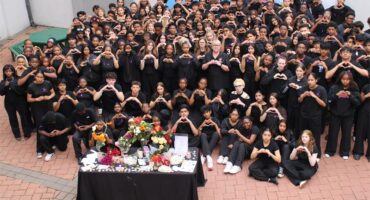
Afrika Tikkun, a community-focused organisation, supports thousands of young people through its Cradle-to-Career model.
Despite this, neurodiverse children in South Africa face significant hurdles in accessing proper care and diagnosis. Limited resources, economic barriers, and widespread social stigma contribute to the lack of support.
Also read: Students gain career insights at varsity college event
“Many communities still associate autism with spiritual curses or as a ‘Western disorder,’” Roy added.
Simon Manda, Afrika Tikkun’s disability team editor, highlighted some of the persistent myths surrounding autism in many African communities, such as the misconception that it is a spiritual or mystical issue or that it is a condition that only affects Western societies. These misunderstandings often result in children being denied necessary care and support.
To address these issues, Manda advocates for educational campaigns to challenge misconceptions, engage religious and community leaders, and develop resources in local languages.
“It is essential to challenge these myths and promote accurate information.”
He added cultural perspectives, such as the Ubuntu philosophy (I am because we are), offer a potential way forward.
“In many African cultures, the extended family structure and community-based approaches to child-rearing provide opportunities for a broader network of support for neurodiverse children.”
Read more: Sponsored | Tasty Nation brings authentic South African flavour to Sunninghill
In other communities, he said steps could be taken to support neurodiverse children.
“Initiatives such as raising community awareness, providing inclusive education training for teachers, and creating family support networks could make a substantial difference. Furthermore, advocating for accommodations in public spaces and vocational training opportunities can empower individuals with autism.”
Manda said early diagnosis was crucial for better outcomes, but many South African families faced long waiting lists, limited access to specialists, and cultural stigmas that delayed help-seeking.
“Addressing these barriers will not only improve the lives of neurodiverse individuals but also promote a more inclusive society for all.”
Follow us on our Whatsapp channel, Facebook, X, Instagram and TikTok for the latest updates and inspiration! Have a story idea? We’d love to hear from you – join our WhatsApp group and share your thoughts!