
What does it really cost to be a woman?
The launch of Femio during Women’s Month sparked a wider conversation about the financial pressures women face, from menstrual and reproductive health costs to the gender pay gap and the often-hidden expenses of everyday life.
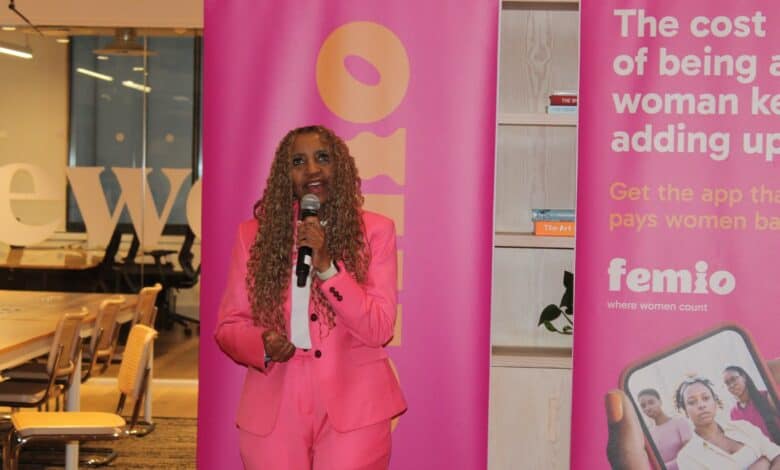
What does it really cost to be a woman?
That was the question at the centre of a Women’s Month discussion marking the launch of femtech startup Femio and examining the financial realities women face throughout their lives on August 14, in Sandton.
The conversation brought together voices from research, business, marketing and women’s health to discuss issues including the gender pay gap, women’s spending power and costs linked to menstruation, reproductive health, menopause and personal safety.
Read more: Smile Foundation Women’s Day breakfast celebrates resilience
Femio founder and CEO Monalisa Zwambila said the issue was one she understood personally.
“I have lived the reality of so many women being single mothers, working hard and still not having enough at the end of the month. Femio comes from that experience,” Zwambila said.
For Zwambila, the financial challenges women face cannot be measured only by the difference between men’s and women’s salaries.
She said women also carry expenses linked to their biology and different stages of their lives, costs that can accumulate over many years.
The discussion highlighted how expenses such as menstrual products, reproductive healthcare and other necessities can form part of a woman’s financial burden, while broader issues such as career interruptions, caregiving responsibilities and unequal pay can further affect women’s financial position.
Zwambila also reflected on the women who influenced her life and said their experiences helped shape her thinking about the need for women to have greater financial agency.
Also read: Women urged to take charge of their mental well-being this Women’s Month
“My mother was the most amazing human being,” she said, while reflecting on the impact her mother had on her life.
She said the platform was launched with those experiences in mind.
The discussion also turned to women’s economic influence as consumers.
Women make significant purchasing decisions within households and across the wider economy, but speakers questioned whether businesses are doing enough to understand women’s needs and whether women are receiving enough value from the spending power they already hold.
Zwambila argued that this economic influence should form part of the conversation about women’s empowerment.
The launch of Femio therefore served as the starting point for a broader issue: whether women’s financial empowerment should focus not only on earning more, but also on understanding the costs women carry and recognising the economic power they already possess.
Follow us on our Whatsapp channel, Facebook, X, Instagram and TikTok for the latest updates!