Africa’s G20 presidency champions real action for women’s economic empowerment
“Guided by a theme of collaboration and resilience, South Africa’s G20 presidency is driving bold initiatives to close Africa’s $42 billion gender financing gap, expand care economies, and end gender-based violence,” says Minister Sindisiwe Chikunga.
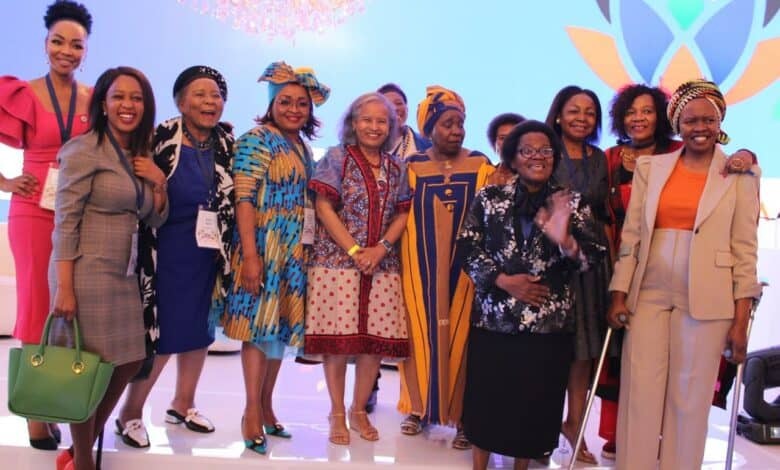
“This is not just about dialogue; it is about action, capital, and accountability,” said Minister in the Presidency for Women, Youth and People with Disabilities, Sindisiwe Chikunga, as she opened the G20 Empowerment of Women Working Group (EWWG) Women to Africa event at the Inanda Club in Sandton.
Guided by the theme, Collaborative Ecosystems for Successful and Resilient Women Businesses, Chikunga emphasised the critical moment for Africa under South Africa’s G20 presidency, a presidency rooted in solidarity, equality, and sustainability, and described as “Africa’s G20, the People’s G20.”
Read more: Event bolsters Johannesburg youth lead urban renewal movement ahead of G20 summit
Reflecting on the significance of Women’s Month and the legacy of the historic 1956 women’s march against apartheid pass laws, she underscored the urgent need for transformative economic inclusion for women across the continent.
“No economy can claim resilience if more than half its people, women, remain locked out of markets, finance, safety, and dignity,” Chikunga said. “We must move beyond talk to concrete action that builds care economies, expands financial inclusion, and ends gender-based violence.”
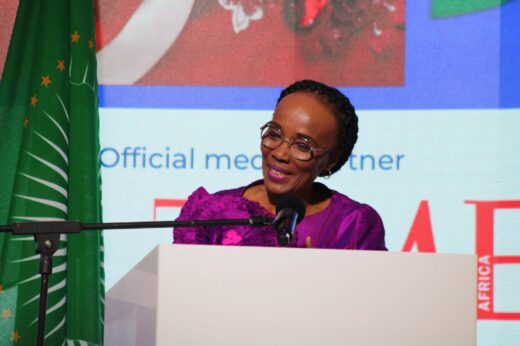
The event brought together government officials, private sector leaders, development institutions, and women entrepreneurs to forge collaborative ecosystems designed to empower women-led businesses across Africa.
The goal was clear: not just conversation, but real action backed by capital and accountability.
Former Chairperson of the African Union Commission, Nkosazana Dlamini Zuma, gave a compelling address that captured the stark realities many African women face.
“Poverty in Africa has the face of an African woman,” she said. “Women struggle daily to feed their children, access healthcare, and find employment even for graduates. Gender-based violence continues to threaten their dignity and safety, and many entrepreneurs lack access to finance and land ownership.”
Dlamini Zuma emphasised that Africa’s future hinges on empowering its women and youth, calling for tangible measures to close the $42 billion financing gap faced by women entrepreneurs continent-wide.
Also read: Strengthening the Global Fight Against Corruption
“This collaboration must ensure women own land, have access to finance, and can build businesses that feed our continent. Africa has the resources, fertile land, abundant sunshine, water, and people to become self-sufficient in food production,” she said.
In a major announcement aligned with this vision, Standard Bank, Africa’s largest bank by assets, pledged a $10 million investment to the African Women Impact Fund (AWIF), a Pan-African gender-lens investment initiative supported by the UN Economic Commission for Africa, UN Women, and the African Union Commission under the African Women Leadership Network.
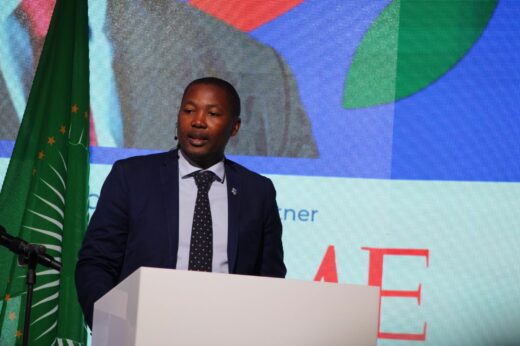
Luvuyo Masinda, Chief Executive of Corporate and Investment Banking at Standard Bank, spoke passionately about the bank’s commitment.
“We are proud to be at the forefront of this initiative. By mobilizing capital for women-owned businesses and empowering women fund managers, we are helping unlock opportunities, expand access to finance, and drive sustainable growth across Africa.”
The African Women Impact Fund aims to close the financing gap by providing women-led businesses with access to affordable capital, risk-sharing guarantees, and improved procurement opportunities.
The event also highlighted three clear priorities under South Africa’s G20 presidency:
• Building the care economy: Recognizing care work as essential infrastructure, costing care into national GDPs, and supporting care services in workplaces.
• Expanding financial inclusion: Creating targeted financing windows, reforming procurement, and establishing a women’s financial inclusion fund to widen access.
• Ending gender-based violence: Implementing continental legislation, survivor support funds, and digital accountability tools.
“These priorities are not isolated; they are interconnected pillars for building resilient economies and societies. Africa cannot succeed if its women are left behind,” Chikunga concluded.
Follow us on our WhatsApp channel, Facebook, X, Instagram and TikTok for the latest updates!