Councillor pushes for bioremediation pilot to save Sandspruit from sewage
Ward 109 councillor Lori Coogan calls for united community action to tackle sewage overflows threatening Ernest Ullmann Park and the river's ecosystem, as wildlife and residents face increasing health risks.
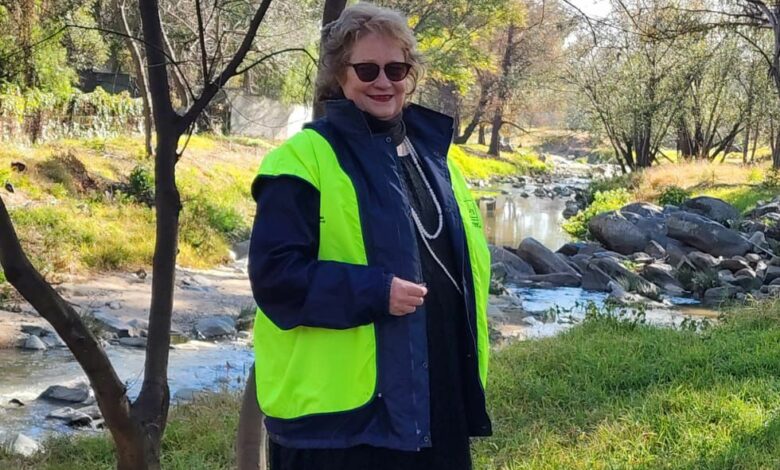
The Sandspruit River, once a relatively clean and tranquil natural corridor in Morningside Manor, has become the centre of an escalating environmental and public health crisis.
Ward 109 councillor Lori Coogan said frequent sewage leaks and blocked sewerage lines have been polluting the river for nearly a year, putting its ecosystem and community value at serious risk.
“The Sandspruit is home to a range of birdlife: yellow-billed and black ducks, Egyptian geese, coots, and other water dependent species. This natural sanctuary also supports the wellbeing of residents, with up to 300 people using the Ernest Ullman Park each week for running events, dog walking, and family outings.

“Since November last year, numerous sewage spills have occurred on the Sandspruit River bank, flowing straight into the Sandspruit River. In the past two months alone, there have been another six spills. Two of the larger spills occurred on the riverbank opposite Ernest Ulmann Park. In the second incident, many manholes were blocked, and a Jetvac machine had to apply pressure sequentially from both sides of the blockage to clear it.
Since then, there have been another four sewage spills, on the riverbank adjacent to Ernest Ullmann Park, which are mainly originating from a nearby complex, which have also flowed into the Sandspruit River. The crisis has now intensified, with sewage blockages affecting lines along Bowling Avenue between Alma and Lawnmarket roads.”
Read more: Ward 81 councillor says the city is bankrupt, residents must step in
Coogan added that further down the line sewage is backing up into domestic drains in private homes near Camelot and Morningside Villas.
She said the cause of the problem is a combination of aging infrastructure and excessive strain on the system. “Thick, oily sludge is accumulating in the pipes, decreasing their capacity.
This buildup increases pressure on the system and results in overflows, often through manholes that spill directly into the Sandspruit River.

“This pollution is especially devastating during spring, when waterbirds are nesting and raising young. Ducklings and goslings are too small to escape the contaminated water and are highly vulnerable to illness or death as a result of sewage exposure.”
To address this growing crisis, Coogan proposed a pilot bioremediation project.
This initiative would involve using biological agents that digest waste directly from the toilet bowl through to the sewerage line. The treatment reduces sludge buildup, eases pressure in the pipes, and decreases the frequency of blockages and overflows.
Also read: Bryanston resident fed up as sewage spills persist despite repeated complaints
“Unlike chemical interventions, bioremediation is a natural and environmentally friendly approach,” added Coogan. “It also holds the promise of being cost-effective and scalable.
A three-month pilot programme is being considered, targeting residents living on both sides of the Sandspruit River near Ernest Ullmann Park, as well as those along Bowling Avenue who are currently experiencing sewage backflow into their homes.”
Residents are encouraged to take part in the pilot programme and become part of a collective effort to maintain and even improve the ecological health of the Sandspruit and reclaim the safety and beauty of this vital community space.
“We urgently need to reduce the pressure on these sewage lines. This green corridor is a precious asset to both people and wildlife.
Without intervention, the cycle of pollution and risk will continue, but we can make a difference. Where we can take action, we should.”
Follow us on our WhatsApp channel, Facebook, X, Instagram and TikTok for the latest updates!