
AHF pressures EU ahead of WHO pandemic treaty talks
Africa pushes for a stronger voice and fair benefit-sharing in global health systems.
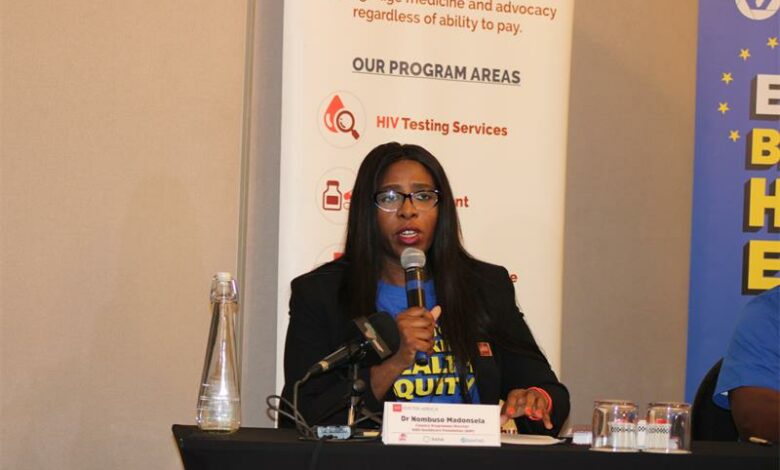
The AIDS Healthcare Foundation (AHF) South Africa has issued a stark warning to the European Union, urging it to stop blocking equity provisions in the final stages of the World Health Organisation (WHO) Pandemic Treaty negotiations.
Speaking at a press conference in Sandton on March 19, AHF and its partners made their position clear: ‘No equity, no agreement.’ The briefing comes just days before critical negotiations scheduled for March 23 to 28, where global leaders are expected to finalise the pathogen access and benefit-sharing (PABS) annex, a key component of the treaty.
Read more: AHF calls for binding equity measures in the WHO pandemic treaty
Dr Nombuso Madonsela, the country programme director of the AHF, reminded attendees that the Covid-19 pandemic exposed deep inequalities in global health systems. While wealthier nations secured vaccines, diagnostics, and treatments early, many African countries were left waiting.
“Access was delayed, limited, and unequal,” she said, warning that current EU resistance to binding equity measures risks repeating those failures. She added that the PABS system was designed to ensure that when countries shared pathogen samples and data, they also received fair access to the resulting vaccines and treatments. However, disagreement remains over whether these benefits should be mandatory.
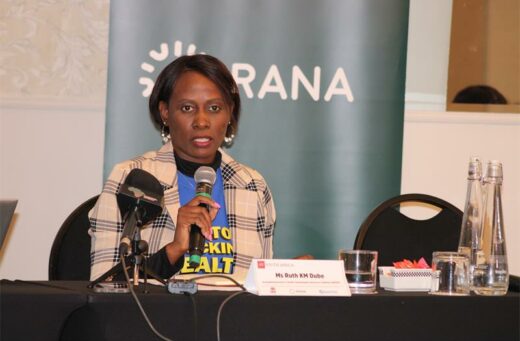
Ruth KM Dube, representing the Strengthening Africa’s Health Technologies Advocacy Coalition, emphasised that Africa must move beyond being just a data provider. “Africa should not only contribute data but also be a decision-maker.” She highlighted the need for transparency, accountability, and measurable outcomes in global health financing, arguing that without these, African priorities risk being sidelined. Civil society leaders stressed that this is not just a technical debate, but a moral one.
Also read: Marlboro food drive aids over 2 000 people in need
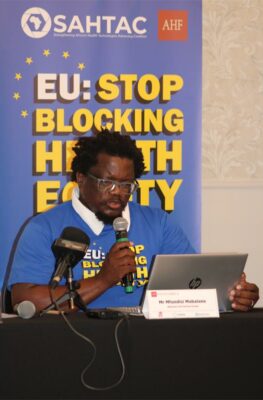
Mfundisi Mabalane of the South African Civil Society Forum said the pandemic agreement must reflect principles of justice, solidarity, and fairness. “PABS is not just a technical mechanism. It is about saving lives and ensuring global systems serve everyone, not just the powerful.” Under the proposed system, manufacturers would provide the WHO with up to 20% of pandemic-related products, including vaccines and treatments, to be distributed to countries in need. But without binding commitments, advocates fear the system could fail.
AHF warned that:
- A weak agreement would be a failure, not a compromise.
- Delays would put global health at risk.
- Lack of accountability would undermine trust.
For AHF and its partners, the outcome of the negotiations will determine whether future pandemics are handled more fairly than Covid-19. “This is about power, justice, and people’s lives,” Madonsela said.
Follow us on our WhatsApp channel, Facebook, X, Instagram and TikTok for the latest updates and inspiration!