
Preparing learners for a global career
With careers becoming more complex and technology-driven, education systems are being urged to equip learners with adaptable skills for a connected global economy.
The world of work is changing rapidly, and education systems are under increasing pressure to keep pace.
Careers today no longer exist within a single industry, city, or country. Instead, they span different disciplines, technologies, and cultures, requiring learners to develop a broader range of skills to succeed.
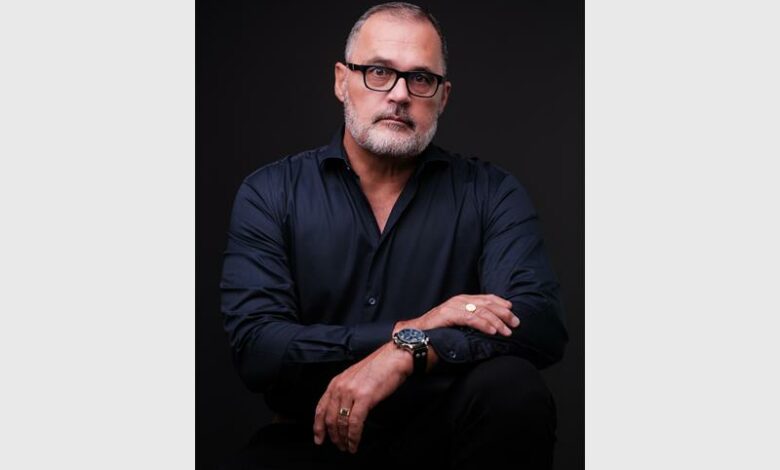
According to Shaun Fuchs, the founder of Centennial Schools in Sandton, the future workforce will require more than traditional academic knowledge. “Many of tomorrow’s careers are not entirely new; they are hybrid roles that combine skills from different fields. This means learners must develop strong foundational skills that allow them to adapt, think critically, and apply knowledge in different contexts.”
Read more: Rocking Future Career Expo inspires Bryanston learners to dream big
He explained that emerging careers such as AI prompt engineering, climate and sustainability management, and digital health are examples of roles that combine technical expertise with communication, problem-solving, and analytical thinking. While these careers may differ in function, they share a common requirement: strong foundational skills.
Fuchs stressed that advanced literacy and communication skills must be prioritised from an early age. The ability to read for meaning, express ideas clearly, and engage with complex information forms the basis of all future learning. He noted that South Africa was currently facing a significant literacy challenge, with research showing that a large percentage of Grade 4 learners struggled to read for understanding.
“This is not just a literacy crisis; it is a future skills crisis. If learners cannot read for meaning, it becomes difficult for them to succeed in any subject or career path.” Education experts are also calling for a stronger focus on critical thinking and evaluation. In an era shaped by artificial intelligence and large volumes of information, learners must be able to question sources, identify bias, and make informed decisions. Memorisation alone, Fuchs said, was no longer sufficient.
Another growing priority is data literacy and systems thinking. These skills help learners understand patterns, interpret information, and recognise how different systems interact, abilities that are increasingly required in modern workplaces. At the same time, digital and artificial intelligence literacy is becoming essential. Fuchs emphasised that technology should not replace traditional learning but should be used as a tool to enhance it. “Knowing how to use digital tools responsibly and ethically is becoming as important as basic numeracy and literacy. Learners must understand how technology works and when to question it.”
Also read: Legal experts guide IIE Law students toward career success
However, technical skills alone are not enough. Fuchs highlighted the importance of developing human-centred skills such as empathy, collaboration, and communication. As technology becomes more integrated into daily life, these human qualities will remain essential in building relationships and making responsible decisions.
Global research supports this shift. Reports from international organisations indicate that skills such as analytical thinking, creativity, resilience, and technological literacy will be among the most important capabilities for future workers. They also suggest that many employees will need to learn new skills throughout their careers as industries continue to evolve. To respond to these changes, Fuchs said education systems must move away from a one-size-fits-all approach and create learning environments that encourage curiosity, problem-solving, and adaptability.
Follow us on our WhatsApp channel, Facebook, X, Instagram and TikTok for the latest updates and inspiration!