Women urged to take charge of their mental well-being this Women’s Month
Social worker Samela Hoza has urged women experiencing the effects of violence, trauma and poor mental health to break their silence, seek support and refuse to suffer alone.
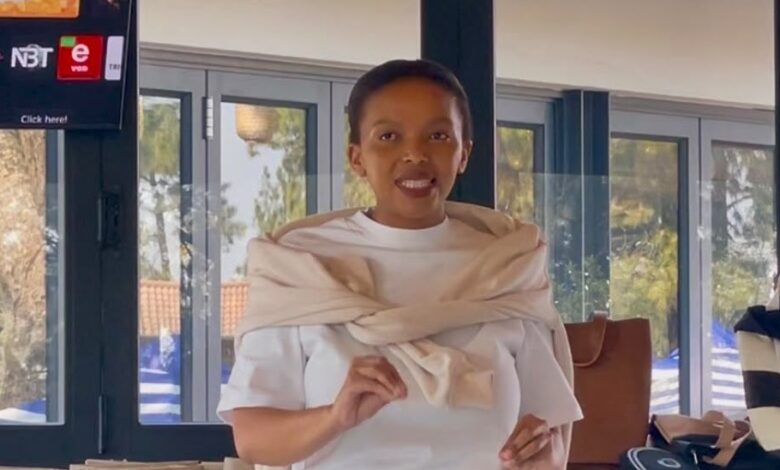
As South Africa commemorates Women’s Month, social worker Samela Hoza from Safer City Group is urging women to prioritise their personal safety and mental well-being, stressing that prevention and early intervention are important in the fight against gender-based violence (GBV).
Speaking at a Women’s Day event in Bryanston on August 9, Hoza addressed the psychological impact of violence and encouraged women to take proactive steps to protect themselves and their mental health.
She explained that people do not always respond to danger in the same way, because the brain’s response to a traumatic experience can influence how a person reacts to future threats.
Read more: Mental health experts warn of holiday stress
“When someone is being robbed, no one tells them that they should run. They run. Some squeal, some fight back,” Hoza said, adding that the body’s natural response to danger can trigger a fight, flight or other stress response.
However, she said the experience can be very different for someone who has previously been exposed to violence or trauma.
“When someone has been violated or has been exposed to GV, it’s either in a physical way where they are abused physically, either in a sexual way where people are raped and molested, or in an emotional way where you are in an environment where you are always told that you are not good enough, you will not amount to anything, your brain stops functioning like a normal brain,” Hoza said.
“If you were ever violated, you are always going to be cautious. That is why a person who has experienced gender-based violence versus a person who hasn’t will respond the same. People who have been exposed to GBV are always alert because it’s like, ‘I don’t want to go through that again.’”
She also raised concern about a system that often focuses more on assisting victims after violence has occurred than preventing people from becoming victims in the first place.
“The sad part about when you look at our system, a lot of things are more of damage control than prevention. It’s more about services that are available after a person is a victim and less about how we protect people from being victimised.”
Hoza also encouraged women to consider safety technologies, including panic buttons and alarms, as part of their personal safety plans.
“Your safety starts with you. As much as we are always willing to pay for Netflix, we need to also take subscriptions to things that can protect our safety so that when something happens, there’s always help around you to come to your rescue.”
Mental health, she stressed, should receive the same attention as physical safety.
“Your mental health comes first. If you know you are not okay, look for help,” Hoza said.
Also read: Staff well-being with mental health initiative at Tara – The H. Moross Centre
Drawing on her experience facilitating therapy sessions, Hoza said one of the questions she asks clients is who they have in their lives to talk to.
She said many people struggle to identify someone they can turn to for emotional support, but encouraged women not to suffer in silence.
“I know that sometimes when you are exposed to violence, there’s a stigma that comes with it, that there’s something you did for this to happen to you.”
“But now the nice thing is that there are free services, there are free non-judgmental organisations that offer free counselling that can actually assist you. Don’t die alone in a corner.
“It’s okay not to have a good day, but if this is becoming a pattern in your lifestyle- out of seven days, five days you feel down, you don’t want to live, you have suicidal thoughts- that is a sign that we need help,” she said.
Hoza encouraged women to exercise regularly, eat healthily, seek help and surround themselves with positive people to manage stress and maintain emotional health.
Follow us on our WhatsApp channel, Facebook, X, Instagram and TikTok for the latest updates!