
Stats SA report reveals gender gaps in school dropouts and care work
New data shows family duties keep girls out of school while men continue to earn higher median wages across South Africa.
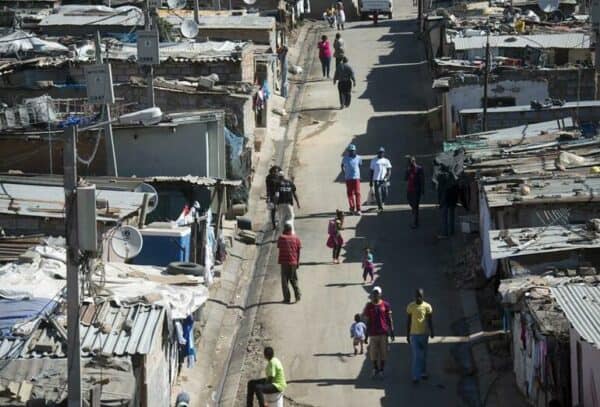
Clear differences exist in why children stay out of school in South Africa, according to Statistics South Africa’s Gender Series Volume XIII: Gender Disparities in Care Work in South Africa, 2026.
Boys are more likely to cite poor academic performance, while girls are more likely to cite family commitments. In 2025, 8.4% of females, aged seven to 18, who were not in education named family commitments as the main reason. For males, the figure was 0.0%.
Read more: Bryanston Women’s Day event highlights hidden mental scars of violence
Care work includes looking after children and older relatives, cooking, and keeping a home running. Time-use data shows most of this work is unpaid and done by women.
Females made up 50.9% of the population in 2026. The working-age share rose to 67.2%, the child share fell to 25.6%, and people aged 65 and older rose to 7.3%.
The child dependency ratio dropped, but the old-age ratio rose, pointing to growing support needs for older people. Both ratios were higher outside urban areas.
Female-headed households increased to 42.6% in 2025, and were more likely to have no employed member (39.1%) than male-headed households (23.5%).
Also read: Women take centre stage in building resilient economies
Men still had higher labour-force participation. Women dominated domestic work, nursing, teaching, social work, private households, and social services. Construction, mining, transport, and manufacturing stayed male-dominated.
Median monthly earnings rose by R1 500 for men and R1 400 for women between 2018 and 2024, with wider gaps in mining and transport. Salaries remained the main household income source, with social grants second, especially in the Eastern Cape and Limpopo.
Average spending on pre-primary education rose from R7 785 in 2015 to R8 069 in 2023.
Households using communal taps for water fell from 13.9% to 8.6% between 2015 and 2025. Female-headed households were more likely to fetch water from a stream or river and less likely to spend under 30 minutes doing so.
Electricity was the main cooking fuel for both female and male-headed homes.
Follow us on our Whatsapp channel, Facebook, X, Instagram and TikTok for the latest updates!