World Cleanup Day reveals a dirty truth about Bryanston’s river
A citizen-science assessment has revealed that the Braamfontein Spruit is critically modified, with few sensitive aquatic species able to survive in its waters.
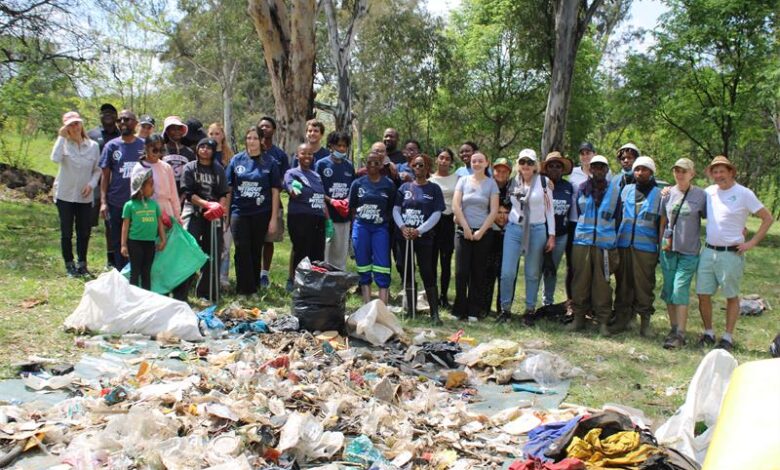
The rubbish lining the banks of Bryanston’s Braamfontein Spruit may be easy to see, but a recent assessment has revealed a more troubling problem beneath the surface.
The river is in critically modified health, according to a citizen-science assessment conducted during a World Clean-up Day initiative on September 20.
Read more: Kew residents clean-up Corlett Drive in commemoration of Youth Day
Volunteers from Community Hours, The President’s Award, Better Bryanston, the Bryanston East Community Forum and other community partners gathered along the river to remove litter and raise awareness about the importance of protecting urban waterways.
But while volunteers tackled the pollution they could see, freshwater ecologist Siphelele Mbangata from Hlanzekile Rivers and Oceans Cleaning examined what was happening beneath the surface.
Mbangata used the miniSASS method, a citizen-science tool that assesses river health by examining aquatic macro-invertebrates, small organisms living in freshwater ecosystems. “These macro-invertebrates can actually tell us how healthy the river is, depending on the different groups that we find,” Mbangata said.
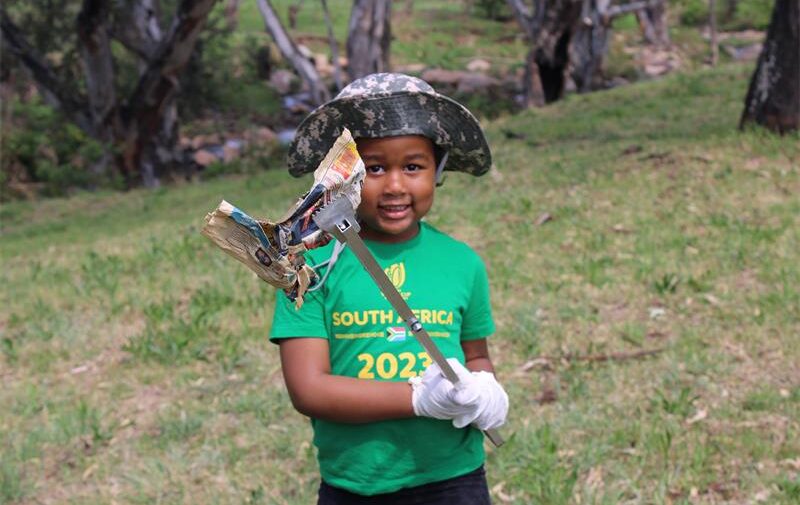

The assessment considers organisms including worms, dragonflies and more sensitive species such as mayflies and caddisflies. While some aquatic organisms can survive in heavily impacted waterways, others are highly sensitive to changes in water quality and disappear when conditions deteriorate.
The assessment found only one group of sensitive taxa – mayflies – while most of the organisms identified were species that can tolerate environmental changes. The river recorded a score of 4.3, placing it in the very poor category.
“This means that our river is critically modified or affected by the environmental changes or whatever activities are occurring along our river,” Mbangata said.
“The findings highlight that the problem facing the Braamfontein Spruit goes beyond the rubbish that can be picked up during a clean-up.”
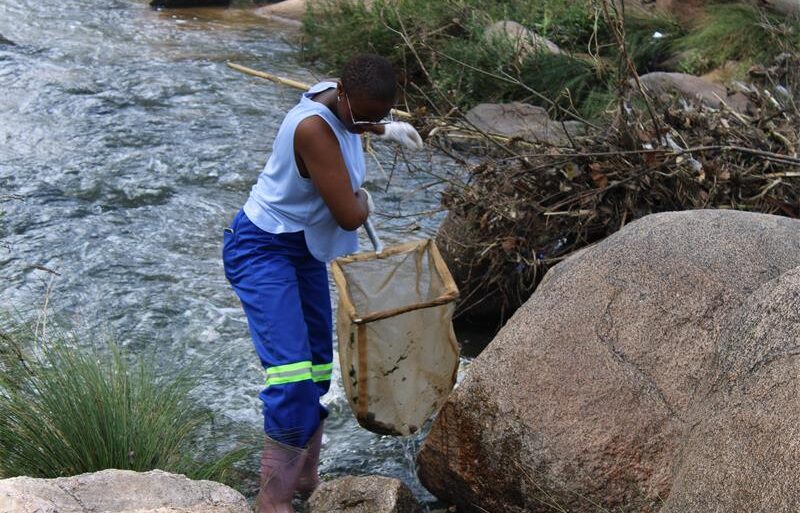
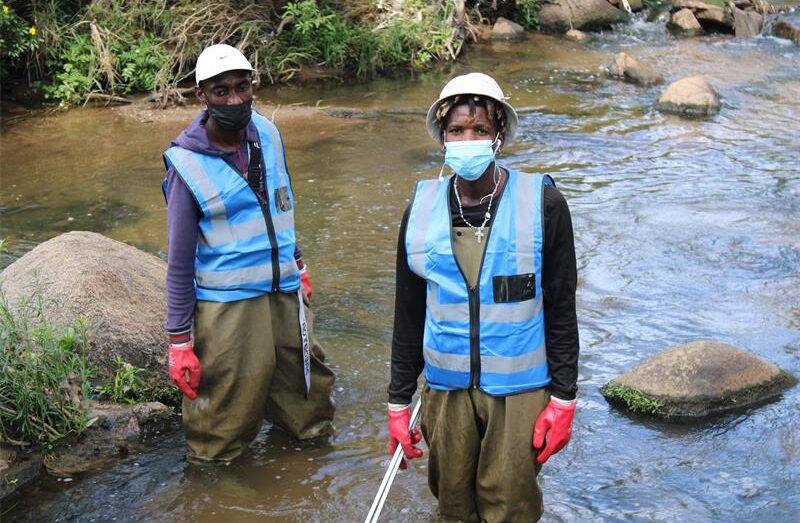
She added that improving urban river health requires communities to address pollution sources rather than relying solely on one-off clean-up campaigns.
Also read: Kew residents clean-up Corlett Drive in commemoration of Youth Day
She said urban rivers across Johannesburg are particularly affected by pollution, making community education essential.
“If we can firstly get rid of the source of pollution, then we can be able to move towards the next steps, meaning trying to find better solutions on how we can make sure that we limit the litter pollution or just get rid of it totally.”
Mbangata believes residents, organisations and community members must change how they treat urban waterways.
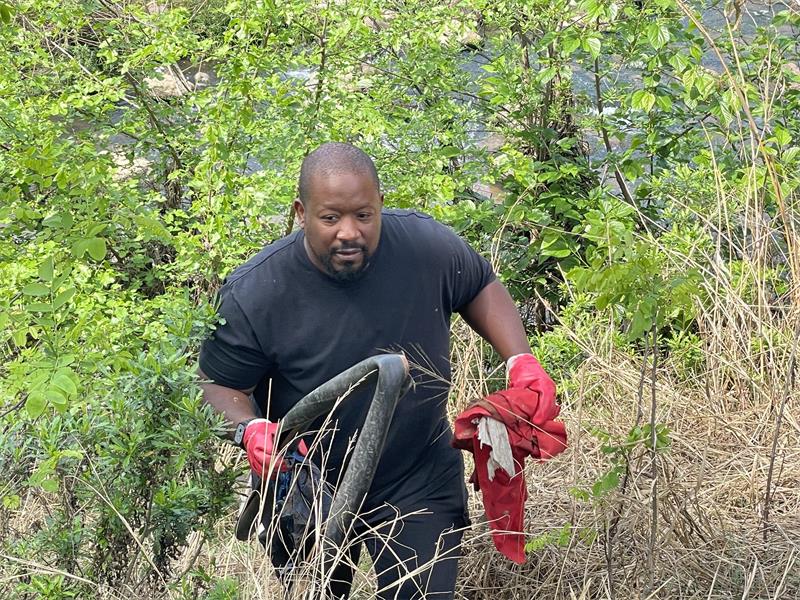
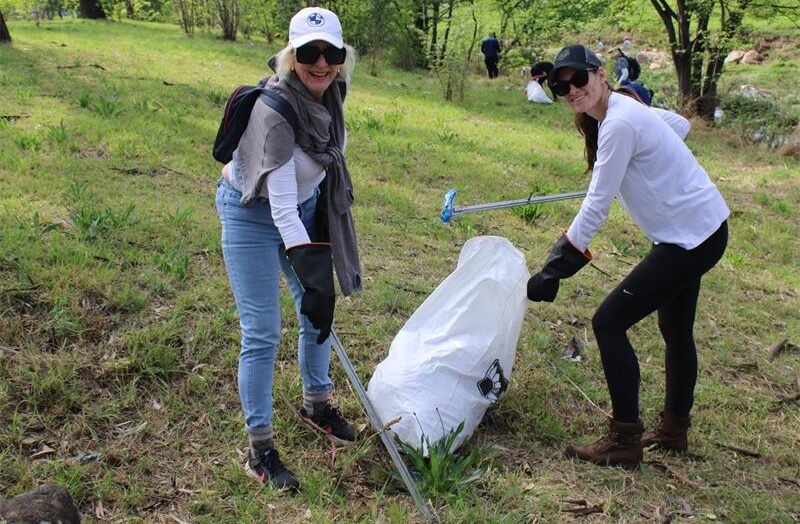
“After that is done, then our rivers can be able to recover from whatever pollution is happening or whatever activities were affecting the river health. We are the source of the pollution,” she said.
She added that rivers must be viewed as vital ecosystems supporting wildlife and communities rather than simple channels carrying water through the city.
The lack of sensitive aquatic species suggests some organisms can no longer survive in the river. “If our rivers are no longer healthy, then that means some of our animals will die,” Mbangata warned.
Community Hours CEO Sarah Welton-Blake said the section was selected because it is manageable for volunteers and forms part of an area regularly maintained by Hlanzekile Rivers and Oceans Cleaning.
“The important thing is that if we can catch sections of the river and keep small sections clean, hopefully, over a duration of time, we’ll be able to do this in incremental pockets and clean the river in its totality,” Welton-Blake said.
Follow us on our Whatsapp channel, Facebook, X, Instagram, and TikTok for the latest updates!