
5 SA women entrepreneurs win funding in Sandton tech programme
From township spaza shops to rural farms, five local innovators are scaling homegrown tech solutions with fresh capital and mentorship.
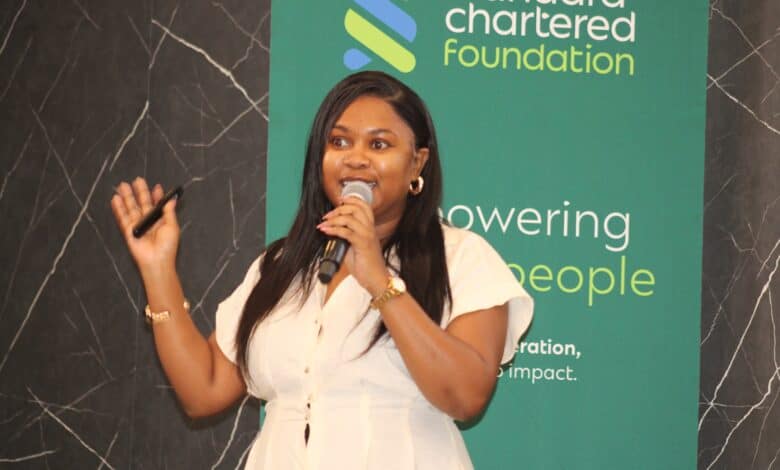
Five South African women entrepreneurs have each received US$10 000 (R175 000) to scale their technology businesses after emerging as top performers in a 12-week Sandton-based programme.
The five businesses emerged as the top winners from a group of 16 female-led ventures that participated in the 12-week programme, which concluded with a three-day demo day and prize-giving event in Sandton.
The initiative, run in partnership with WomHub, provides funding, business development support and mentorship to women building technology-driven businesses.’
Read more: Business leader urges youth to build their own future
Traders and spaza shops
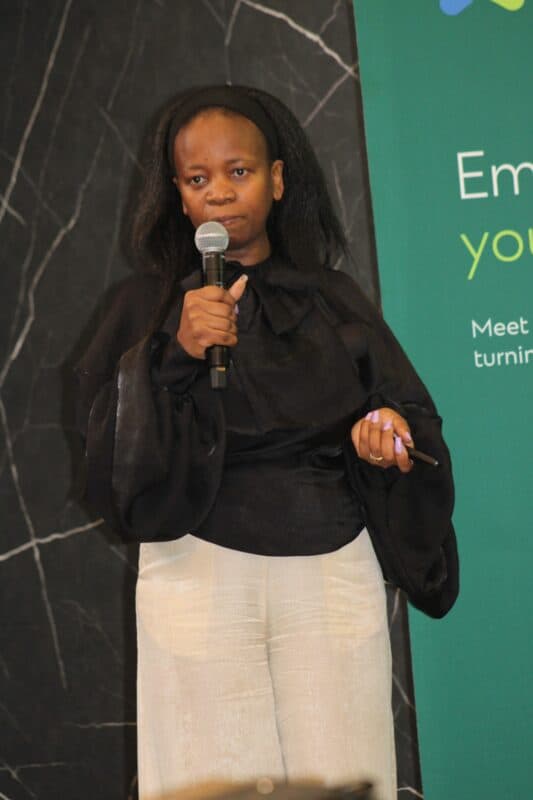
Among the winners was Yolanda Lekota, founder of Philadi Capital, whose Hustle to Business programme helps informal traders digitise their businesses and access financing through an alternative credit profiling system. Lekota plans to use the funding to onboard another 500 informal traders onto the platform, with the aim of generating 500 jobs, R150 000 in direct revenue and unlocking R5m in trader funding.
Entrepreneurship is a lonely journey, Lekota says, adding that having a mentor and 12 months of coaching is invaluable as the business scales.
Also read: Trader Academy graduates 75 youth entrepreneurs
Another winner, Thandiwe Shema, is using technology to support township businesses through Jalusi Tech’s Smart Spaza division.
The platform combines point-of-sale technology with a digital marketplace designed to help local traders increase their earnings. The funding will support the business ahead of its planned commercial launches in 2027 alongside Vodacom and KitKat. “We’re not just looking at providing a point-of-sale solution to township businesses; we want to see them make more money through the marketplace, a feature built into the product,” said Shema.
Rural connectivity, healthcare and farming
Connectivity is another challenge being addressed by one of the winning businesses.
Lineo Sibisi’s Moruo Telecomms provides fibre-to-the-home, fibre-to-the-business and wireless network infrastructure to underserved township and rural communities in the Free State. The funding will help expand its physical network capacity and support more installations.
In the healthcare sector, Neliswa Jilimba leads Yvonne Health, an emergency response platform that connects public and private emergency medical services providers, patient transport services and first responders through WhatsApp, a website and a mobile application.
Jilimba said the funding would help make the product more accessible to customers.
“For me, it’s just about improving my community’s lives and making a positive impact where we possibly can,” she said.
The fifth winning business, Vergric Roots, was co-founded by Nwabisa Mpiyehlika in the Eastern Cape. Its digital agricultural marketplace uses accessible technology, including WhatsApp, to connect rural smallholder farmers directly with buyers. The platform aims to reduce farmers’ dependence on middlemen and limit post-harvest losses. “With this money, we are going to be able to onboard more farmers, keep the platform up and running, and grow a small business that we see real potential in,” said Mpiyehlika.
Programme structure and leadership views
The 16 participating founders completed a 12-week programme that included business development, financial coaching, leadership training, individual mentorship and venture clinics with industry experts. They also gained access to African investors and WomHub’s global network, with the five winners receiving a further 12 months of dedicated mentorship and coaching.
Standard Chartered South Africa CEO Chris Egberink said supporting women in technology was an important economic priority, noting that the programme aims to bridge the capital and mentorship gap for women founders.
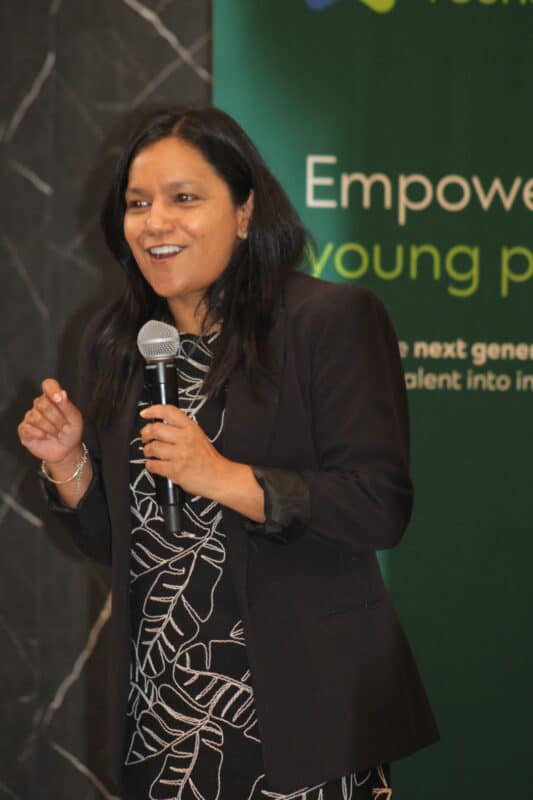
WomHub CEO Anjani Harjeven said the businesses were addressing structural challenges while building opportunities for economic growth and job creation.
The Standard Chartered Women in Tech initiative was established in 2014 and has expanded to 17 international markets, supporting more than 4 000 female entrepreneurs globally. Its South African programme launched in 2023.
Follow us on our WhatsApp channel, Facebook, X, Instagram and TikTok for the latest updates!