Forest Farm residents vote for a future where ability comes before disability
Residents used the November 3 special voting day to cast their votes and voice their needs to the upcoming leaders.
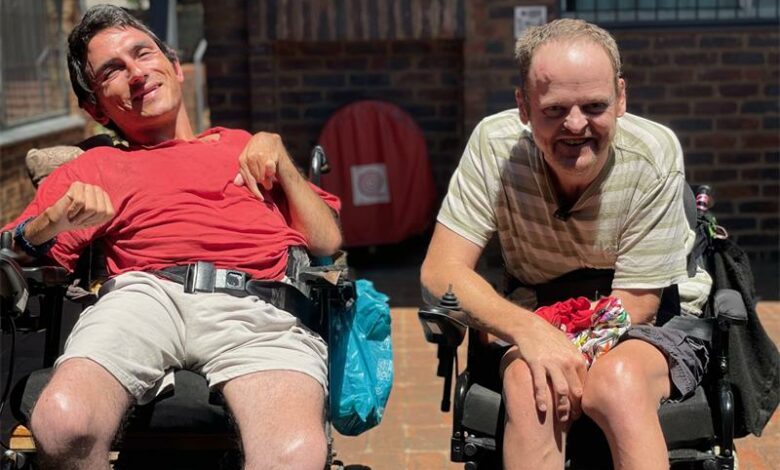
For residents at Forest Farm Centre for Cerebral Palsied Adults in Bryanston, casting a vote was about more than choosing the next political leaders.
It was an opportunity to demand a future in which their abilities are recognised, their talents are developed, and their voices are taken seriously.
Read more: Parkmore Community Association transforms Shandon Way Park for Halloween fundraiser
As the Electoral Commission of South Africa (IEC) brought special voting to the centre on November 3, residents made their democratic voices heard, highlighting the need for greater inclusion, employment opportunities and meaningful change for people living with disabilities.
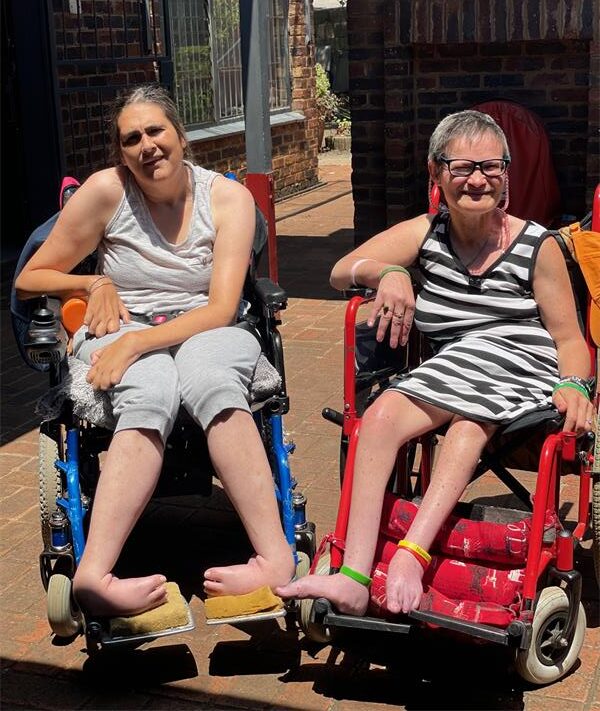
Resident Lorraine Fainter said she hoped the elections would mark a turning point for people with disabilities, who she felt had not experienced enough progress. “I want our lives as people with disabilities to change because I haven’t seen much change happening in this country. I’m hoping for better change for us,” she said.
Fainter identified employment opportunities and the fight against corruption as important priorities, saying these were necessary to improve the lives of people living with disabilities.
Another resident, Orion Thompson, also hoped the election would bring a positive shift. “Hopefully, it’s a dramatic change, a step in the right direction,” he said. He added that people with disabilities needed leaders who could give them hope, brighter prospects and a sense of direction.
Also read: Community members tackle alien plants at Bryanston park
While residents used their votes to express their hopes for change, Forest Farm general manager Heather Dietrich said the incoming leaders needed to look beyond disability rights and recognise the potential of people living at the centre.
Dietrich called for increased government investment in skills development, explaining that residents had abilities and strengths that could be developed if the necessary resources were made available.
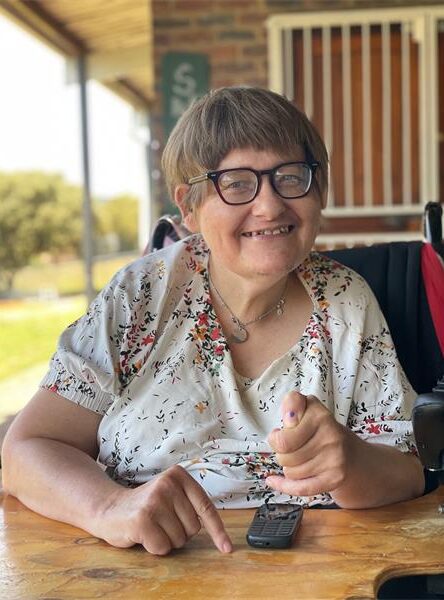
“Although they may be in a home and in wheelchairs, they’re actually quite good with their hands and their minds. They can think, but there’s no funding for that,” she said.
She said the lack of adequate funding for skills development meant residents were not always given the opportunity to explore their abilities and reach their potential.
Dietrich also highlighted the need for government to establish closer relationships with residential care facilities, arguing that its responsibility should extend beyond financial assistance.
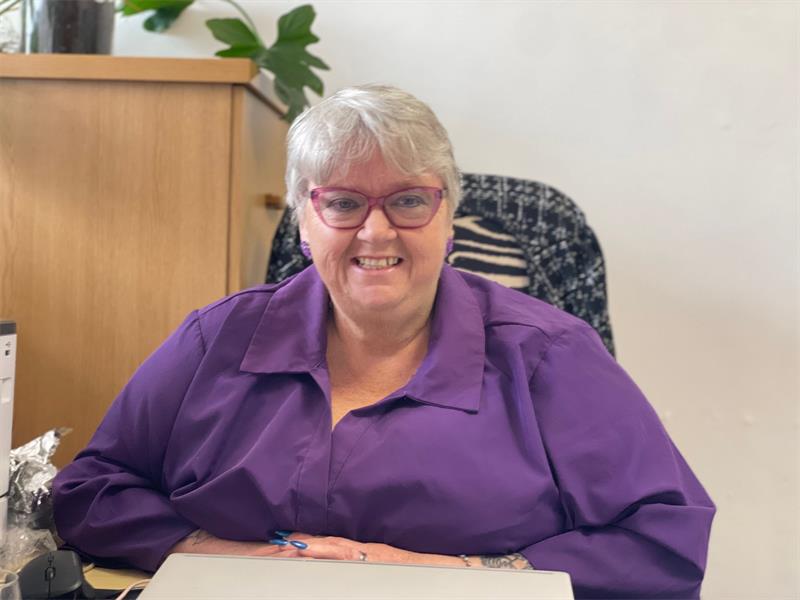
“To me, it looks like we get funding from the government, but that’s where it ends. There’s no other interaction. They don’t take part in the homes. They don’t come and visit us. So whichever party comes in, we hope that this is something they’re going to look at.”
Follow us on our Whatsapp channel, Facebook, X, Instagram and TikTok for the latest updates!