
Contributions of Black Disabled People to the Disability Movement should be recorded accordingly
Racism has always been a pervasive issue within the disability sector.
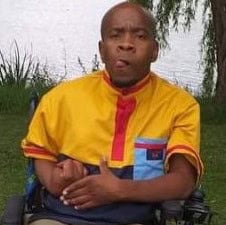
SEDIBENG.- As we celebrate Black History Month every February, it is essential to acknowledge the contributions of Black disabled people to the disability movement. Despite facing the dual oppressions of racism and ableism, Black disabled people have played a crucial role in shaping the disability rights movement, both in South Africa and globally.
One notable example of the contributions of Black disabled people is the establishment of Disabled People South Africa (DPSA) in 1984 which turned 40 years of existence last year. DPSA was formed to unite Black disabled people and promote cross-disability solidarity, recognizing that disability is not limited to physical impairments but also includes sensory, cognitive, and mental health disabilities. DPSA’s founding was a significant milestone in the disability rights movement, as it provided a platform for Black disabled people to organize, advocate, and demand their rights.
Bearing in mind also that the history of Black disabled people’s contributions to the disability movement is not limited to organizational milestones. Many Black disabled individuals have become disabled as a result of apartheid violence, forced removals, and other forms of systemic oppression. For example, the Sharpeville massacre in 1960, where police opened fire on unarmed Black protesters, left many people injured and therefore became disabled. Similarly, the Soweto uprising in 1976, where students protested against the imposition of Afrikaans as a medium of instruction, resulted in widespread violence and disabilities.
Irrespective of hiccups, Black disabled people have continued to contribute to the disability movement, often in the face of overwhelming obstacles. They have fought for accessibility, equality, and justice, demanding that their voices be heard and their rights be recognized.
However, racism has always been a pervasive issue within the disability sector. Black disabled people have often been marginalized, excluded, and silenced within disability organizations and movements. This has resulted in a lack of representation, inadequate resources, and insufficient support for Black disabled people.
In this Black History Month, it is essential that we acknowledge and address these issues. One possible solution is to increase representation and leadership of Black disabled people within disability organizations and movements. This can be achieved through targeted recruitment, training, and capacity-building programs.
Adding to the mentioned. disability organizations and movements must prioritize intersectionality, recognizing that disability is intertwined with other forms of oppression, including racism, sexism, and classism. This requires a commitment to anti-racist and anti-oppressive practices, policies, and procedures.
In conclusion, it is crucial that we raise the voices and stories of Black disabled people, particularly those who have been historically marginalized and excluded. By centering their experiences and perspectives, we can work towards a more inclusive and equitable disability movement.
(Opinion piece by Lucky Tumahole, a Disability Advocate)