The political disconnect between disabled people organisations and special schools in the Vaal
In the Vaal, the lack of special schools that offer mainstream education is not just a logistical gap, it is a political failure.
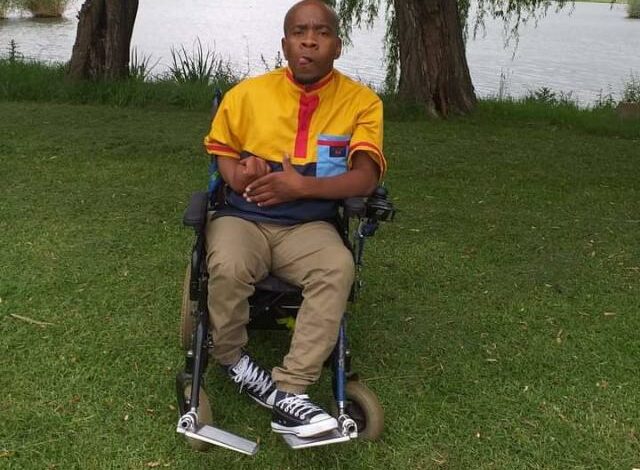
SEDIBENG.- Disabled People Organizations (DPOs) have long positioned themselves as the vanguard of disability rights, advocacy, and empowerment.
Their role in shaping public discourse, influencing policy, and mobilizing communities has been instrumental in advancing the rights of disabled individuals across South Africa. Yet, when it comes to supporting special schools, particularly those that aim to integrate disabled youth into mainstream education, their silence has been deafening.
This disconnect is especially troubling in places like the Vaal, where the absence of special schools offering mainstream curricula has left disabled children with few options but to seek education outside their communities.
The real problem lies in the ideological rigidity of some DPOs, especially those mandated to conscientize disabled youth. Instead of embracing a pluralistic approach to education, one that includes both inclusive mainstream schools and specialized institutions, many DPOs have adopted a narrow stance that views special schools as relics of segregation.
This binary thinking, rooted in a historical resistance to institutionalization, ignores the nuanced realities faced by disabled learners, particularly those with high support needs who may thrive in environments tailored to their educational and therapeutic requirements.
While the critique of special schools as exclusionary is valid in certain contexts, it becomes counterproductive when applied indiscriminately.
Not all special schools are designed to isolate; some are actively working to bridge the gap between specialized support and mainstream curricula. By dismissing these institutions wholesale, DPOs risk alienating the very communities they claim to represent.
In the Vaal, the lack of special schools that offer mainstream education is not just a logistical gap, it is a political failure. While institutions like Destinata School in Meyerton provide support for specific learning disabilities, they do not fully address the broader need for inclusive, mainstream-aligned education within the region. The Sedibeng District of Education, despite being part of Gauteng’s broader inclusive education strategy, has yet to establish a clear stance or actionable plan to remedy this absence.
This vacuum raises pressing questions: Are disabled children from the Vaal expected to continue commuting long distances for education? Is the burden of access being shifted onto families already navigating systemic barriers? And more fundamentally, whose responsibility is it to ensure that every child, regardless of ability, has the right to quality education close to home?
South Africa’s Inclusive Education Policy, rooted in the White Paper 6 (2001), envisions a system where all learners are supported within mainstream settings. However, the implementation has been uneven, particularly in under-resourced districts like Sedibeng. The policy’s emphasis on inclusion has, in some cases, led to the unintended consequence of deprioritizing the development of specialized schools that could serve as transitional or complementary spaces for learners with complex needs.
This paralysis is compounded by institutional apathy. The lack of coordination between the Department of Education, DPOs, and local stakeholders has created a fragmented landscape where disabled learners fall through the cracks. Without a coherent strategy that balances inclusion with specialization, the promise of educational equity remains unfulfilled.
This situation demands a reckoning, not just from the Department of Education, but from DPOs, parents, educators, and civil society within the Vaal. DPOs must revisit their vision and recognize that supporting special schools is not antithetical to inclusion; rather, it is a necessary step toward educational equity.
Inclusion should not be a dogma, it should be a flexible, responsive framework that adapts to the diverse needs of learners.
Parents, too, must become active participants in this dialogue. Their lived experiences, frustrations, and aspirations are critical to shaping a more responsive education system. Advocacy must move beyond policy critique and into grassroots mobilization, demanding not only access but quality and proximity.
The political inertia surrounding special education in the Vaal is not merely a policy oversight, it is a reflection of deeper ideological fractures within the disability rights movement. Until DPOs embrace a more inclusive and pragmatic stance, and until Sedibeng District commits to building local solutions, disabled children in the Vaal will remain educational exiles in their own communities.
Bridging this divide requires courage, collaboration, and a willingness to challenge entrenched narratives. It demands that we listen to disabled learners, not as symbols of a movement, but as individuals with unique needs, dreams, and rights. Only then can we build an education system that truly leaves no one behind.
Lucky Tumahole – Disability Advocate