SEDIBENG.- Disability equity refers to the fair and just treatment of disabled people, ensuring that they have equal access to opportunities, resources and participation in society.
Within the disability sector, equity means dismantling systemic barriers that prevent disabled people from exercising their rights fully, whether those barriers are attitudinal, institutional or structural.
Outside the disability sector, disability equity is about embedding inclusion into broader social, political and economic frameworks, so that disability is not treated as a marginal issue but as a central dimension of justice. Unfortunately, progress toward disability equity has been delayed by two forces: single-disability Disabled People’s Organisations (DPOs) and the persistence of the medical model of disability.
Single-disability DPOs often fragment the disability movement by focusing narrowly on one impairment. While they may achieve gains for their specific constituency, they inadvertently reinforce divisions within the sector.
This siloed approach weakens collective bargaining power and undermines the broader struggle for systemic change.
The medical model of disability positions disability as an individual problem to be treated, cured or managed.
It reduces disabled people to patients rather than citizens and in doing so, it delays equity by shifting attention away from social transformation. The medical model competes directly with the social model of disability. Where the medical model sees impairment as the root of exclusion, the social model identifies attitudinal and environmental barriers as the true obstacles. The medical model insists on fixing bodies; the social model insists on fixing societies.
Disability equity cannot be achieved under the dominance of the medical model because it perpetuates dependency and paternalism rather than empowerment and rights.
To champion disability equity, disabled people must move beyond impairment-based identities. Identifying primarily by impairment, whether blind, deaf or mobility-impaired, reinforces divisions and weakens solidarity. Instead, disability must be understood as a collective identity, one that unites people in tackling attitudinal prejudice, inaccessible environments and discriminatory policies.
This requires tolerance and understanding of each other’s impairments. Equity demands that disabled people recognise their shared struggle against exclusion, rather than competing for recognition or resources.
Only through solidarity can the disability sector become politically unavoidable.
Gender adds another layer of complexity to disability equity. Disabled women, in particular, face compounded discrimination, both from patriarchal structures and from within the disability sector itself. Their voices are often marginalized, and their experiences of violence, economic exclusion and reproductive injustice remain under-addressed.
Disability equity must therefore be intersectional, ensuring that gender justice is inseparable from disability justice. Without centering disabled women, the movement risks replicating the very inequities it seeks to dismantle.
Disability equity is not a distant aspiration; it is a political necessity.
To achieve it, the disability sector must reject fragmentation, challenge the medical model and embrace the social model as the foundation of justice. Unity is the only path forward, unity that transcends race, ethnicity, gender and age. Disabled people must stand together, not as separate impairment groups, but as a collective force demanding transformation.
The call is clear: disability equity will only be realised when the sector unites in purpose, amplifies the voices of the most marginalized and insists that society dismantle the barriers that exclude.
Only then will disability equity move from rhetoric to reality.
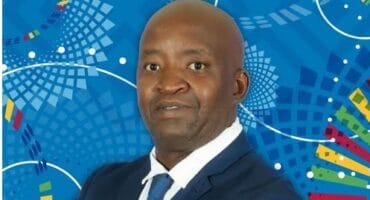
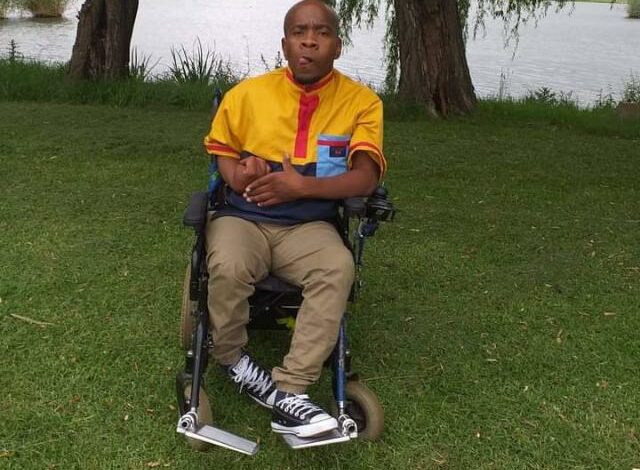
(Lucky Tumahole is an advocate for the disabled. This is his opinion piece)