ELM service delivery disaster continues despite R96m spent: DA
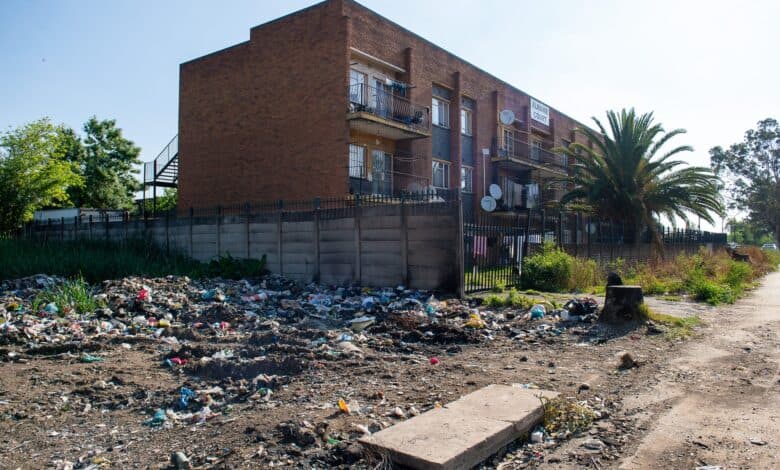
Emfuleni has failed to upgrade these communities.
SEDIBENG.- The DA has uncovered that Emfuleni Local Municipality (ELM), alongside the Gauteng Department of Human Settlements, has spent approximately R96m on service delivery, without any meaningful progress.
Kingsol Chabalala, the DA’s ELM mayoral elect, discovered the spending after posing questions in the Gauteng Provincial Legislature regarding budget allocations.
The provincial department had supported the local municipality in upgrading informal settlements through a special partnership grant, appointing service providers to deliver sanitation, electricity, and formalisation.
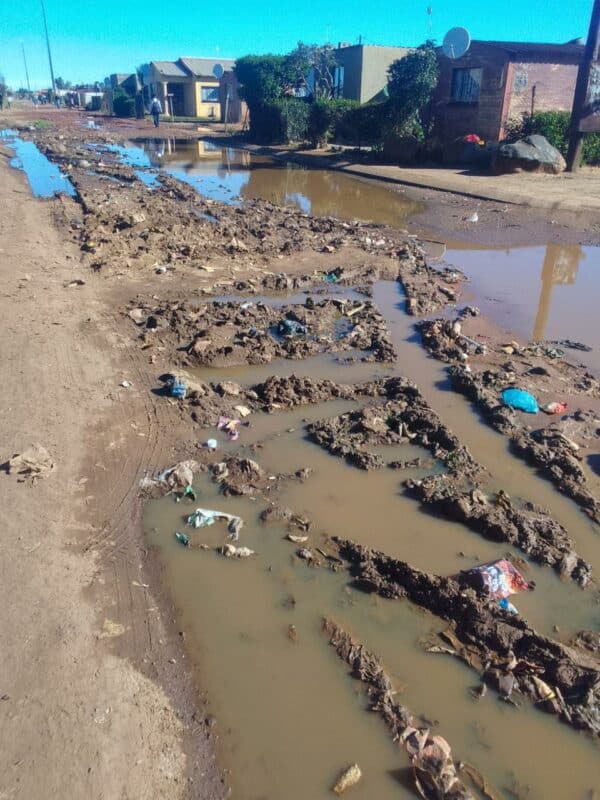
However, Chabalala stated that Emfuleni has failed to upgrade these communities. He noted that informal settlements, including Azania, Hollywood, Marikana, and Moscow, still suffer from poor living conditions and lack basic services like water and electricity.
Chabalala added that because there are no visible improvements despite the exorbitant sum spent, there are suggestions of gross financial mismanagement, administrative incapacities, inflated or irregular contracts, and potential corruption by officials.
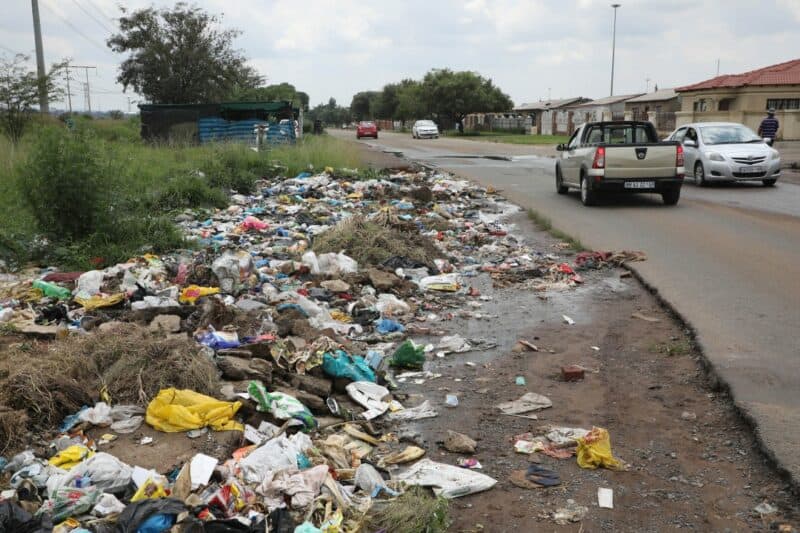
“Several projects were listed as completed despite the ongoing lack of service delivery to residents. This raises concerns about the procurement processes, oversight, monitoring, and value for money of the projects,” he said.
In response to the situation, the Gauteng Provincial Government (GPG) has reaffirmed its commitment to supporting interventions that will restore stable water and sanitation services in the municipality. This follows submissions made during ongoing South African Human Rights Commission hearings into water challenges in Gauteng.
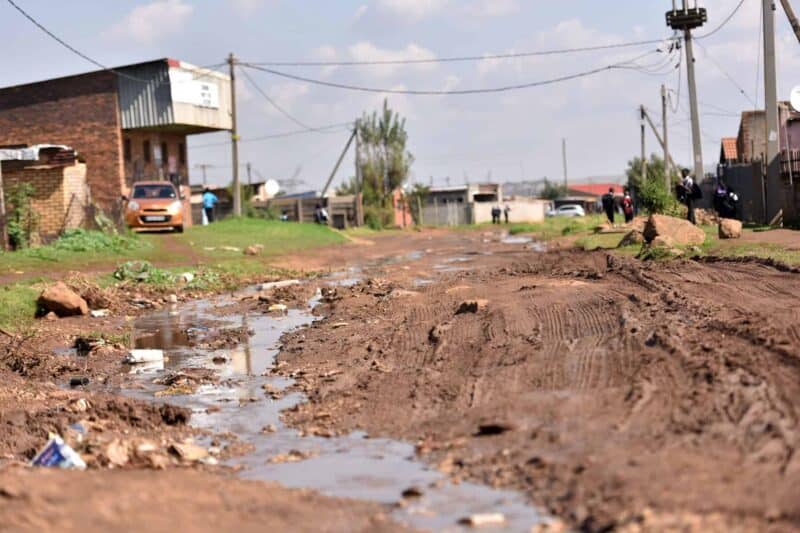
During the hearings, ELM Municipal Manager April Ntuli outlined the severe infrastructure and financial challenges facing the area. These include aging infrastructure, sewer spillages, intermittent water supply, illegal water connections, electricity outages, and non-revenue water losses estimated at roughly 70%.
Ntuli explained that these losses place massive pressure on municipal finances and harm the ability to pay Rand Water, meaning revenue from rates and taxes is often redirected to cover water obligations.
Water challenges acknowledged
To cope with these challenges, Ntuli explained that the municipality has spent about R79m over the past five years on interventions to provide relief to 33 informal settlements that lack proper infrastructure. He outlined current recovery measures, which include infrastructure rehabilitation, better operational interventions, stronger human resource capacity, and a long-term water and sanitation master plan.
He also noted that, additionally, the establishment of the Vaal Corporation Water Utility, a Special Purpose Vehicle, will manage, operate, and rehabilitate water and sanitation services within ELM.
The utility is expected to become operational on July 1.
During the ongoing South African Human Rights Commission hearings into Gauteng water challenges, Ntuli also acknowledged improvements since the implementation of Section 63 under the Water Services Act.
“The Gauteng Provincial Government remains committed to working with municipalities, water entities, and all stakeholders to accelerate infrastructure renewal, reduce water losses, improve revenue management, and ensure communities receive reliable access to clean water and dignified sanitation services,” provincial government spokesperson Elijah Mhlanga said.