Disabled people’s representation in the Media and Arts
TikTok has become a stage where disabled people could tell their own stories.
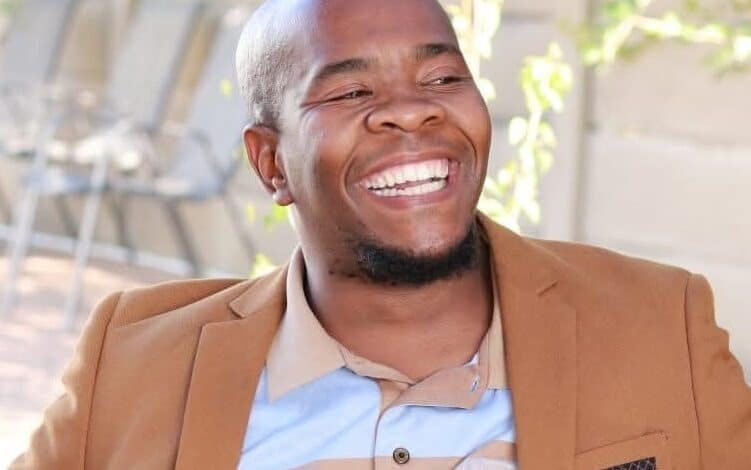
SEDIBENG.- The portrayal of disabled people in film, literature and music has long been a mirror of society’s prejudices and possibilities.
Too often, disability has been framed through tropes of pity, tragedy or inspiration, flattening complex lives into one-dimensional narratives. In cinema, disabled characters have historically been cast as villains, victims or symbols of resilience for non-disabled audiences, rather than as full human beings with agency. Literature, while offering more nuanced explorations, has also leaned on metaphors of disability as moral weakness or spiritual burden.
Music, in turn, has sometimes celebrated disabled artists only when their talent is seen as “overcoming” impairment, rather than simply existing as artistry in its own right. These portrayals shape public consciousness, reinforcing stereotypes or, when challenged, opening doors to empathy and recognition.
Yet advocacy has reshaped this terrain.
Disabled bodies are not bound by physical limitations…
Animation, in particular, has emerged as a powerful medium to reimagine disability. Unlike live-action film, animation allows creators to craft worlds where disabled bodies are not bound by physical limitations but are instead represented with creativity, dignity and imagination. Through animated storytelling, disability can be normalized, celebrated and integrated into diverse narratives without being reduced to a plot device.
One figure who profoundly changed the animation industry is Matt Fraser, a disabled actor and artist who lent his voice and presence to animated projects, challenging the invisibility of disabled performers in this field. His work demonstrates how animation can amplify disabled voices and shift cultural narratives from exclusion to empowerment.
Disabled people have fought fiercely to claim space on social media platforms
The struggle for representation has not been confined to traditional media.
Disabled people have fought fiercely to claim space on social media platforms such as TikTok. Initially, algorithms and community guidelines often marginalized disabled creators, flagging their content or burying it under ableist assumptions. But through collective resistance, disabled activists and influencers carved out digital communities that celebrate disability culture, humour and advocacy.
Disabled people speak for themselves…
TikTok became a stage where disabled people could tell their own stories, unfiltered by gatekeepers and connect globally in ways that traditional media never allowed. This fight was not just about visibility. It was about reclaiming narrative power, ensuring that disabled people are not spoken for but speak for themselves.
Representation in media and art is not a passive reflection of society, it is an active battleground. Disabled people have challenged stereotypes in film, literature and music, reshaped narratives through animation and fought for digital presence on platforms like TikTok. Their struggle reveals a truth and this truth is that visibility is political and art is a weapon in the fight for liberation.
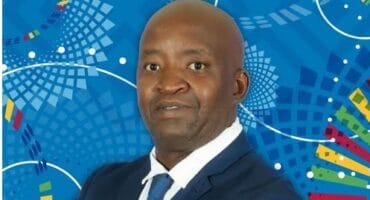
Lucky Tumahole – Disability Advocate and Political Writer. He writes here in his owns capacity.