Be safe this holiday season
Some water safety tips when taking to the water this festive season - they could save your life.
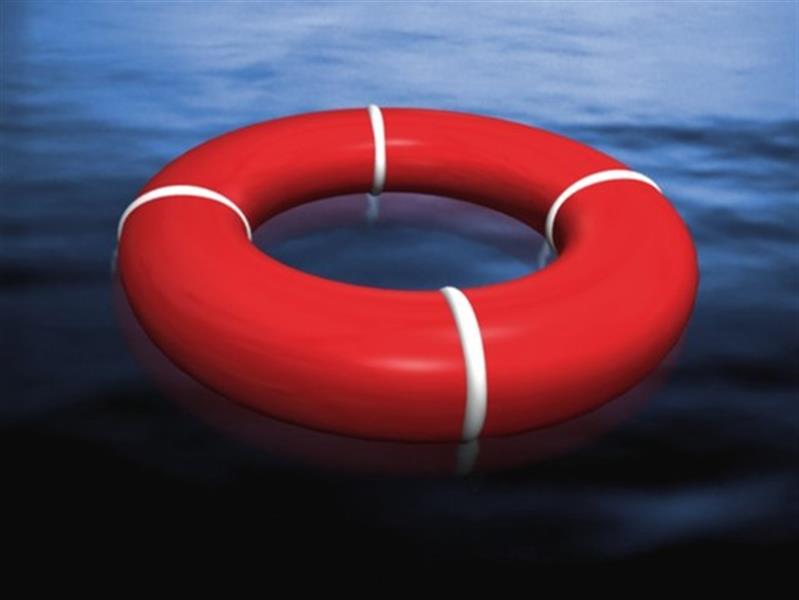
DROWNING is one of the leading causes of accidental death among children in South Africa.
With the dawn of the December school holidays, many people will be heading for a swim at the beach or local swimming pools.
It is easy to get excited and forget about safety. If you’re planning to go swimming during the holidays, go through some water safety tips with everyone in your family and make sure they stick to them.
Beach Safety:
The following tips should be borne in mind:
*Knowing how to swim is an important skill that everyone should have. Find out from your local council if there are services offering free swimming lessons;
*Swim with a buddy – Swim with someone who is a good swimmer.
*Never go into deep water unless you are an experienced swimmer.
*Swim where lifeguards are on duty just in case anything happens.
*Bathers are urged to swim within designated bathing areas, marked with red and yellow flagged beacons.
*Swimming hours are from 6am to 6.30pm and swimming at night is dangerous as there are no lifeguards on duty then.
*Swim or take part in water sports when you are alert, never when you’re sleepy or have used drugs or alcohol.
*Keep a look out for your friends – If you’re a good swimmer but your friends aren’t, make sure they know their limits, and keep an eye on them in the water.
*Don’t drink and swim – drinking alcohol (or using drugs) dramatically increases the risk of injury – especially when diving.
*If a large wave approaches you and there is not enough time to get away from it, try to dive underneath the wave. Keep your body as low as possible until the wave passes over you.
*Never leave a young child unattended near water and do not entrust a child’s life to another child.
*Teach children to always ask for permission to go near water.
*If a child is missing, check the water first. Seconds count in preventing death or disability.
*Steer clear of animal life like jellyfish and stingrays.
*Always keep swimming pools covered with a safety net or cover.
*Never swim straight after you have eaten. Wait at least 40 minutes.
*Be wise and remember, water is dangerous – even if you know how to swim.
Source: www.kznhealth.gov.za
Be aware of rip currents. A rip current looks like a river of water flowing out to sea. You can easily spot the rip current – it is the place in the line of waves were there is no wave breaking, and if you throw a stick into the water it will be pulled out to sea.
WHAT DO YOU DO WHEN CAUGHT IN A RIP CURRENT?
Do not panic.
Do not try to swim against the current. You will only get tired if you try to fight the current and swim against it.
As hard as it sounds let the current take you out to sea.
If you can, tread water … or turn on your back and float.
Raise one arm in the air and wave for help to alert the people on the beach that you are in trouble.
The further the rip current goes out to sea the weaker it will get. Swim parallel to the beach, out of the current and then use the waves to help you get back to the breach.
Remember rip currents are at their strongest for a few days leading up to spring tide and for a few days after spring tide.