World Health Day: Macrocosm or microcosm?
You can use World Health Day to consider disease in the world or zoom in on your own health.
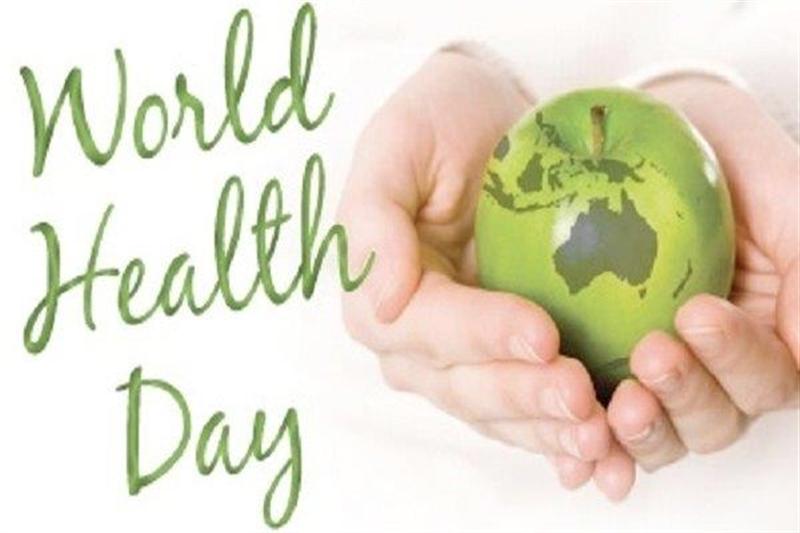
WORLD Health Day is celebrated on April 7 every year to mark the anniversary of the founding of the World Health Organisation (WHO) in 1948.
Each year a specific theme is chosen and a certain disease, or set of diseases, is brought to the notice of the world at large. People are encouraged to think about diseases which they will probably never encounter but which are endemic to some other part of the world. This year’s theme is vector-borne diseases, which come pretty close to home as far as we are concerned.
Arthropods form a major group of disease vectors with mosquitoes, flies, sand flies, lice, fleas, ticks and mites transmitting a huge number of diseases. Many such vectors are haematophagous, which feed on blood at some or all stages of their lives. When the insects blood feed, the parasite enters the blood stream of the host.
The anopheles mosquito, a vector for malaria, inserts its delicate mouthpart under the skin and feeds on its host’s blood. The parasites the mosquito carries are usually located in its salivary glands (used by mosquitoes to anaesthetise the host). Therefore, the parasites are transmitted directly into the host’s blood stream.
(Information from Wikipedia)
Malaria, kills over 1.2 million people annually, mostly African children under the age of five.
Poorly designed irrigation and water systems, inadequate housing, poor waste disposal and water storage, deforestation and loss of biodiversity, all may be contributing factors to the most common vector-borne diseases including malaria.
Integrated Vector Management strategies are designed to achieve the greatest disease control benefit in the most cost-effective manner, while minimising negative impacts on ecosystems and adverse side-effects on public health from the excessive use of chemicals in vector control.
Rather than relying on a single method of vector control, IVM stresses the importance of first understanding the local vector ecology and local patterns of disease transmission, and then choosing the appropriate vector control tools, from the range of options available.
(Information from the WHO website)
Ponder on pestilence or flex your muscles – the choice is yours.