Rare, poisonous lizards born at reptile park
The beaded lizard is erroneously believed to be more venomous than a rattlesnake.
THEY are tiny, beautiful, rare, threatened and venomous – and their safe arrival into the world, after a six-month wait, is cause for celebration.
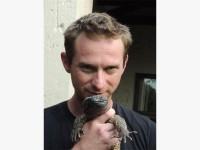
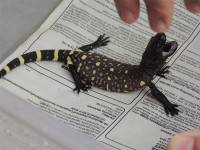
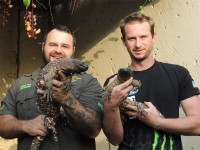
These fascinating little creatures are the first beaded lizards – or Heloderma horridum as they are called in scientific circles – ever to be born at the Pure Venom Reptile Park in Izotsha although their parents have been residents there for about eight years.
There has been one previous but unsuccessful breeding attempt between the pair, when the female was very young, but this is the first time the park has managed to hatch their eggs. According to the owner of the park, Terence Whittle, 11 eggs were laid this time round. One was infertile and six have successfully hatched. It is hoped the remaining baby lizards will soon emerge.
During their lengthy, six-month incubation period, the eggs had to be closely monitored and kept at a constant temperature.
“In the wild, the eggs are laid at the beginning of winter and only hatch in spring when the hatchlings will be assured of enough to eat,” said Pure Venom’s resident lizard expert Ryan Watson.
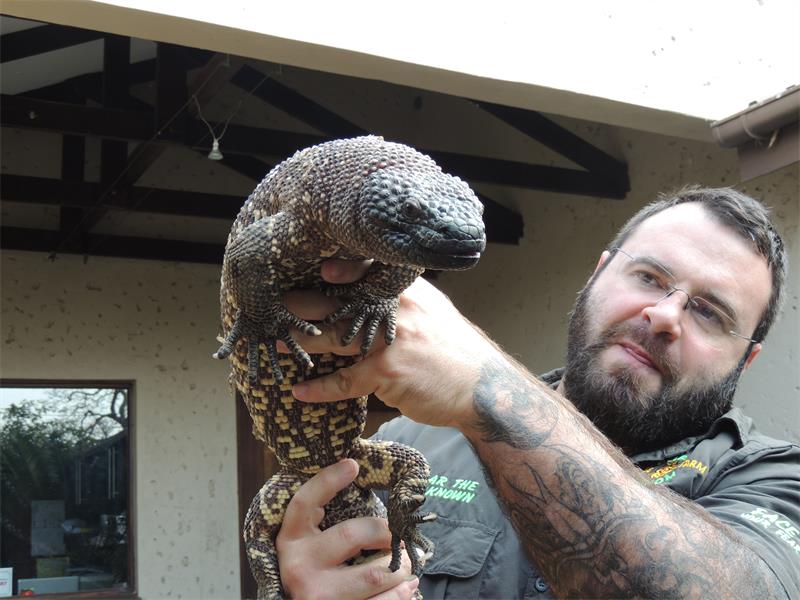
The beaded lizard, close relative to the better-known and more widely occurring gila monster (Heloderma suspectum), is well-named. At a glance the six new arrivals and their handsome, stocky parents could easily be mistaken for the bead and wire creations offered for sale by pavement craftsmen.
Their bodies are covered with strange, raised, beadlike scales. Their generic name aptly means ‘studded skin’ and if you touch them they even feel like they are covered with beads.
Predominantly black, they are prettily decorated with bands or spots of yellow ‘beads’. They have short plump tails and forked tongues, which they stick out of their mouths from time to time to smell.
These lizards and their gila monster cousins are unique in that they are the world’s only venomous lizards. Unlike snakes, which use their upper fangs to inject their victims with venom, they store their venom in glands in the lower jaw.
They chew their victims and the poison gets into the bloodstream from the wounds. Their poison is not all bad news, though. Scientists are developing medicine to treat diabetes from the proteins found in it.
Although they do sometimes swallow a small creature or two, the lizards feed mainly on eggs. At the reptile park Ryan often gives them their favourite treat, mashed up chicken’s egg, for breakfast.
Something else that sets them apart from other creatures is their noble, ancient lineage. Their ancestry can be traced back to the Cretaceous period.
“Their ancestors were around when dinosaurs strolled the earth,” said Ryan.
Perhaps the characteristic that really makes them special, though, is their extreme rarity. According to Ryan, these threatened, Cites-protected creatures only occur in two small areas in Mexico. They are also among the world’s least studied creatures.
In the wilds they face many threats, including habitat destruction and superstition. For instance, the beaded lizard is widely and erroneously believed to be more venomous than a rattlesnake. Their rarity, the lack of scientific knowledge about them and the many dangers they face in the wild make the newly hatched youngsters at Pure Venom even more precious.