Radiation made Chernobyl uninhabitable
However, studies conducted by various institutions affirm that there is a considerable amount of wildlife living in the area.
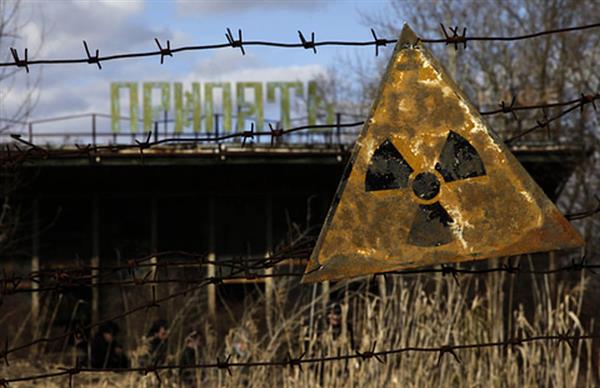
THE world’s worst nuclear accident to date occurred at the Chernobyl nuclear plant near Kiev in Ukraine on April 26, 1986. Experts believe that thousands of people died and as many as 70 000 suffered severe poisoning. In addition, they said, a large area of land might not be livable for as much as 150 years. The 30km radius around Chernobyl was home to almost 150 000 people, who had to be permanently relocated.
At first, the Soviet government acknowledged the death of two people. However, two days after the explosion, Swedish authorities began measuring dangerously high levels of radioactivity in their atmosphere.
Years later, the full story was finally released. Workers at the plant were performing tests on the system. They shut off the emergency safety systems and the cooling system, against established regulations, in preparation for the tests. Even when warning signs of dangerous overheating began to appear, the workers failed to stop the test. Xenon gases built up and at 1.23 am the first explosion rocked the reactor. A total of three explosions eventually blew the 1 000-ton steel top right off of the reactor.
Flames shot 300m into the air for two days, as the entire reactor began to melt down. Radioactive material was thrown into the air like fireworks. Potentially lethal rain fell as the fires continued for eight days. Dikes were built at the Pripyat River to contain damage from contaminated water run-off and the people of Kiev were warned to stay indoors as a radioactive cloud headed their way.
On May 9, workers began encasing the reactor in concrete. The clean-up effort and the general radioactive exposure in the region, however, would prove to be even more deadly. Some reports estimate that as many as 4 000 clean-up workers died from radiation poisoning. Birth defects among people living in the area have increased dramatically. Thyroid cancer has increased tenfold in Ukraine since the accident.
The area is still, 30 years later, an exclusion zone.
However, scientists and researchers are studying the effects of contaminated environments on animals. After decades of devastation due to nuclear radiation, they’ve found that Chernobyl now appears to be a refuge and breeding ground for wild animals, whose populations have shown an increase in numbers despite the contamination in the area.
According to National Geographic, these findings are significant to the rehabilitation of Chernobyl. In 1998, in an effort to study the viability of life in Chernobyl, some animals were released in the area. Scientists believe that species left there can survive and even reproduce. Today, there are moose, deer, beaver, owls, brown bear, lynx, and wolves in Chernobyl.
Marina Shkvyria, wolf expert at the Ukraine’s National Academy of Sciences, said part of the animals’ survival could be attributed to the lack of human beings hunting them. “These animals are probably the only positive outcome of the terrible catastrophe we had.”
The question now is, if animal life can return to the area, can people eventually repopulate the once barren wasteland and survive?
HAVE YOUR SAY
Like our Facebook page, follow us on Twitter and Instagram
For news straight to your phone, add us on BBM 58F3D7A7 or WhatsApp 082 421 6033