Invasives and natives: Swop your pepper for a pear
Apodytes dimidiata would be an ideal replacement for your Brazilian pepper tree.
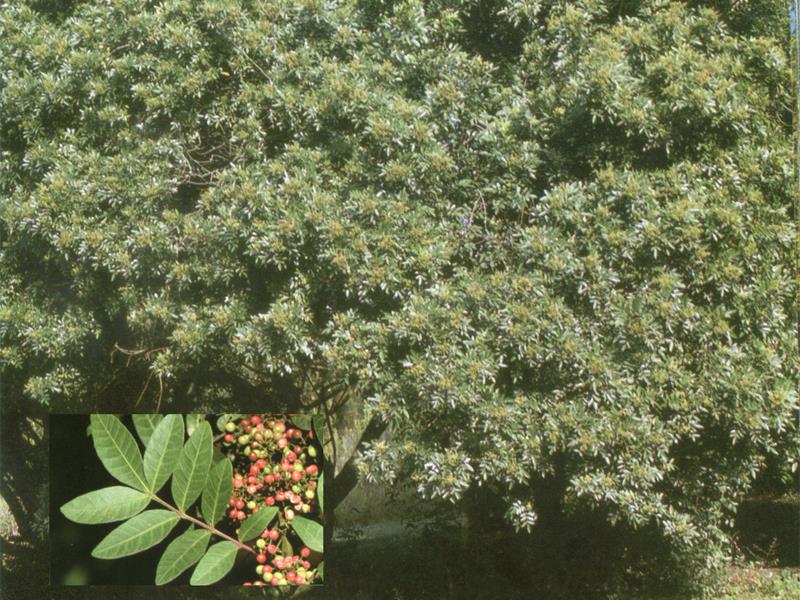
GARDENERS call it a Brazilian pepper tree, scientists call it Schinus terebinthifolius and South African conservationist call it a menace.
You will probably find plenty of these pepper trees growing, thriving and spreading their seeds in your neighbourhood as many gardeners are oblivious to the fact that this attractive tree is a Category One invasive alien. That means it is illegal to harbour one on your property.
According to the Wildlife and Environmental society of South Africa’s handbook on invasive alien plants in KwaZulu-Natal, this plant, which belongs to the mango or Anacardiaceae family, is found throughout our province’s coastal areas, although it favours moist places.
It invades our woodlands, our coastal bush and our road verges, competing with and replacing the natural vegetation.
An evergreen shrub or tree, it has dark green compound leaves that smell like mango when crushed. This attractive plant has pretty small white flowers. When it fruits it produces a bountiful crop of bright red berries which birds love to eat and disperse. Thus, if you have a pepper tree in your garden you will be inadvertently infecting your neighbours’ gardens with this troublesome weed.

If you notice pepper tree seedlings in your garden, pull them out immediately but don’t cut an adult tree as it coppices readily. Rather contact the experts who will know the correct herbicide to use and the correct way to use it to kill it off.
As attractive as the pepper tree is, there are similar indigenous trees that you can use to replace it. Apodytes dimidiata, known as white-pear, would be an excellent choice and would be perfectly happy living in a coastal garden.
It usually grows to about 15m – about the same size as the pepper tree – and in summer, it covers itself in a froth of white flowers, similar to the pepper tree flowers.
It also puts on a fine show when it fruits, producing eye-catching bunches of black and red drupes. Even when it is not doing much in the way of fruiting and flowering it is still an attractive tree with striking grey bark that sports white patches.
Apodytes dimidiata is a good addition to a wildlife-friendly garden, too. Birds love the fruit and bees visit the flowers. If you have any black rhino lurking in your garden, you might find them browsing on this tree.
As a garden plant, it has a lovely shape, offers plenty of shade and is quick growing from seed. Raid your neighbour’s tree for seeds to grow your own white pear or ask your favourite nursery to find you one.
HAVE YOUR SAY
Like our Facebook page, follow us on Twitter and Instagram
For news straight to your phone, add us on BBM 58F3D7A7 or WhatsApp 082 421 6033